Oral cancer treatment in India offers advanced medical care at competitive costs, typically ranging from ₹3.4 lakh to ₹6.7 lakh, depending on the stage and treatment type. Renowned hospitals across the country provide comprehensive care, including surgery, radiation, and chemotherapy. Five-year relative survival is 88.7% while the cancer is confined to its original site, 69.7% once it has reached regional lymph nodes, and 36.0% for distant disease.[c12] India's combination of skilled specialists and modern facilities ensures quality outcomes for patients.
Medical disclaimer: This content is for general awareness and does not replace a doctor’s consultation. For diagnosis or treatment decisions, consult a qualified specialist.
About these prices: all-inclusive package estimates for international patients at accredited private hospitals, compiled in September 2026 from published hospital and facilitator price lists (about ₹96 per US dollar). Indian residents are usually quoted lower domestic tariffs; your final cost is confirmed after a specialist reviews your reports.
At a Glance: Key Takeaways About Oral Cancer Treatment
Oral cancer treatment in India offers a combination of advanced therapies and cost-effective care. Patients can choose from surgery, radiation, chemotherapy, and targeted therapies based on the cancer stage and individual needs.
- Choose surgery when the tumor is localized.
- Choose radiation for non-surgical or post-surgical cases.
- Choose chemotherapy for advanced or metastatic stages.
- Choose targeted therapy for precision-based treatment.
- Choose India for affordability and high success rates.
Costs & Factors: Typical Ranges for Oral Cancer Treatment
What Influences the Cost of Treatment?
The cost of oral cancer treatment in India depends on factors like the stage of cancer, type of treatment, hospital location, and additional therapies required. Advanced treatments like targeted therapy or proton therapy may increase costs significantly. Patients should also consider pre-treatment diagnostics and follow-up care expenses.
Average Costs in India: Surgery, Radiation & More
In India, oral cancer treatment costs typically range from ₹3,40,000–₹6,70,000 (≈ $3,500–$7,000 USD) for surgery. Radiation therapy costs ₹2,90,000–₹7,20,000, while chemotherapy may cost ₹60,000–₹2,40,000 per cycle. Advanced options like proton therapy can exceed ₹20,00,000. These costs are significantly lower compared to many Western countries.
Hidden Costs to Consider During Treatment
Hidden costs may include diagnostic tests, hospital stays, medications, and post-treatment rehabilitation. Travel and accommodation expenses for patients and caregivers can also add up, especially for those coming from rural areas or abroad. Always discuss these aspects with your healthcare provider to plan your budget effectively.
- Pre-treatment tests: ₹10,000–₹50,000
- Hospital stay: ₹5,000–₹20,000/day
- Rehabilitation: ₹50,000–₹1,00,000
Explore a detailed breakdown of oral cancer treatment cost in India by visiting our in-depth guide oral cancer treatment cost in India.
How It Works: Steps & Workflow of Oral Cancer Treatment
Initial Diagnosis and Staging Process
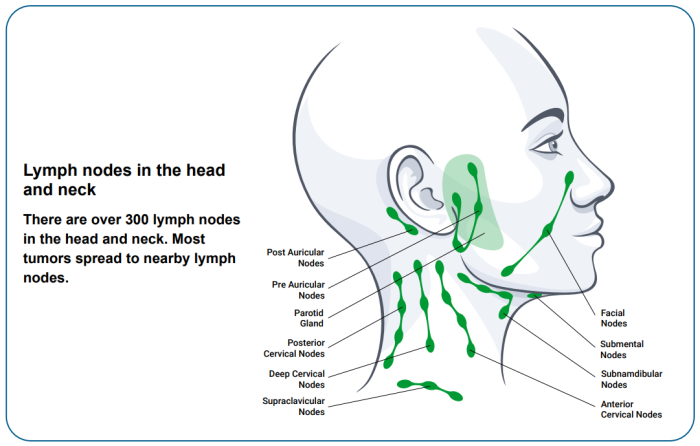
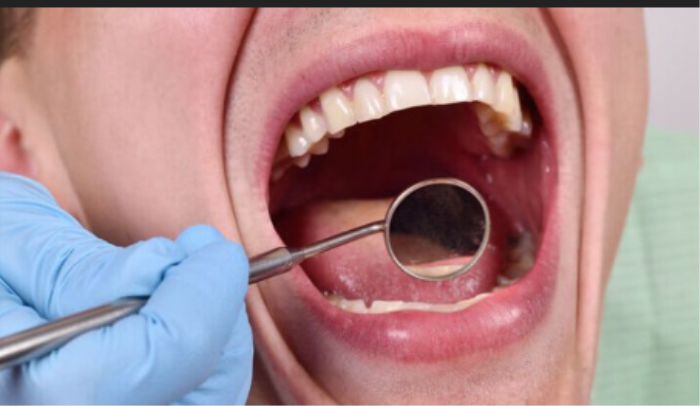
The diagnosis begins with a physical examination, followed by imaging tests like CT or MRI scans and biopsies to confirm cancer. Staging determines the extent of cancer spread, which guides the treatment plan. Early detection significantly improves outcomes.
Common Treatment Modalities Explained
Treatment options include surgery to remove the tumor, radiation therapy to target cancer cells, and chemotherapy for systemic treatment. Advanced therapies like immunotherapy and targeted therapy are used for specific cases. The choice depends on the cancer stage and patient health.
Post-Treatment Care and Monitoring
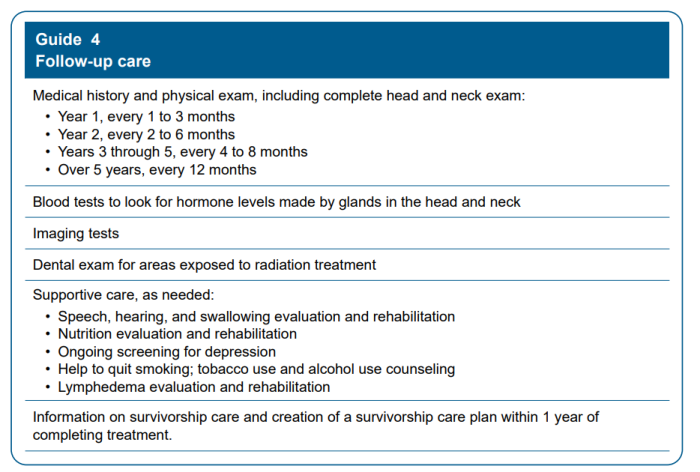
Post-treatment care involves regular follow-ups, imaging tests, and lifestyle modifications to prevent recurrence. Rehabilitation, including speech and swallowing therapy, may be required for some patients. Monitoring ensures early detection of any complications or recurrence.
Who It’s For: Eligibility & When to Choose It
Oral cancer treatment is suitable for individuals diagnosed with malignant tumors in the mouth or throat. Early-stage patients may benefit from surgery or radiation, while advanced cases often require a combination of therapies. Patients with good overall health and no significant comorbidities are ideal candidates for aggressive treatments.
Choose surgery for localized tumors, radiation for non-surgical cases, and chemotherapy for advanced stages. Discuss your options with a specialist to determine the best approach based on your condition and preferences. Learn more about Surgery for Oral Cancer.
- Localized cancer: Surgery
- Non-surgical cases: Radiation
- Advanced stages: Chemotherapy
- Precision treatment: Targeted therapy
Benefits & Risks: What to Expect From Treatment
Key Advantages of Early Treatment
Early treatment for oral cancer significantly improves outcomes by preventing the spread of cancer to nearby tissues. Patients treated in the initial stages often experience higher survival rates and better quality of life. Additionally, early intervention may reduce the need for extensive surgeries, preserving more of the oral structure and function.
Timely treatment can also minimize the risk of complications and reduce the overall recovery time. This proactive approach ensures that patients can resume their daily activities sooner and with fewer long-term health impacts.
- Higher survival rates
- Reduced need for extensive surgeries
- Faster recovery and fewer complications
Potential Risks and Side Effects
While oral cancer treatments are effective, they may come with risks such as infection, bleeding, or difficulty swallowing. Radiation therapy can lead to dry mouth, taste changes, or mouth sores, while chemotherapy may cause nausea, fatigue, and lowered immunity.
Long-term side effects may include changes in speech or appearance, depending on the extent of surgery. However, most side effects can be managed with proper aftercare and medical support. Learn more about Radiation Therapy for Oral Cancer.
- Short-term: nausea, fatigue, mouth sores
- Long-term: speech or appearance changes
- Manageable with proper aftercare
Timeline & Aftercare: First 4–12 Weeks Post-Treatment
The first 4–12 weeks after oral cancer treatment are crucial for recovery. During this period, patients may experience swelling, discomfort, or difficulty eating, which typically improve with time. Regular follow-ups with the healthcare team are essential to monitor healing and address any complications.
Patients are advised to maintain a soft diet, practice good oral hygiene, and avoid tobacco or alcohol to promote healing. Physical therapy may also be recommended to restore jaw mobility and speech function. Emotional support and counseling can help patients cope with the psychological impact of treatment.
- Regular follow-ups for progress monitoring
- Soft diet and oral hygiene practices
- Physical therapy for jaw and speech recovery
Alternatives & When They Fit Better
Non-Surgical Options for Oral Cancer
Non-surgical treatments like radiation therapy and chemotherapy are often used for patients who cannot undergo surgery due to health conditions or advanced cancer stages. These therapies aim to shrink tumors, control symptoms, and improve survival rates.
Targeted therapy and immunotherapy are newer options that focus on attacking cancer cells while sparing healthy tissues. These treatments are typically recommended for specific genetic profiles or when traditional methods are less effective. Learn more about Targeted Therapy for Oral Cancer.
- Radiation: Suitable for localized tumors
- Chemotherapy: Often combined with other treatments
- Targeted/Immunotherapy: For specific genetic cases
Complementary Therapies to Consider
Complementary therapies like nutritional counseling, yoga, and acupuncture can support overall well-being during oral cancer treatment. These approaches may help manage side effects such as fatigue, stress, and pain.
While not a replacement for medical treatment, these therapies can enhance quality of life and improve emotional resilience. Always consult your healthcare provider before starting any complementary therapy to ensure it aligns with your treatment plan.
- Nutritional counseling for better recovery
- Yoga for stress management
- Acupuncture for pain relief
How to Choose the Right Provider for Oral Cancer Treatment
Choosing the right provider is critical for successful oral cancer treatment. Look for hospitals accredited by NABH or JCI, as they adhere to international standards of care. Experienced oncologists and multidisciplinary teams can offer personalized treatment plans tailored to your condition.
Consider factors like the hospital’s success rates, availability of advanced technologies, and patient reviews. Proximity to your location and affordability are also important. Some hospitals in India specialize in comprehensive cancer care, offering services like surgery, radiation, and chemotherapy under one roof.
- Accreditation by NABH or JCI
- Experienced oncologists and multidisciplinary teams
- Advanced technologies and comprehensive care
Latest Updates & What’s Changing in Oral Cancer Treatment
Oral cancer treatment in India has seen significant advancements in recent years, with a focus on precision medicine and minimally invasive techniques. Emerging therapies like immunotherapy and proton beam therapy are offering new hope for patients by targeting cancer cells more effectively while sparing healthy tissues.

Additionally, advancements in genetic testing and biomarker analysis are enabling personalized treatment plans, improving outcomes for patients. These innovations are complemented by improved access to multidisciplinary care teams in leading hospitals across India.
- Immunotherapy: Boosts the immune system to fight cancer.
- Proton therapy: Targets tumors with high precision.
- Biomarker testing: Enables tailored treatment strategies.
Key Differences: Side-by-Side Comparison of Treatment Options
Who Is a Good Fit for Each Option?
Surgical treatment is typically recommended for patients with localized tumors that can be removed entirely. Radiation therapy is often suitable for those who cannot undergo surgery or as an adjunct to surgery. Immunotherapy and chemotherapy are generally reserved for advanced stages or recurrent cases, targeting cancer cells systemically.
Cost & Ongoing Needs for Different Treatments
The cost of oral cancer treatment varies widely. Surgery may cost ₹3,40,000–₹6,70,000 (≈ $3,500–$7,000 USD), while radiation therapy ranges from ₹2,90,000–₹7,20,000. Advanced options like proton therapy or immunotherapy can exceed ₹5,00,000. Long-term follow-ups, including imaging and rehabilitation, add to the overall expense.
Risks & Trade-offs to Consider
Surgery carries risks like infection and scarring but offers a high chance of complete tumor removal. Radiation therapy may cause side effects such as dry mouth or difficulty swallowing. Systemic treatments like chemotherapy and immunotherapy can lead to fatigue, nausea, or immune-related complications.
| Dimension |
Surgery |
Radiation Therapy |
| Candidacy |
Localized tumors |
Non-surgical candidates |
| Durability/Effectiveness |
High for early stages |
Effective for residual cancer |
| Medications |
Post-op pain management |
None typically needed |
| Recovery Time |
4–6 weeks |
Gradual over weeks |
| Risks |
Infection, scarring |
Dry mouth, fatigue |
| Cost |
₹3,40,000–₹6,70,000 |
₹2,90,000–₹7,20,000 |
Top Hospitals for Oral Cancer Treatment in India
India is home to several renowned hospitals offering comprehensive oral cancer care. Institutions like Tata Memorial Hospital (Mumbai), AIIMS (Delhi), and Apollo Hospitals (Chennai) are recognized for their expertise in oncology. These centers provide access to advanced treatments like robotic surgery, proton therapy, and multidisciplinary care teams.
Many of these hospitals are NABH-accredited, ensuring high standards of care. They also offer patient-centric services, including counseling, rehabilitation, and financial assistance programs for eligible patients.
- Tata Memorial Hospital, Mumbai
- AIIMS, Delhi
- Apollo Hospitals, Chennai
- Fortis Memorial Research Institute, Gurgaon
- Manipal Hospitals, Bangalore
Success Rates & Outcomes of Oral Cancer Treatment
Success rates for oral cancer treatment in India depend on the stage at diagnosis and the chosen treatment modality. Early-stage cancers treated with surgery or radiation therapy have a success rate of 80–90%. Advanced cases may see lower rates, but newer therapies like immunotherapy are improving outcomes.
Factors like timely diagnosis, access to multidisciplinary care, and adherence to follow-up protocols significantly impact long-term survival. Rehabilitation services, including speech and swallowing therapy, also play a crucial role in improving quality of life post-treatment.
- Early-stage success: 80–90%
- Advanced-stage success: Improving with new therapies
- Key factors: Timely diagnosis, multidisciplinary care
Common Questions About Oral Cancer Treatment
Oral cancer treatment typically involves a combination of surgery, radiation therapy, and chemotherapy, depending on the stage and location of the cancer. Early-stage cancers may be treated with surgery alone, while advanced cases often require multimodal approaches. The success rate for oral cancer treatment in India is promising, especially when diagnosed early, with survival rates improving significantly with timely intervention.
- Choose surgery for localized tumors.
- Choose radiation for post-surgical treatment or inoperable cases.
- Choose chemotherapy for advanced or metastatic cancer.
- Choose immunotherapy for specific genetic markers.
- Choose palliative care for symptom management in late stages.
Emerging Trends in Treatment & Research
Recent advancements in oral cancer treatment focus on precision medicine and targeted therapies. Immunotherapy, which boosts the body’s immune system to fight cancer cells, is showing promising results in clinical trials. Additionally, proton beam therapy is emerging as a precise radiation technique that minimizes damage to surrounding healthy tissues.
Research is also exploring the role of genetic profiling to tailor treatments based on individual tumor characteristics. This personalized approach aims to improve outcomes and reduce side effects. Ongoing studies are investigating biomarkers to predict treatment responses, which could revolutionize oral cancer care in the future.
- Immunotherapy for advanced cases.
- Proton therapy for targeted radiation.
- Genetic profiling for personalized care.
- Biomarker research for treatment prediction.
Preparing for Treatment: What to Know
Preparing for oral cancer treatment involves both physical and emotional readiness. Patients should undergo a thorough evaluation, including imaging and biopsy, to determine the cancer stage. Discussing the treatment plan with your healthcare team is crucial to understand the procedures, potential side effects, and expected outcomes.
Maintaining good oral hygiene and addressing dental issues before treatment can help minimize complications. Emotional support from family, friends, or support groups is equally important. Patients may also need to adjust their diet and lifestyle to prepare for the physical demands of treatment.
- Complete all recommended diagnostic tests.
- Address dental health before starting treatment.
- Discuss side effects and recovery plans with your doctor.
- Seek emotional support from loved ones or groups.
Lifestyle Changes During and After Treatment
Adopting healthy lifestyle changes during and after oral cancer treatment can significantly improve recovery and quality of life. A balanced diet rich in nutrients supports healing and boosts immunity. Avoiding tobacco and alcohol is essential to reduce the risk of recurrence.
Regular follow-ups with your healthcare provider are crucial to monitor progress and address any complications. Incorporating stress management techniques, such as yoga or meditation, can enhance mental well-being. Physical activity, tailored to your energy levels, also aids in recovery and overall health.
- Follow a nutrient-rich diet for healing.
- Avoid tobacco and alcohol completely.
- Attend all scheduled follow-up appointments.
- Practice stress management techniques.
- Engage in light physical activity as advised.
Frequently Asked Questions About Oral Cancer Treatment in India: Cost, Top Hospitals & Success Rate
What is the average cost of oral cancer treatment in India?
The average cost of oral cancer treatment in India ranges from ₹3,40,000 to ₹6,70,000, depending on the type and stage of cancer. Costs may vary based on the hospital, treatment methods like surgery, chemotherapy, or radiation, and the patient's overall health. India offers affordable yet high-quality care compared to many other countries.
Which hospitals in India specialize in oral cancer treatment?
Several top hospitals in India specialize in oral cancer treatment, including cancer research centers and multispecialty hospitals. These facilities are equipped with advanced technology and experienced oncologists. Major cities like Mumbai, Delhi, Chennai, and Bengaluru have renowned institutions offering comprehensive care.
What factors affect the success rate of treatment?
The success rate of oral cancer treatment depends on factors like the stage of cancer at diagnosis, the patient’s age, overall health, and the chosen treatment method. Early detection significantly improves outcomes, while advanced stages may require more intensive therapies.
How long does recovery typically take?
Recovery from oral cancer treatment typically takes a few weeks to several months, depending on the treatment type and individual response. Surgery may require longer healing, while chemotherapy and radiation can have ongoing side effects that gradually improve over time.
Are there non-surgical options available?
Yes, non-surgical options like chemotherapy, radiation therapy, and targeted therapy are available for oral cancer treatment. These methods are often used alone or in combination, especially for patients who cannot undergo surgery or for advanced stages of cancer.
What are the common side effects of treatment?
Common side effects of oral cancer treatment include fatigue, mouth sores, difficulty swallowing, dry mouth, and changes in taste. Chemotherapy and radiation may also cause nausea, hair loss, and weakened immunity. Most side effects are temporary and manageable with proper care.
How can I prepare for oral cancer treatment?
To prepare for oral cancer treatment, consult your doctor about the process, potential side effects, and recovery plan. Maintain a healthy diet, stay hydrated, and address dental issues beforehand. Emotional support from family or counseling can also help reduce stress.
What lifestyle changes are recommended post-treatment?
Post-treatment, it is essential to quit tobacco and alcohol, follow a balanced diet, and maintain good oral hygiene. Regular follow-ups with your doctor and staying physically active can aid recovery and reduce the risk of recurrence. Emotional well-being is equally important.
Learn more about Chemotherapy for Oral Cancer
Chemotherapy is a common treatment for oral cancer, often used to shrink tumors or eliminate cancer cells. It is typically combined with other therapies like surgery or radiation for better outcomes. Understanding its role can help patients make informed decisions about their treatment options.
Learn more about Chemotherapy for Oral Cancer
Immunotherapy
Immunotherapy is an advanced treatment that boosts the body’s immune system to fight oral cancer. It is particularly effective in cases where traditional treatments like chemotherapy or radiation may not work. This therapy is gaining popularity in India for its targeted approach and fewer side effects.
Immunotherapy
Learn more about Proton Therapy
Proton therapy is a cutting-edge radiation treatment for oral cancer that precisely targets tumors while sparing healthy tissues. It is especially beneficial for complex cases or cancers near critical organs. This advanced option is now available in select hospitals in India.
Learn more about Proton Therapy
Best Oral or Mouth Cancer Treatment in India
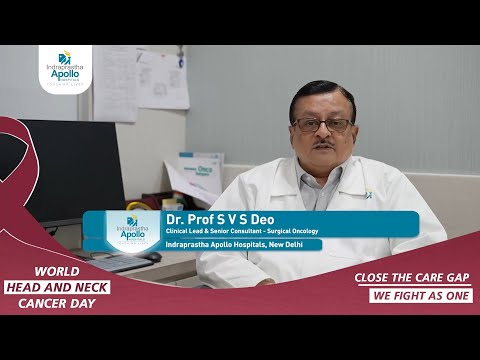
This image highlights the advanced facilities available for oral cancer treatment in India. It represents the expertise and technology offered by top hospitals, ensuring high success rates for patients seeking care.
Screenshot-2024-06-21-221753-2e8c740a-b4c2-4a49-840c-57f5d0459919
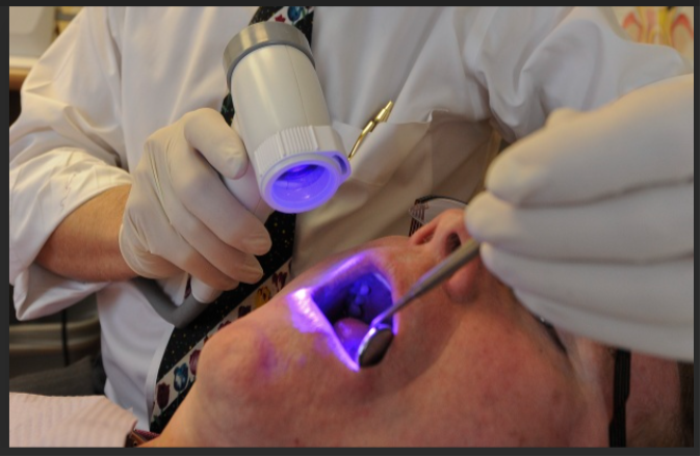
This image showcases detailed insights into oral cancer treatment options in India. It reflects the comprehensive approach taken by Indian hospitals to provide personalized care and advanced therapies for patients.
Best Oral or Mouth Cancer Treatment in India
This image emphasizes the availability of world-class oral cancer treatments in India. It symbolizes the commitment of Indian healthcare providers to deliver effective and affordable care for patients battling oral cancer.

Discover the Best Oncologists and Cancer Hospitals in India
When it comes to cancer treatment, finding the right specialist and hospital can make a significant difference in the outcome. In this blog, we have compiled a list of the top oncologists and cancer hospitals across major cities in India, ensuring that you have access to the best care available.
Top Oncologists in Major Cities
For those seeking expert oncologists, we have identified the best specialists in key cities:
Leading Cancer Hospitals
In addition to finding the right specialist, choosing the right hospital is crucial for comprehensive cancer care. Here are the top hospitals in major cities:
Get more indepth information on Cancer treatments and their costs
Conclusion
Finding the right oncologist and hospital is the first step in your cancer treatment journey. Explore the links above to learn more about the top specialists and hospitals in your area.
Planning oral cancer treatment in India?
Share your reports and our care team will come back with suitable
hospitals, indicative costs and an outline treatment plan. No cost, no obligation.
India is home to some of the best oral cancer hospitals offering world-class, affordable treatment. Oral Cancer Treatment Cost in India