Proton beam therapy is a form of external radiation that uses protons instead of X-rays. Protons release most of their energy at a set depth and then stop, so less radiation reaches the tissue beyond the tumour[c1]. In India it is offered at a small number of centres, including Apollo Proton Cancer Centre in Chennai and the Tata Memorial Centre proton facility in Navi Mumbai. This page explains where it is available, who it may help, what the evidence does and does not show, and what it costs.
Medical disclaimer: This content is for general awareness and does not replace a doctor’s consultation. For diagnosis or treatment decisions, consult a qualified specialist.
Want a free hospital opinion and cost estimate?
Send your reports on WhatsApp or online. We check with accredited hospitals whether you may qualify and what the package would cost.
Chat on WhatsAppSend reports online
How Proton Therapy Works
Conventional radiotherapy uses photons (X-rays), which pass through the body. Proton beams do not scatter radiation along their path through the body, and they stop once they reach the tumour[c1]. Doctors think this may reduce the amount of normal tissue exposed to radiation[c1]. That matters most when a tumour sits close to something that cannot tolerate radiation, such as the brain stem, the spinal cord or the eye, and in children, whose growing tissues are more vulnerable.
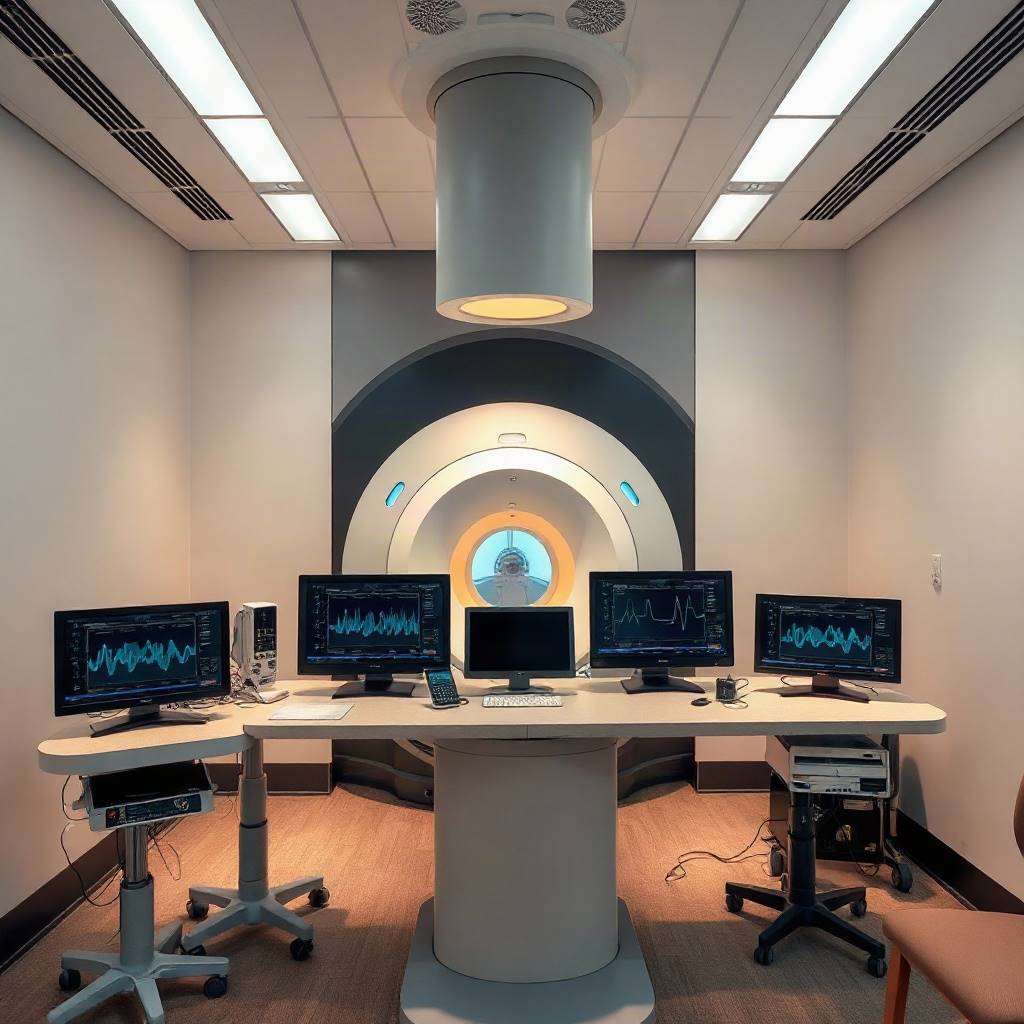
The treatment is delivered as a course of daily sessions. Planning starts with imaging (CT and MRI) to map the tumour, then the radiation team plans the dose and beam angles before the first session.
What the Evidence Shows, and What It Does Not
Be wary of claims that proton therapy is simply better. The US National Cancer Institute states that clinical trials are underway to compare proton and photon radiation[c1], and that the high cost and size of the machines limit how many centres use them[c1].

What can be said: the physics gives a sound reason to expect less dose to nearby healthy tissue, and for some tumours near critical structures, and for many childhood cancers, that is a strong enough reason that proton therapy is often preferred. For most other cancers, modern photon radiotherapy remains a well-proven alternative that is cheaper and far more widely available. A good radiation oncologist will tell you which group your case falls into, and will say so if the answer is that you do not need protons.
Who May Benefit
Proton therapy is considered mainly for localised tumours that can be treated with radiation and that lie close to critical structures. The Tata Memorial Centre proton facility reports treating mostly central nervous system tumours, bone tumours, head and neck cancers, and cancers in children, as well as gynaecological, breast, prostate and gastrointestinal cancers[c2]. Around half of the patients treated there were children[c2].
It is not suitable for every cancer. Tumours that have spread widely are generally treated with drugs rather than a single radiation field, and eligibility depends on the tumour's size, location and your overall health. A radiation oncologist at a proton centre decides this after reviewing your scans and pathology.
Proton Centres in India
- Apollo Proton Cancer Centre, Chennai. Opened on 25 January 2019 as a 150-bed integrated cancer hospital, with multi-room proton therapy using pencil-beam scanning[c3].
- Tata Memorial Centre proton therapy facility, Kharghar, Navi Mumbai (ACTREC). The National Hadron Beam Therapy Facility was dedicated to the nation on 11 May 2023 and started treating patients on 15 August 2023. It treated its 1,000th patient in June 2026. More than 60% of patients were treated at subsidised rates and nearly 30% free of cost through patient welfare funds and CSR support[c2]. The report we relied on does not say whether it treats international patients, so ask the centre.
We have not been able to confirm proton therapy at other Indian hospitals, so we do not list any. If another hospital offers you "proton therapy", ask which machine it uses and how many patients it has treated.
Proton Therapy Cost in India
Our reference range for an all-inclusive package for an international patient is ₹21,00,000–₹67,00,000 (about $21,500–$70,000). It is driven mainly by the number of treatment sessions (fractions). Apollo Proton Cancer Centre's published international (non-SAARC) packages run from about $21,500 for 1–5 fractions to $69,900 for 25–33 fractions. For patients from SAARC countries they are about $12,000–$49,900.
About these prices: all-inclusive package estimates for international patients at accredited private hospitals, compiled in September 2026 from published hospital and facilitator price lists (about ₹96 per US dollar). Indian residents are usually quoted lower domestic tariffs; your final cost is confirmed after a specialist reviews your reports.
For what raises or lowers a quote, hidden extras and package inclusions, see our proton beam therapy cost guide.
What Treatment Involves
- Sessions: at the Tata Memorial facility, most patients needed about 40 sessions of 20–40 minutes each, and hospital admission was typically not required[c2]. The number depends on the cancer, so a short course at the lower end of the Apollo packages is also possible.
- Where you stay: because most courses are outpatient, you will need accommodation near the centre for the length of treatment, typically several weeks.
- Side effects: they depend on the area treated. Skin irritation at the treatment site and tiredness are common with radiation, and your team will tell you what to expect for your tumour.
- Follow-up: regular scans and check-ups after the course, which can usually be arranged with a doctor at home.
Planning Treatment from Abroad
The practical hurdles are availability and the visa. Slots at proton centres are limited, and the centre needs your imaging and pathology before it will agree to treat you. A medical visa needs a hospital letter and allows two attendants: see our guide to the e-Medical visa for cancer treatment in India.
Is proton therapy right for your case?
Send us your scans and pathology report. We will ask the proton centres whether they would treat you, how many sessions they would plan, and what the package would cost, and we will say plainly if conventional radiotherapy would serve you as well.
Get a free consultation
Frequently Asked Questions About Proton Beam Therapy
Which hospitals offer proton therapy in India?
Apollo Proton Cancer Centre in Chennai, which opened in January 2019[c3], and the Tata Memorial Centre facility at Kharghar, Navi Mumbai, which began treating patients in August 2023[c2].
How much does proton therapy cost in India?
For international patients our reference range is ₹21–67 lakh (about $21,500–$70,000), depending mainly on the number of sessions. Apollo's published packages start at about $21,500 for 1–5 fractions.
Is proton therapy better than conventional radiation?
It delivers less radiation to tissue beyond the tumour, but the NCI notes that trials comparing the two are still underway[c1]. For tumours next to critical structures and for many childhood cancers it is often preferred; for many other cancers, conventional radiotherapy works well.
How many sessions will I need?
It depends on the cancer. Most patients at the Tata Memorial facility needed about 40 sessions of 20–40 minutes[c2]; some packages cover as few as 1–5 fractions.
Do I need to be admitted to hospital?
Typically not. Hospital admission was usually not required at the Tata Memorial facility[c2], so plan for accommodation near the centre.
Does insurance pay for proton therapy?
Cover varies by insurer and policy. Ask your insurer for written pre-authorisation, quoting the centre and the number of fractions.
Can proton therapy be combined with chemotherapy or surgery?
Yes, where your oncology team recommends it. Radiation is often given together with, or after, other treatment.
About This Guide
ArogyaJivan is a medical travel information and enquiry service. We are not a hospital and we do not give treatment. Decisions about whether you can have treatment, and what treatment you need, are made by the doctors at the treating hospital. This page is general information, not medical advice, and it does not replace advice from your own doctor. Prices are estimates and are confirmed by the hospital after it reviews your reports.
Discover the Best Oncologists and Cancer Hospitals in India
When it comes to cancer treatment, finding the right specialist and hospital can make a significant difference in the outcome. In this blog, we have compiled a list of the top oncologists and cancer hospitals across major cities in India, ensuring that you have access to the best care available.
Top Oncologists in Major Cities
For those seeking expert oncologists, we have identified the best specialists in key cities:
Leading Cancer Hospitals
In addition to finding the right specialist, choosing the right hospital is crucial for comprehensive cancer care. Here are the top hospitals in major cities:
Get more indepth information on Cancer treatments and their costs
Conclusion
Finding the right oncologist and hospital is the first step in your cancer treatment journey. Explore the links above to learn more about the top specialists and hospitals in your area.
Planning Proton Beam Therapy in India?
Share your reports and our care team will come back with suitable
hospitals, indicative costs and an outline treatment plan. No cost, no obligation.
Proton beam therapy cost in India, the cancers it treats, and why this precision radiotherapy costs more than conventional treatment. Proton Beam Therapy Cost in India