Neurology in India: Advanced Treatments and Expert Care
Neurology care focuses on disorders of the brain, spine, and nerves—ranging from seizures and tumors to vascular problems like aneurysms.
On this page, you’ll find a clear overview of what neurology treatment typically involves, how doctors reach a diagnosis, what recovery can look like,
and how to plan treatment in India with fewer surprises.
If you want the complete procedure list, explore our Neurology treatments section.
If you’re planning a budget (or comparing options), see the neurology cost guide.

Neurology Conditions We Help With
Neurology covers conditions that affect the nervous system—your brain, spinal cord, and nerves.
Some cases are managed with medicines and rehabilitation, while others need procedures or surgery.
The right plan depends on symptoms, clinical exam findings, imaging (MRI/CT/angiography), and functional tests (EEG/EMG) when needed.
Common condition groups
- Brain: brain tumors, seizures/epilepsy, hydrocephalus, stroke-related issues, head injury complications
- Vascular: aneurysms, AVMs, vessel narrowing, bleed risk assessment and repair planning
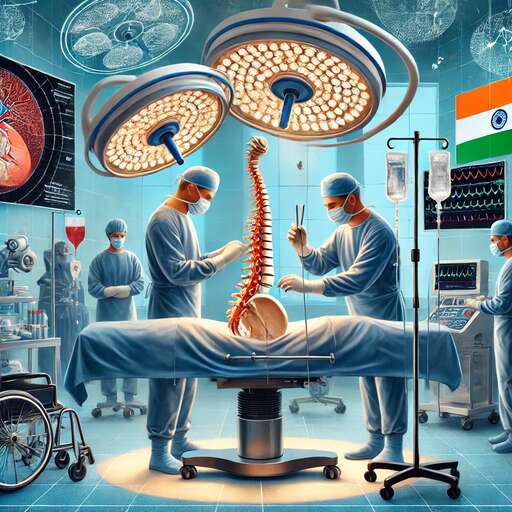
- Spine & spinal cord: compression, trauma, tumors, degenerative problems, weakness/numbness from nerve pressure
- Nerve pain & compression: trigeminal neuralgia, facial pain syndromes, nerve entrapment and injury
- Movement disorders: Parkinson’s disease and tremor (where procedures like DBS may be considered)
Not sure what bucket your condition fits into? A good starting point is to review the procedure options under
Neurology treatments and then open the most relevant treatment page.

Symptoms That Often Lead Patients to Neurology
Neurology symptoms can be sudden (like severe headache or weakness) or gradual (like tremor or repeated numbness).
The key is pattern + progression: what started first, how fast it changes, and whether it affects speech, vision, balance, or strength.
Common symptoms patients report
- Persistent headaches, especially with vomiting or vision changes
- Seizures, blackouts, fainting episodes, confusion spells
- Weakness, numbness, tingling, one-sided symptoms
- Balance issues, dizziness, frequent falls
- Tremor, stiffness, slow movement, walking difficulty
- Severe facial pain (often electric-shock like)
- Neck/back pain with limb weakness or bladder/bowel changes
Seek urgent medical attention if you notice
- Sudden facial droop, arm weakness, speech difficulty
- “Worst headache of life,” sudden severe headache, or headache with neck stiffness
- New seizure, repeated seizures, or seizure with injury
- Rapidly worsening weakness, loss of consciousness, or confusion
How Diagnosis Usually Works
Most neurology evaluations start with a careful history and neurological examination.
From there, tests are chosen to answer a specific question (for example: “Is there a structural problem?” or “Is nerve function affected?”).
Not every patient needs every test.
Common tests in neurology care
- MRI / CT: looks for tumors, bleeding, stroke changes, and spinal compression
- Angiography (CTA/MRA/DSA): evaluates aneurysms and vascular malformations
- EEG: helps assess seizures and epilepsy patterns
- EMG/NCS: checks nerve and muscle function, often used for neuropathy/nerve compression
- Pre-op fitness tests: blood work, heart/lung evaluation depending on age and health status
If you already have reports, you can usually start with a specialist opinion first—then confirm what additional imaging or tests are truly necessary.
Neurology Treatment Options: From Medicines to Surgery
Neurology treatment is not “surgery first.” Many conditions improve with medicines, targeted injections, physiotherapy, and neuro-rehabilitation.
Surgery or a procedure is typically considered when symptoms are severe, the condition is progressing, or non-surgical treatments are not effective.
Typical care pathway
- Stabilize symptoms: pain control, seizure control, mobility support
- Confirm diagnosis: imaging and functional testing as needed
- Choose the least invasive effective option: medicines → procedures → surgery, depending on the case
- Rehab and follow-up: physiotherapy, speech/swallow therapy, occupational therapy, and repeat imaging when advised
For procedure-focused details, start at Neurology treatments and open the exact treatment page.
For budgeting and inclusions, see the neurology cost guide.
Popular Neurology Treatments in India
India offers a wide range of neurology and neurosurgery procedures with modern imaging, ICU support, and multidisciplinary teams.
Below are commonly searched procedures—use these if you want to jump directly into detailed pages.
Brain, vascular, and functional procedures
Want the full list in one place? Go to Neurology treatments.
Advanced Techniques and Technology Used
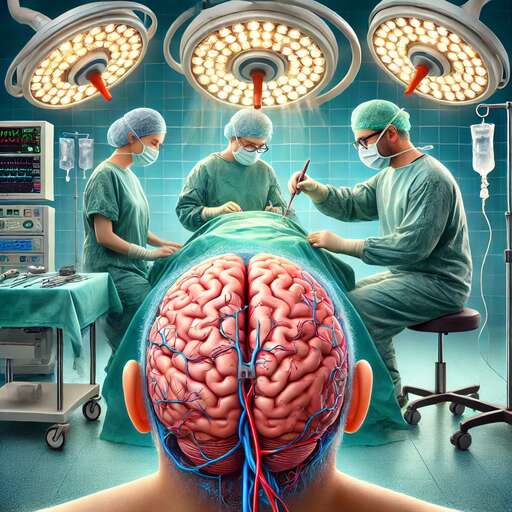
Many neurology centers use technology that improves surgical precision and helps reduce complications where possible.
The exact tools used depend on the procedure and the hospital, but the goal is consistent: safer access, better visualization, and careful protection of nerves and blood vessels.
What “advanced” often includes
- Image-guided navigation: helps plan and target difficult areas accurately
- High-resolution microscopes & endoscopes: improves visibility during fine work
- Intraoperative neuromonitoring: helps protect critical nerve pathways
- Minimally invasive and endovascular approaches: smaller incisions or catheter-based repairs when appropriate
- Specialized neuro-ICU support: close monitoring after complex procedures
For movement disorders like Parkinson’s, DBS may be considered after specialist evaluation and imaging-based planning.

Recovery, Rehabilitation, and Follow-Up
Recovery depends on the condition, the procedure type, and your baseline health.
Some treatments need short hospital stays, while others need ICU monitoring and rehabilitation before returning to normal routines.
A good plan usually includes: pain control, mobility training, and a clear follow-up schedule.
What recovery planning usually covers
- Hospital stay and monitoring: ICU/step-down care if required for complex cases
- Rehab support: physiotherapy, occupational therapy, and speech/swallow therapy when needed
- Home care instructions: wound care, medicines, activity limits, and warning signs
- Follow-up: review visits, repeat imaging/tests when advised, medication adjustments
If you’re planning travel, recovery planning matters as much as the surgery itself—so it’s smart to confirm follow-up timing before you book return tickets.
Risks, Safety, and What to Ask Your Specialist
Every neurology procedure—whether minimally invasive or open surgery—has risks.
Your specialist should explain the expected benefits, realistic alternatives, and the specific risks that apply to your diagnosis and health profile.
Useful questions for your consultation
- What is the exact diagnosis, and how confident are we based on current reports?
- Is surgery necessary now, or can we start with non-surgical treatment?
- What approach is planned (open, endoscopic, endovascular), and why?
- What does recovery look like (hospital stay, rehab needs, restrictions)?
- What complications should we watch for, and how are they handled?
How to Choose the Right Hospital or Team
The “best” center is the one that fits your condition and offers the right combination of expertise, infrastructure, and follow-up support.
For complex neurology cases, the team approach matters: neurosurgery + neurology + imaging + anesthesia + ICU + rehab.
A simple checklist
- Experience with your exact condition and procedure type
- Access to advanced imaging and neuromonitoring (when needed)
- Dedicated neuro-ICU and emergency support
- Rehab services (physio/speech/occupational therapy)
- Clear estimates and inclusions explained upfront
Cost, Hospitals, and How to Get Started
Costs can vary based on diagnosis complexity, the surgical approach, ICU stay, implants/devices (if any), and hospital category.
For a realistic estimate and what’s typically included, see our neurology cost guide.
For international patients: a smoother start
A practical workflow is: share reports → specialist opinion → treatment plan + estimate → travel planning and admission.
To reduce back-and-forth, keep your MRI/CT films (or DICOM link), recent lab reports, a medication list, and a short symptom timeline ready.


FAQs
Can I get a second opinion before traveling?
Yes—sharing your reports for a specialist review is a common first step. It helps confirm the diagnosis, suggested approach, and estimated stay duration.
How long do I need to stay in India for treatment?
It depends on the procedure and recovery needs. Many patients plan extra buffer time for follow-ups, stitch removal (if required), and early rehab.
Do all neurology conditions need surgery?
No. Many conditions are treated with medicines and rehabilitation. Surgery is considered when it offers a clear benefit or when non-surgical options aren’t enough.
What should I bring for evaluation?
Key items: imaging (MRI/CT) in original format if possible, a medication list, previous discharge summaries, and a simple timeline of symptoms.
Medical Disclaimer
This page is for general awareness and does not replace a doctor’s consultation. For diagnosis and treatment decisions, please consult a qualified specialist.