Radiation therapy is a widely used and effective treatment for various types of cancer in India. It uses high-energy radiation to target and destroy cancer cells while minimizing damage to surrounding healthy tissues. Each session usually takes 15–30 minutes, and the full course of treatment may range from 1 to 7 weeks, depending on the type and stage of cancer. With advanced technology and skilled oncologists, India is a trusted destination for affordable and high-quality cancer care.
Medical disclaimer: This content is for general awareness and does not replace a doctor’s consultation. For diagnosis or treatment decisions, consult a qualified specialist.
At a Glance: Key Takeaways About Radiation Therapy
Radiation therapy is a widely used cancer treatment that targets cancer cells with high-energy radiation, aiming to shrink tumors or eliminate them. It is a non-invasive procedure and can be combined with other treatments like chemotherapy or surgery for better outcomes.
- Choose radiation therapy when surgery is not viable or tumors are localized.
- Combine with chemotherapy for advanced-stage cancers.
- Opt for external beam therapy for precise targeting.
- Consider internal radiation for specific cancers like cervical or prostate.
- Discuss side effects and recovery with your oncologist.
How It Works: Steps and Process of Radiation Therapy
What Happens During a Radiation Therapy Session?
During a session, you will lie on a treatment table while a machine delivers radiation to the targeted area. The process is painless, and the machine does not touch your body. The radiation oncologist ensures precise targeting to minimize damage to healthy tissues.
How Long Does Each Session Take?
Each session typically lasts 15–30 minutes, including setup time. The actual radiation delivery takes only a few minutes. Sessions are usually scheduled 5 days a week over several weeks, depending on the treatment plan.
What Are the Preparation Steps Before Treatment?
Preparation involves imaging tests like CT or MRI scans to map the tumor's location. A simulation session may be conducted to plan the exact positioning. You may also receive skin markings or a custom mold to ensure consistent alignment during treatment.
Costs & Factors: Typical Ranges for Radiation Therapy in India
The cost of radiation therapy in India varies based on the type of therapy, hospital, and technology used. On average, it ranges from ₹2,90,000–₹7,20,000 (≈ $3,000–$7,500 USD). Advanced techniques like IMRT or proton therapy may cost more.
About these prices: all-inclusive package estimates for international patients at accredited private hospitals, compiled in September 2026 from published hospital and facilitator price lists (about ₹96 per US dollar). Indian residents are usually quoted lower domestic tariffs; your final cost is confirmed after a specialist reviews your reports.
Factors influencing the cost include the number of sessions, type of cancer, and whether additional treatments like chemotherapy are required. Government hospitals may offer lower-cost options, while private facilities provide advanced technology and shorter wait times.
- External beam therapy: ₹2,90,000–₹7,20,000
- Internal radiation (brachytherapy): ₹2,00,000–₹3,00,000
- Proton therapy: ₹21,00,000–₹67,00,000
Benefits & Risks: What to Expect from Radiation Therapy
What Are the Key Benefits of Radiation Therapy?
Radiation therapy can effectively shrink tumors and kill cancer cells, improving survival rates. It is often used to relieve symptoms like pain or bleeding in advanced cancers. The precision of modern techniques minimizes damage to surrounding healthy tissues.
What Are the Common Side Effects?
Common side effects include fatigue, skin irritation, and localized hair loss. Depending on the treatment area, you may experience nausea, difficulty swallowing, or changes in bowel habits. Most side effects are temporary and manageable with supportive care.
How Are Risks Managed During Treatment?
Risks are managed through advanced imaging and planning to ensure accurate targeting. Regular monitoring by the oncology team helps address side effects promptly. Protective measures, such as shielding healthy tissues, are also employed to reduce complications.
Who It’s For: Eligibility & When to Choose Radiation Therapy
Radiation therapy is typically recommended for patients with localized cancers or as part of a combined treatment plan. It may be used to shrink tumors before surgery or to eliminate remaining cancer cells afterward. This therapy is also suitable for individuals who cannot undergo surgery due to health conditions or age-related risks.
Patients with cancers such as breast, prostate, lung, or cervical cancer often benefit from radiation therapy. However, eligibility depends on factors like cancer type, stage, and overall health. Consulting an oncologist is crucial to determine if this treatment is the right fit for your condition.
- Choose radiation therapy for localized cancer management.
- Opt for it when surgery is not viable.
- Consider it as part of a multi-modal treatment plan.
Timeline & Aftercare: First 4–12 Weeks After Radiation Therapy
What to Expect in the First Few Weeks?
In the initial weeks after radiation therapy, patients may experience fatigue, skin irritation, or localized swelling. These effects are typically mild and improve with time. Some individuals may notice changes in appetite or mild discomfort in the treated area, depending on the cancer type and location.
 Regular follow-ups with your oncologist are essential during this period to monitor progress and address any concerns. Staying hydrated and maintaining a balanced diet can help manage early side effects effectively.
How to Manage Recovery and Side Effects?
Managing recovery involves adhering to your doctor’s advice, including using prescribed creams for skin care and avoiding harsh soaps. Fatigue can be managed by balancing rest with light physical activity, such as walking. If side effects like nausea or pain persist, medications may be recommended.
Supportive therapies, such as counseling or physiotherapy, can also aid recovery. Inform your healthcare team about any unusual symptoms to ensure timely intervention. Recovery is gradual, and most patients resume normal activities within a few weeks.
- Use gentle skincare products to soothe irritation.
- Stay active but avoid overexertion.
- Report persistent side effects to your doctor.
Alternatives & When They Fit Better Than Radiation Therapy
Alternatives to radiation therapy include surgery, chemotherapy, and immunotherapy, depending on the cancer type and stage. Surgery may be preferred for cancers that can be completely removed, while chemotherapy is often used for systemic cancers or when radiation is not effective.
Immunotherapy, which boosts the body’s immune system to fight cancer, is another option for certain cancers. These alternatives may be better suited for patients with advanced-stage cancers, those who cannot tolerate radiation, or when the cancer is resistant to radiation therapy.
Each option has its benefits and limitations, and the choice depends on individual factors like overall health, cancer progression, and treatment goals. Discussing these with your oncologist ensures an informed decision.
- Choose surgery for complete tumor removal.
- Opt for chemotherapy for widespread cancer.
- Consider immunotherapy for immune-based cancer control.
Key Differences: Side-by-Side Comparison
Who Is a Good Fit for Radiation Therapy?
Radiation therapy is ideal for patients with localized cancers or those requiring targeted treatment to preserve surrounding healthy tissues. It is also suitable for individuals who cannot undergo surgery due to medical risks or age-related concerns.
Cost & Ongoing Needs Compared
The cost of radiation therapy in India typically ranges from ₹2,90,000–₹7,20,000 (≈ $3,000–$7,500 USD), depending on the type of radiation and facility. While the initial cost may seem high, it often requires fewer follow-up treatments compared to chemotherapy, which involves multiple cycles.
Risks & Trade-offs to Consider
Radiation therapy carries risks such as skin irritation, fatigue, and localized side effects depending on the treatment area. However, it avoids systemic side effects like those seen with chemotherapy. Long-term risks, such as secondary cancers, are rare but possible.
| Dimension |
Radiation Therapy |
Chemotherapy |
| Candidacy |
Localized cancers |
Systemic or advanced cancers |
| Durability/Effectiveness |
Highly effective for targeted areas |
Effective for widespread cancer |
| Medications/Anticoagulation |
Not required |
Multiple drug cycles needed |
| Recovery Time |
4–12 weeks |
Varies by cycle |
| Risks/Re-operation |
Skin irritation, rare long-term risks |
Systemic side effects |
| Cost |
₹2,90,000–₹7,20,000 |
₹2,50,000–₹5,00,000 |
Latest Updates & What’s Changing in Radiation Therapy
Radiation therapy has seen significant advancements, including the adoption of precision-based techniques like proton therapy and stereotactic radiosurgery. These methods aim to target tumors more accurately while minimizing damage to surrounding healthy tissues.

Additionally, the integration of AI and imaging technologies has improved treatment planning, allowing for better customization based on individual patient needs. These innovations are making radiation therapy safer and more effective for a wider range of cancers.
- Proton therapy for reduced side effects
- AI-driven treatment planning
- Enhanced imaging for tumor targeting
How to Choose the Right Provider for Radiation Therapy
What to Look for in a Radiation Therapy Center?
When selecting a radiation therapy center, prioritize facilities with advanced equipment like linear accelerators and access to specialized techniques such as IMRT or brachytherapy. Accreditation by organizations like NABH or JCI ensures adherence to high-quality standards.
Consider centers with a multidisciplinary team, including oncologists, radiologists, and physicists, to provide comprehensive care. Patient reviews and success rates can also offer valuable insights into the center’s reputation.
How to Evaluate Expertise and Technology?
Evaluate the expertise of the medical team by reviewing their qualifications, years of experience, and specialization in cancer treatment. Centers with cutting-edge technology, such as image-guided radiation therapy (IGRT), can offer more precise and effective treatments.
Additionally, inquire about the availability of supportive care services, such as counseling and nutrition guidance, which are crucial for holistic cancer management.
Preparing for Radiation Therapy: What You Need to Know
Preparation for radiation therapy typically begins with a consultation where your oncologist explains the treatment plan. A simulation session may follow, involving imaging scans like CT or MRI to map the treatment area accurately.
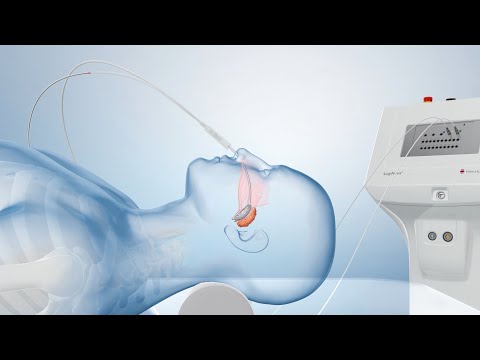
Patients are advised to maintain a healthy diet and stay hydrated to support their body during treatment. It’s also essential to discuss any medications or pre-existing conditions with your doctor to avoid complications.
- Attend a simulation session for treatment mapping
- Follow dietary and hydration recommendations
- Inform your doctor about ongoing medications
Managing Side Effects During Radiation Therapy
Common side effects of radiation therapy include fatigue, skin irritation, and localized pain. To manage these, patients can use prescribed creams for skin care and follow a balanced diet to maintain energy levels.
It’s important to communicate any severe or persistent symptoms to your healthcare team. They may adjust the treatment plan or provide medications to alleviate discomfort, ensuring a smoother therapy experience.
- Use doctor-recommended skin care products
- Maintain a nutrient-rich diet
- Report severe symptoms promptly
Radiation Therapy for Specific Cancers: Tailored Approaches
Radiation therapy is often customized based on the type and stage of cancer. For instance, in breast cancer, external beam radiation targets the affected area post-surgery, while prostate cancer may involve brachytherapy, where radioactive seeds are implanted. Tailored approaches ensure that the therapy maximizes cancer cell destruction while minimizing harm to healthy tissues.

- Breast cancer: External beam radiation post-surgery
- Prostate cancer: Brachytherapy for localized treatment
- Head and neck cancers: Intensity-modulated radiation therapy (IMRT)
The Role of Technology in Radiation Therapy Advancements
Technological advancements have revolutionized radiation therapy, making it more precise and effective. Techniques like IMRT and stereotactic body radiation therapy (SBRT) allow for targeted delivery, reducing damage to surrounding tissues. Image-guided radiation therapy (IGRT) further enhances accuracy by using imaging during treatment sessions.
- IMRT: High precision for complex tumors
- SBRT: Effective for small, localized cancers
- IGRT: Real-time imaging for accuracy
Combining Radiation Therapy with Other Cancer Treatments
Radiation therapy is often combined with other treatments like chemotherapy or surgery to improve outcomes. For example, chemotherapy may be used to shrink tumors before radiation, or radiation may follow surgery to eliminate residual cancer cells. This multimodal approach enhances effectiveness and reduces recurrence risks.
- Pre-surgery: Radiation to shrink tumors
- Post-surgery: Radiation to target remaining cells
- With chemotherapy: Synergistic effect for aggressive cancers
Long-Term Outcomes and Survival Rates After Radiation Therapy
Radiation therapy has significantly improved survival rates for many cancers, especially when detected early. For instance, localized prostate cancer treated with radiation shows a 5-year survival rate exceeding 95%. Long-term outcomes depend on factors like cancer type, stage, and overall health, but advancements in technology have reduced side effects and improved quality of life.
- Prostate cancer: 5-year survival over 95% for localized cases
- Breast cancer: High survival with early detection
- Improved quality of life with modern techniques
Radiation Therapy in India: What to Expect as a Patient
Radiation therapy is a common treatment for cancer in India, using high-energy rays to target and destroy cancer cells. It is typically performed in specialized hospitals and involves advanced equipment. Patients may experience side effects like fatigue or skin irritation, but these are usually manageable. The treatment is planned carefully to minimize harm to healthy tissues and ensure the best possible outcomes.
Discover the Best Oncologists and Cancer Hospitals in India
When it comes to cancer treatment, finding the right specialist and hospital can make a significant difference in the outcome. In this blog, we have compiled a list of the top oncologists and cancer hospitals across major cities in India, ensuring that you have access to the best care available.
Top Oncologists in Major Cities
For those seeking expert oncologists, we have identified the best specialists in key cities:
Leading Cancer Hospitals
In addition to finding the right specialist, choosing the right hospital is crucial for comprehensive cancer care. Here are the top hospitals in major cities:
Get more indepth information on Cancer treatments and their costs
Conclusion
Finding the right oncologist and hospital is the first step in your cancer treatment journey. Explore the links above to learn more about the top specialists and hospitals in your area.
Planning Radiation Therapy in India?
Share your reports and our care team will come back with suitable
hospitals, indicative costs and an outline treatment plan. No cost, no obligation.
Discover comprehensive insights into radiation therapy for cancer treatment in India. Radiation Therapy Cost in India