Hyperthermia therapy in India is a cost-effective treatment for cancer, with prices typically ranging between ₹2,00,000 and ₹5,00,000. The cost depends on factors such as hospital facilities, the type of cancer being treated, and the number of sessions required. This advanced therapy uses heat to enhance the effectiveness of traditional cancer treatments like chemotherapy and radiation. India offers high-quality care with experienced specialists, making it a preferred choice for patients seeking effective and affordable cancer treatment options.
Medical disclaimer: This content is for general awareness and does not replace a doctor’s consultation. For diagnosis or treatment decisions, consult a qualified specialist.
At a Glance: Key Takeaways About Hyperthermia Therapy Cost
Hyperthermia therapy in India is a cost-effective treatment for cancer patients, with prices significantly lower than in many Western countries. The cost typically depends on factors like the type of therapy, hospital location, and additional care required.
- Choose this therapy for localized cancer treatment.
- Consider urban hospitals for advanced equipment.
- Expect additional costs for imaging and follow-ups.
- Discuss insurance coverage with your provider.
- Plan for ₹1,80,000–₹3,60,000 (≈ $2,150–$4,350 USD).
Costs & Factors: Typical Ranges in India
What Influences the Cost of Hyperthermia Therapy?
The cost of hyperthermia therapy depends on factors like the type of cancer being treated, the duration of therapy, and the hospital’s location. Advanced facilities in metro cities may charge more due to better equipment and expertise. Additionally, the use of imaging techniques and the need for specialized oncologists can increase the overall cost.
Average Price Range Across Major Cities
In India, the cost of hyperthermia therapy ranges from ₹1,80,000 to ₹3,60,000 (≈ $2,150–$4,350 USD). Cities like Mumbai, Delhi, and Bengaluru may charge on the higher end, while smaller cities like Jaipur or Pune offer more affordable options. Patients should also consider travel and accommodation expenses if seeking treatment outside their hometown.
Additional Expenses to Consider
Beyond the base cost, patients may incur additional expenses such as diagnostic imaging (₹10,000–₹30,000), follow-up consultations, and medications. Hospital stays, if required, can also add ₹5,000–₹15,000 per day. It’s essential to discuss these potential costs with your healthcare provider to avoid surprises.
How It Works: Steps & Workflow of Hyperthermia Therapy
Hyperthermia therapy involves using heat to target cancer cells, often in combination with radiation or chemotherapy. The process begins with diagnostic imaging to identify the treatment area. During the procedure, specialized equipment delivers controlled heat to the affected tissues, raising their temperature to 40–45°C. This weakens cancer cells, making them more susceptible to other treatments.
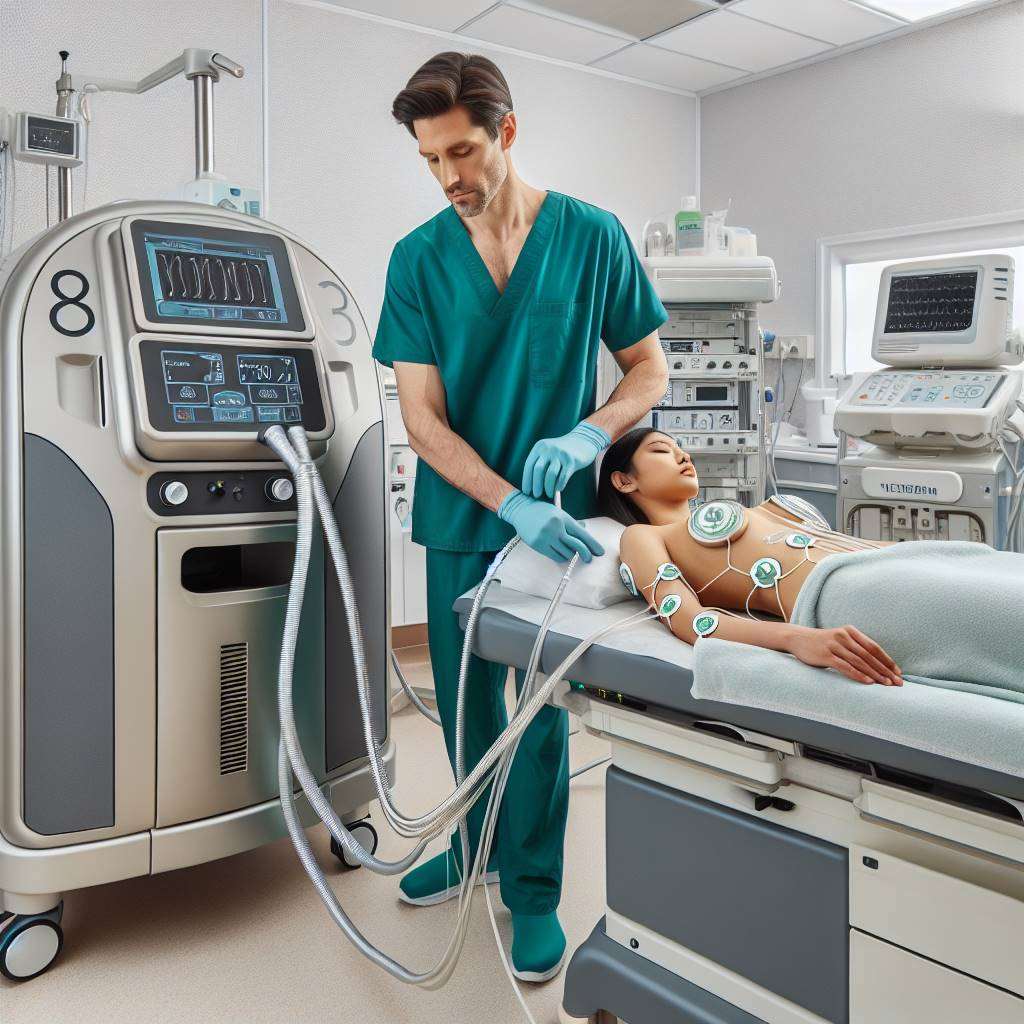
The therapy is typically performed on an outpatient basis, with each session lasting 1–2 hours. Patients may require multiple sessions depending on the cancer type and stage. Post-treatment, doctors monitor the patient’s response to ensure effectiveness and adjust the plan if necessary.
- Step 1: Diagnostic imaging to map the area.
- Step 2: Heat application using specialized equipment.
- Step 3: Monitoring and follow-up care.
Benefits & Risks: What to Expect
Key Benefits of Hyperthermia Therapy
Hyperthermia therapy enhances the effectiveness of radiation and chemotherapy by sensitizing cancer cells to these treatments. It is a non-invasive option that targets specific areas, minimizing damage to healthy tissues. Additionally, it may improve blood flow to tumors, increasing oxygenation and treatment efficacy. Patients often experience fewer side effects compared to conventional therapies.
Potential Risks and Side Effects
While generally safe, hyperthermia therapy can cause temporary side effects like skin redness, swelling, or discomfort in the treated area. Rarely, overheating may lead to burns or tissue damage. Patients with certain medical conditions, such as pacemakers, should consult their doctor to assess suitability. Close monitoring during sessions helps mitigate these risks.
- Common: Skin irritation or swelling.
- Rare: Burns or tissue damage.
- Not suitable for patients with certain implants.
Who It’s For: Eligibility & When to Choose It
Hyperthermia therapy is typically recommended for patients with localized tumors that are resistant to conventional treatments like chemotherapy or radiation. It works by applying heat to cancer cells, making them more susceptible to other therapies. This option is often chosen when standard treatments alone are insufficient or when patients cannot tolerate aggressive interventions.
Ideal candidates include those with specific cancers such as soft tissue sarcomas or recurrent breast cancer. However, it may not be suitable for individuals with widespread metastases or certain medical conditions that make heat application risky. Always consult your oncologist to determine if this therapy aligns with your treatment goals.
- Choose this if tumors are localized and resistant to other treatments.
- Avoid if you have widespread metastases or heat sensitivity issues.
Timeline & Aftercare: First 4–12 Weeks
What to Expect During the First Few Weeks
In the initial weeks after hyperthermia therapy, patients may experience mild redness or swelling at the treatment site. Fatigue is also common, as the body adjusts to the combined effects of heat and other therapies. Regular follow-ups are crucial during this period to monitor progress and manage any side effects effectively.

Long-Term Recovery and Follow-Up
Long-term recovery involves periodic imaging and blood tests to assess the therapy's effectiveness. Patients may need additional sessions depending on their response. Maintaining a healthy lifestyle, including proper nutrition and moderate exercise, can support recovery. Side effects like fatigue usually subside within a few months.
- Attend all scheduled follow-ups.
- Report any unusual symptoms promptly.
- Adopt a balanced diet for better recovery.
Alternatives & When They Fit Better
For patients who cannot undergo hyperthermia therapy, alternative treatments like targeted therapy, immunotherapy, or advanced radiation techniques may be considered. These options are less invasive and can be tailored to specific cancer types. For example, targeted therapy focuses on molecular changes in cancer cells, while immunotherapy boosts the immune system to fight cancer.
These alternatives are often suitable for individuals with widespread cancer or those who cannot tolerate heat-based treatments. However, they may come with their own set of side effects, such as immune-related reactions or fatigue. Discuss with your oncologist to weigh the benefits and risks of each option.
- Targeted therapy: Best for specific genetic mutations.
- Immunotherapy: Ideal for boosting immune response.
- Advanced radiation: Suitable for localized tumors.
Key Differences: Side-by-Side Comparison
Who Is a Good Fit?
Hyperthermia therapy is ideal for patients with localized, treatment-resistant tumors, while alternatives like immunotherapy suit those with systemic or advanced-stage cancers. The choice depends on tumor type, location, and overall health.
Cost & Ongoing Needs
Hyperthermia therapy costs in India range from ₹1,80,000–₹3,60,000 (≈ $2,150–$4,350 USD), depending on the number of sessions. Alternatives like immunotherapy may cost significantly more, often exceeding ₹5,00,000 per cycle. Long-term costs also vary based on follow-up care and additional treatments.
Risks & Trade-Offs
While hyperthermia therapy has minimal side effects like localized redness, alternatives may involve higher risks, such as immune-related complications or severe fatigue. Each option has trade-offs, and the decision should align with your treatment goals and tolerance for side effects.
| Dimension |
Hyperthermia Therapy |
Alternatives |
| Candidacy |
Localized, resistant tumors |
Systemic or advanced cancers |
| Durability/Effectiveness |
Enhances other therapies |
Varies by type |
| Medications/Anticoagulation |
Not typically required |
May involve immune drugs |
| Recovery Time |
4–12 weeks |
Depends on treatment |
| Risks/Re-operation |
Minimal, localized effects |
Higher, systemic risks |
| Cost |
₹1,80,000–₹3,60,000 |
₹5,00,000+ |
Latest Updates & What’s Changing
Hyperthermia therapy is increasingly being integrated with advanced cancer treatments, such as immunotherapy and radiation, to enhance outcomes. Recent studies suggest that localized hyperthermia can improve tumor sensitivity to other therapies, potentially reducing treatment cycles.

- Combination therapies are gaining traction globally.
- India is adopting cost-effective hyperthermia devices.
- Research focuses on minimizing side effects.
- AI-driven temperature monitoring is improving precision.
- Clinical trials are expanding for rare cancers.
How to Choose the Right Provider for Hyperthermia Therapy
Choosing the right provider for hyperthermia therapy involves evaluating their expertise, technology, and patient care standards. Look for hospitals with experienced oncologists and access to advanced hyperthermia equipment for precise treatment delivery.
Additionally, consider facilities that offer multidisciplinary care, combining hyperthermia with other cancer treatments like chemotherapy or radiation. Patient reviews and success rates can also provide valuable insights into the quality of care.
- Ensure the provider has certified oncologists.
- Check for modern hyperthermia devices.
- Look for hospitals with integrated cancer care.
- Review patient testimonials and case studies.
- Verify post-treatment support services.
Top 5 Factors Affecting Costs of Hyperthermia Therapy
The cost of hyperthermia therapy in India depends on several factors, including the type of cancer being treated and the number of sessions required. Advanced cancers may need more sessions, increasing overall expenses.
Other factors include the hospital’s location, the technology used, and whether the therapy is combined with other treatments. For instance, metropolitan hospitals with cutting-edge equipment may charge higher fees compared to smaller centers.
- Type and stage of cancer.
- Number of therapy sessions needed.
- Hospital location and reputation.
- Technology and equipment used.
- Combination with other treatments.
Trends, Research & Advances in Hyperthermia Therapy
Recent advancements in hyperthermia therapy focus on improving precision and reducing side effects. AI-based systems are now being used to monitor and control treatment temperatures, ensuring better outcomes.
Additionally, research is exploring the use of nanoparticles to deliver heat directly to tumors, minimizing damage to surrounding tissues. These innovations are making hyperthermia therapy more effective and accessible for patients worldwide.
- AI-driven temperature control enhances precision.
- Nanoparticle-based therapies are under development.
- Focus on reducing side effects and recovery time.
- Integration with immunotherapy shows promising results.
- Global trials are expanding treatment applications.
Frequently Asked Questions About Hyperthermia Therapy Cost in India
What is the average cost of hyperthermia therapy in India?
The average cost of hyperthermia therapy in India ranges between ₹1,50,000 and ₹3,00,000 per session. The exact price depends on factors like the hospital, location, and the specific condition being treated. This therapy is often used alongside other cancer treatments, which may influence the overall expense.
Does insurance cover hyperthermia therapy in India?
Insurance coverage for hyperthermia therapy in India depends on your policy and provider. Some health insurance plans may cover it if it is part of a cancer treatment plan. It is advisable to check with your insurer to confirm the extent of coverage and any exclusions.
Are there any hidden costs associated with the therapy?
Hidden costs for hyperthermia therapy may include diagnostic tests, consultation fees, and post-treatment care. It is important to ask for a detailed cost breakdown from your healthcare provider to avoid unexpected expenses.
How do costs vary across different cities in India?
Costs for hyperthermia therapy can vary significantly across cities in India. Major metropolitan areas like Mumbai and Delhi may charge higher due to advanced facilities, while smaller cities may offer more affordable options. Travel and accommodation expenses should also be considered.
What factors influence the pricing of hyperthermia therapy?
The pricing of hyperthermia therapy is influenced by factors such as the hospital's reputation, the equipment used, the patient's condition, and the number of sessions required. Additional treatments or tests may also impact the total cost.
Are there affordable alternatives to hyperthermia therapy?
Affordable alternatives to hyperthermia therapy depend on the medical condition being treated. Options like chemotherapy, radiation, or targeted therapies may be considered, but their suitability varies. Consult your doctor to explore the best treatment plan for your needs.
How can I find the best provider for this therapy?
To find the best provider for hyperthermia therapy, research hospitals with advanced oncology departments and experienced specialists. Seek recommendations from your doctor and read patient reviews to ensure quality care and transparent pricing.
What are the long-term costs of follow-up care?
Long-term costs of follow-up care after hyperthermia therapy may include regular check-ups, imaging tests, and medications. These costs vary based on the patient’s recovery and any additional treatments required. Discuss follow-up plans with your doctor to estimate expenses.
Discover the Best Oncologists and Cancer Hospitals in India
When it comes to cancer treatment, finding the right specialist and hospital can make a significant difference in the outcome. In this blog, we have compiled a list of the top oncologists and cancer hospitals across major cities in India, ensuring that you have access to the best care available.
Top Oncologists in Major Cities
For those seeking expert oncologists, we have identified the best specialists in key cities:
Leading Cancer Hospitals
In addition to finding the right specialist, choosing the right hospital is crucial for comprehensive cancer care. Here are the top hospitals in major cities:
Get more indepth information on Cancer treatments and their costs
Conclusion
Finding the right oncologist and hospital is the first step in your cancer treatment journey. Explore the links above to learn more about the top specialists and hospitals in your area.
Explore Hyperthermia Therapy in India, including how it works, top hospitals offering the treatment, and the associated costs for cancer therapy. Hyperthermia Therapy in India: Top Hospitals and Treatment Costs