Slip disc treatment in India typically costs ~₹3.4–5.8 lakh (≈ $3,500–6,000 USD), depending on city tier and hospital type. This covers common procedures like microdiscectomy or conservative therapies. Recovery time varies from a few weeks to several months, with most patients resuming daily activities within 4–8 weeks. Success rates are high for appropriately selected cases.
Medical disclaimer: This content is for general awareness and does not replace a doctor’s consultation. For diagnosis or treatment decisions, consult a qualified specialist.
About these prices: all-inclusive package estimates for international patients at accredited private hospitals, compiled in September 2026 from published hospital and facilitator price lists (about ₹96 per US dollar). Indian residents are usually quoted lower domestic tariffs; your final cost is confirmed after a specialist reviews your reports.
At a Glance: Key Takeaways for Slip Disc Treatment in India
Slip disc care in India typically involves a combination of non-surgical and surgical options tailored to the patient’s symptoms and severity. Most people improve with physiotherapy, medication, and rest, while surgery is reserved for severe or persistent cases. Costs and recovery times can vary, but outcomes are generally positive when treatment is started early.
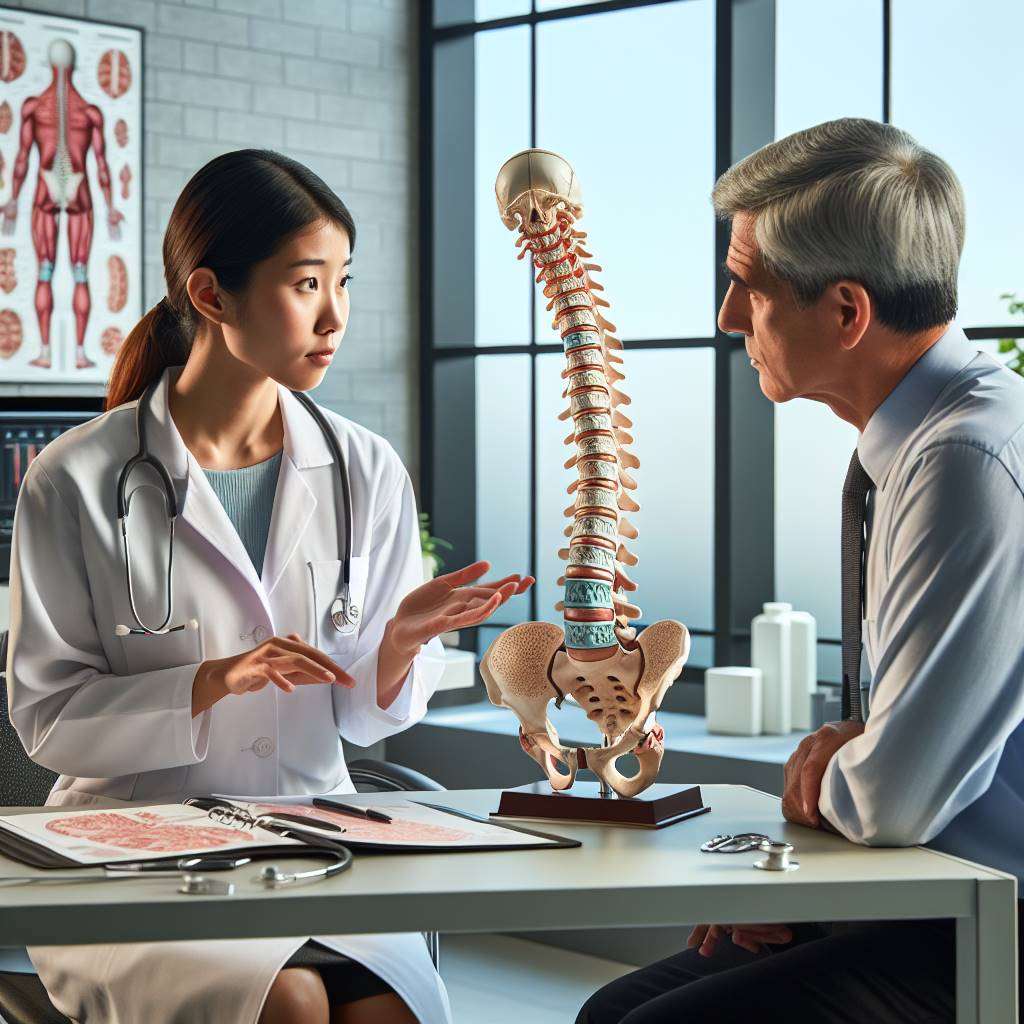
- Choose conservative therapy when pain is mild or moderate.
- Choose surgery when nerve compression causes weakness or severe pain.
- Opt for MRI if symptoms persist beyond 4–6 weeks.
- Seek urgent care for loss of bladder/bowel control.
- Discuss costs and recovery with your healthcare provider.
Slip Disc Treatment in India: Cost, Procedure, Recovery and Success Rate Cost
The cost of slip disc treatment in India depends on the type of therapy chosen. Non-surgical management, including physiotherapy and medications, usually ranges from ₹20,000–₹60,000 (≈ $250–$750 USD) for a full course. Surgical options, such as microdiscectomy or endoscopic discectomy, typically cost between ₹3,40,000–₹5,80,000 (≈ $3,500–$6,000 USD) in private hospitals. Government hospitals may offer lower fees, but waiting times can be longer.
Recovery after surgery may take 2–6 weeks for most patients, with many able to resume light activities within a month. Most patients treated surgically for a slipped disc get good relief of leg pain. Back pain and numbness respond less predictably, and results are better when surgery is done for clear nerve compression rather than for back pain alone. However, outcomes depend on age, overall health, and how soon treatment begins.
| Hospital Type |
Non-Surgical (INR) |
Surgical (INR) |
| Private (e.g., Apollo Hospitals) |
₹40,000–₹60,000 |
₹3,40,000–₹5,80,000 |
| Government (e.g., AIIMS) |
₹20,000–₹40,000 |
Lower |
Explore a detailed breakdown of slip disc treatment cost in India by visiting our in-depth guide slip disc treatment cost in India.
Common Symptoms and Functional Impact of Slip Disc
Typical pain patterns and neurological symptoms in slip disc
Slip disc often causes sudden or gradual back pain, which may radiate down the leg (sciatica). The pain can be sharp, burning, or aching, and is sometimes worse with movement, coughing, or sitting. Some people experience numbness, tingling, or weakness in the leg or foot, depending on which nerve is compressed by the herniated disc[c2]. In severe cases, reflexes may be reduced.
- Back pain worsened by bending or lifting
- Leg pain following a nerve path
- Numbness or tingling in lower limbs
- Muscle weakness in affected area
How slip disc affects daily activities and mobility
People with a slipped disc may find it difficult to walk, stand, or sit for long periods. Everyday tasks like climbing stairs, lifting objects, or even getting out of bed can become challenging. Reduced mobility and persistent pain may lead to missed work or social activities, affecting quality of life. Early intervention can help restore function and independence.
- Difficulty bending or twisting the back
- Problems with balance and coordination
- Reduced ability to perform household chores
Warning signs that require urgent medical attention
Seek immediate medical care if you experience sudden loss of bladder or bowel control, severe leg weakness, or numbness in the groin area. These symptoms may indicate cauda equina syndrome, a rare but serious complication of slip disc that requires emergency treatment. Delaying care can lead to permanent nerve damage.
- Loss of sensation in inner thighs or genitals
- Inability to urinate or pass stools
- Rapidly worsening leg weakness
Diagnosis and Assessment for Slip Disc Treatment in India
Physical examination and clinical evaluation steps
Doctors begin with a detailed medical history and physical examination to identify signs of nerve compression. They may check for tenderness, muscle strength, reflexes, and sensation in the legs. Special tests, such as the straight leg raise, can help pinpoint nerve involvement. These steps guide further investigations and help rule out other causes of back pain[c2].
- Assess pain location and severity
- Test muscle strength and reflexes
- Check for sensory changes in legs
Role of MRI and other imaging tests in confirming slip disc
MRI is the preferred imaging test for diagnosing a slipped disc, as it provides clear images of soft tissues, nerves, and spinal discs. MRI helps confirm the level and severity of disc herniation, guiding treatment decisions. In some cases, CT scans or X-rays may be used to assess bone structures or rule out other conditions.
- MRI shows disc bulge and nerve compression
- CT scan used if MRI is not possible
- X-ray helps exclude fractures or tumors
Eligibility and Candidacy for Slip Disc Procedures in India
Most people with a slipped disc are first advised to try non-surgical treatments. Surgery is usually considered only if symptoms are severe, persistent, or if there is nerve compression causing weakness or loss of bladder or bowel control. Ideal candidates for surgical intervention are those who have not responded to conservative therapies after several weeks or months, or who experience progressive neurological deficits.
Factors such as age, overall health, the location and severity of the disc herniation, and the presence of other spinal conditions may influence eligibility. Doctors typically recommend a thorough clinical evaluation and imaging studies like MRI to determine the best course of action for each patient[c4].
- Non-surgical care is first-line for most patients
- Surgery considered for severe or worsening symptoms
- Imaging and clinical assessment guide decision-making
Non-Surgical Treatment Options for Slip Disc in India
Medications and pain management approaches
Pain relief for a slipped disc often starts with oral medications such as nonsteroidal anti-inflammatory drugs (NSAIDs), muscle relaxants, or short-term prescription painkillers. In some cases, doctors may recommend nerve pain medications or corticosteroid injections to reduce inflammation and discomfort. These treatments aim to control symptoms while the body heals naturally, and are usually combined with rest and activity modification[c5].
Physiotherapy, exercise, and lifestyle modifications
Physiotherapy is a cornerstone of non-surgical management for slipped discs. A trained physiotherapist designs a personalised exercise plan to strengthen back and core muscles, improve flexibility, and reduce pressure on the affected nerve. Lifestyle changes, such as maintaining a healthy weight, using proper lifting techniques, and avoiding prolonged sitting, can also help prevent recurrence and support recovery.

When to consider non-surgical versus surgical treatment
Non-surgical care is usually recommended as the first step for most patients with a slipped disc. Surgery may be considered if pain persists beyond 6–12 weeks despite conservative measures, or if there is significant weakness, numbness, or loss of bladder/bowel control. The decision depends on symptom severity, response to treatment, and individual health factors[c4].
- Choose non-surgical care for mild to moderate symptoms
- Opt for surgery if severe nerve symptoms develop
- Discuss options with your spine specialist
Surgical Treatment Options for Slip Disc in India
Minimally invasive spine surgery techniques
Minimally invasive spine surgery uses small incisions and specialised instruments to remove or repair the herniated disc. Techniques such as microdiscectomy or endoscopic discectomy can reduce tissue damage, lower infection risk, and speed up recovery. Most patients can expect a shorter hospital stay and less post-operative pain compared to traditional open surgery[c6].
These procedures are suitable for select patients with well-localised disc herniations and no major spinal instability. However, not all cases are appropriate for minimally invasive methods, and a spine surgeon will determine the best approach based on imaging and clinical findings.
Open surgery and traditional procedures explained
Open spine surgery, such as standard discectomy or laminectomy, involves a larger incision to access the affected area. This approach may be necessary for complex or recurrent disc problems, or when there is spinal instability. While recovery can take longer, open surgery remains effective for relieving nerve compression and restoring function in suitable patients.
Risks include infection, bleeding, and nerve injury, though these are relatively uncommon when performed by experienced surgeons. Rehabilitation and physiotherapy are important for regaining strength and mobility after any spine surgery[c5].
- Minimally invasive: smaller cuts, quicker recovery
- Open surgery: needed for complex cases
- Rehabilitation is key after any procedure
How to Choose the Right Hospital or Specialist for Slip Disc Treatment
Choosing the right hospital or specialist is crucial for optimal outcomes. Look for spine surgeons or neurologists with extensive experience in treating disc problems. Hospitals accredited by the National Accreditation Board for Hospitals & Healthcare Providers (NABH) often follow strict quality and safety standards. For example, institutions like Apollo Hospitals and Fortis Healthcare in major cities offer advanced spine care facilities.
Consider factors such as the availability of modern imaging, minimally invasive surgical options, and a multidisciplinary team including physiotherapists. Reading patient reviews and seeking second opinions can also help you make an informed decision. Always verify the credentials of your chosen specialist and the hospital’s track record in spine procedures.
| Factor |
Why It Matters |
What to Check |
| Accreditation |
Ensures quality & safety |
NABH or JCI status |
| Specialist Experience |
Improves outcomes |
Years in spine surgery |
| Facilities |
Access to advanced care |
MRI, minimally invasive tools |
| Rehabilitation |
Supports recovery |
On-site physiotherapy |
| Patient Feedback |
Insight into care quality |
Verified reviews |
Pre-Operative Evaluation and Preparation for Slip Disc Surgery
Before undergoing surgery for a slipped disc, a thorough pre-operative evaluation is essential. This typically includes a detailed medical history, physical examination, and imaging tests such as MRI or CT scans to confirm the diagnosis and pinpoint the affected disc. Blood tests and cardiac evaluation may also be performed to assess overall fitness for anesthesia and surgery.
Patients are usually advised to stop certain medications, such as blood thinners, several days before the procedure. Smoking cessation and control of chronic conditions like diabetes or hypertension can help reduce surgical risks. The surgical team will provide instructions regarding fasting, hospital admission, and what to expect on the day of surgery. Proper preparation can significantly lower the risk of complications and improve recovery outcomes.
- Medical history and imaging review
- Blood and heart function tests
- Medication adjustments
- Pre-surgery fasting instructions
- Patient education on procedure
Anaesthesia and Intraoperative Safety Considerations in Slip Disc Surgery
Slip disc surgeries are most often performed under general anesthesia, ensuring the patient remains unconscious and pain-free throughout the procedure. The anesthesiologist will assess the patient’s health status and tailor the anesthesia plan accordingly. Continuous monitoring of vital signs such as heart rate, blood pressure, and oxygen levels is maintained to ensure safety during the operation.
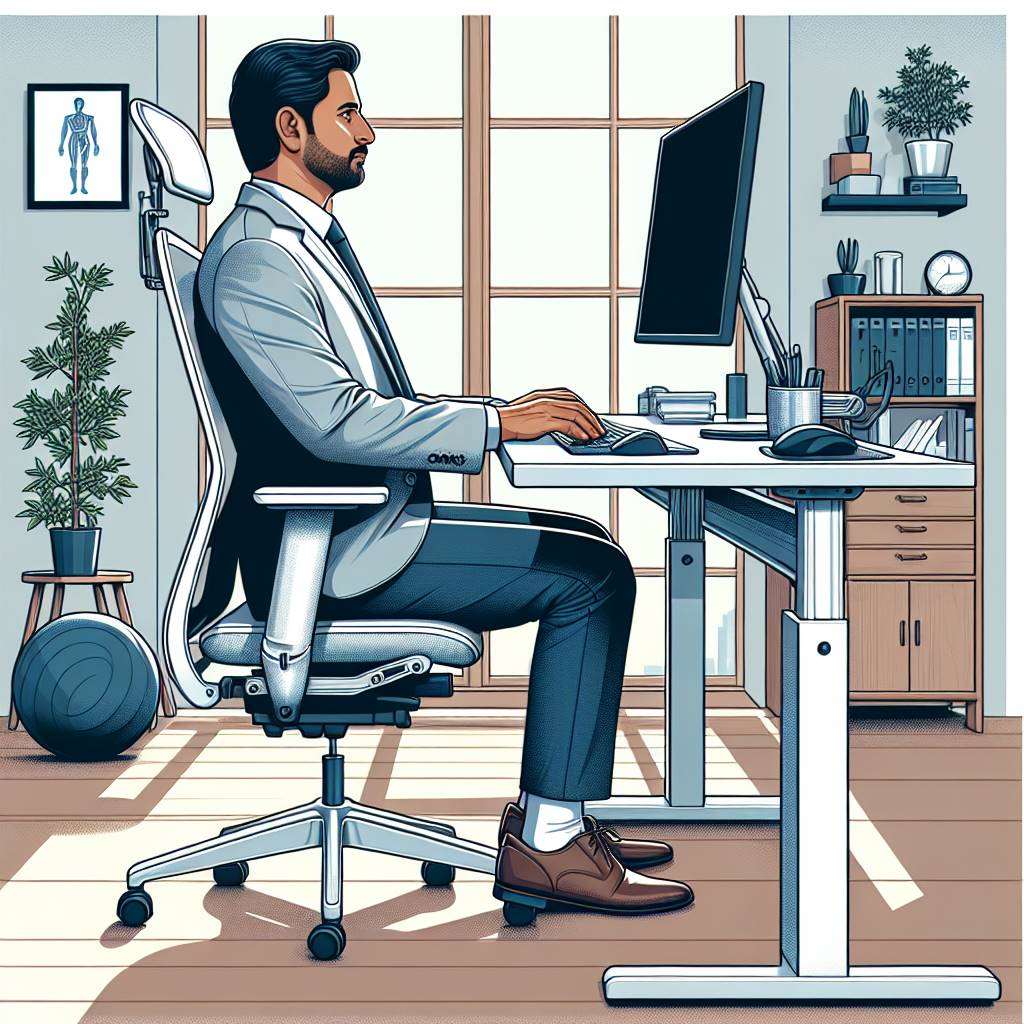
Intraoperative safety measures include sterile techniques to prevent infection, careful positioning to avoid nerve injury, and the use of advanced imaging to guide the surgeon. The surgical team is trained to manage potential complications like bleeding or allergic reactions promptly. These precautions help minimize risks and support a smooth surgical experience for the patient.
- General anesthesia with continuous monitoring
- Sterile surgical environment
- Advanced imaging guidance
- Immediate response to complications
Risks and Potential Complications of Slip Disc Treatment
Short-term risks after slip disc procedures
Short-term risks following slip disc surgery can include infection at the surgical site, bleeding, and nerve irritation. Some patients may experience temporary numbness, weakness, or pain in the back or legs. Rarely, more serious complications such as deep vein thrombosis or adverse reactions to anesthesia may occur[c8]. Early identification and prompt management of these issues are crucial for a safe recovery.
Most complications are mild and resolve with appropriate care, such as antibiotics for infections or medications for pain control. The surgical team will monitor patients closely in the immediate post-operative period to detect and address any problems quickly, reducing the likelihood of lasting effects.
Long-term complications and how they are managed
Long-term complications after slip disc treatment may include persistent pain, recurrence of disc herniation, or spinal instability. In rare cases, scar tissue formation can lead to nerve compression, causing ongoing symptoms. Some patients may require additional interventions such as physical therapy, medications, or even revision surgery if symptoms persist[c9].
Regular follow-up with the treating doctor is important to monitor recovery and address any late-onset issues. Rehabilitation programs and lifestyle modifications can help improve long-term outcomes and reduce the risk of recurrence. Most patients experience significant improvement, but a small percentage may have ongoing symptoms that require further management.
| Complication |
Short-term |
Long-term |
| Infection |
Possible, usually mild |
Rare, may need further care |
| Nerve injury |
Temporary numbness/weakness |
Persistent symptoms uncommon |
| Bleeding |
May occur, managed promptly |
Rarely leads to chronic issues |
| Recurrence |
Uncommon immediately |
Possible, may need re-surgery |
| Scar tissue |
Not typical |
Can cause nerve pain |
| Spinal instability |
Rare |
May require further treatment |
Post-Operative Care and Immediate Recovery After Slip Disc Surgery
After slip disc surgery, patients are closely monitored in the hospital for the first 24–48 hours. Pain management, wound care, and early mobilization are key aspects of immediate recovery. Most individuals can sit and walk with assistance within a day, depending on the surgical approach and overall health[c10].
Physiotherapy is usually started soon after surgery to restore movement and strength. Patients receive instructions on how to protect their back, avoid heavy lifting, and recognize warning signs of complications. Discharge from the hospital typically occurs within 2–5 days, with follow-up appointments scheduled to monitor healing and progress.
- Early mobilization with physiotherapy
- Pain and wound management
- Hospital stay: 2–5 days
- Gradual return to daily activities
Rehabilitation and Long-Term Recovery After Slip Disc Treatment
Physiotherapy protocols and exercise regimens
Rehabilitation after slip disc treatment usually begins with a structured physiotherapy plan. Early stages focus on gentle movements and core strengthening exercises to support the spine and reduce the risk of recurrence. A physiotherapist will tailor the program to each patient’s needs, gradually increasing intensity as pain and inflammation subside. Consistency with prescribed exercises is essential for optimal recovery and long-term spinal health[c11].
As recovery progresses, patients are encouraged to incorporate flexibility and aerobic exercises. Activities such as walking, swimming, and yoga can improve mobility and overall fitness. It is important to avoid heavy lifting or high-impact sports until cleared by a healthcare provider. Regular follow-ups help monitor progress and adjust the regimen as needed for sustained improvement.
Return to work, sports, and daily activities
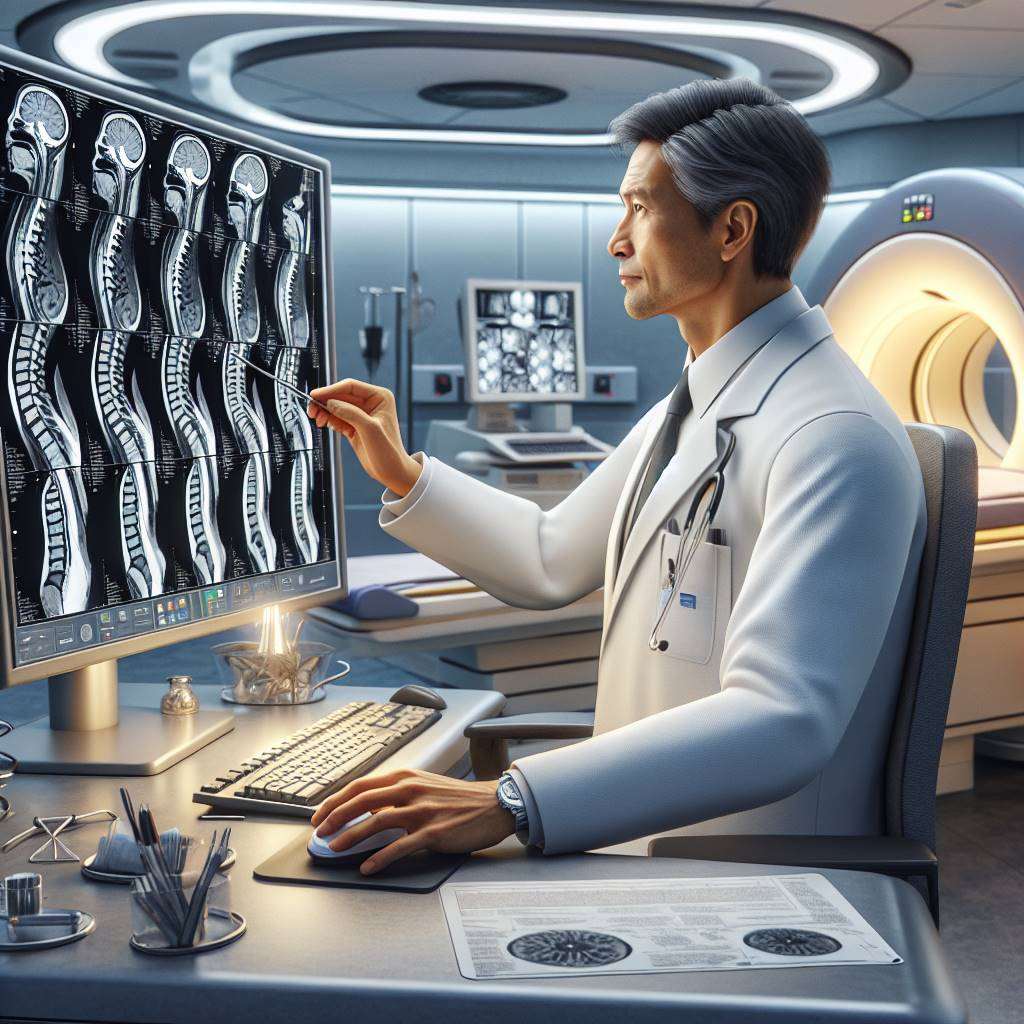
Most individuals can resume light work and daily activities within a few weeks after slip disc treatment, depending on the severity of their condition and the type of intervention received. Desk-based jobs may be restarted sooner, while physically demanding roles may require a longer recovery period. Gradual reintegration into activities is recommended to prevent setbacks or reinjury.
Returning to sports or strenuous activities should be done under medical supervision. Patients are advised to listen to their bodies and avoid any movements that trigger pain. Adopting ergonomic practices and maintaining a healthy weight can further support long-term recovery and reduce the risk of future disc problems.
- Start with light activities and progress slowly
- Follow physiotherapist’s guidance for exercise
- Use proper posture at work and home
- Consult your doctor before resuming sports
Expected Outcomes and Success Rates of Slip Disc Treatment in India
Most people with a slipped disc improve without surgery, using medication and physiotherapy. Surgery is considered when there is clear nerve compression causing weakness or persistent leg pain. Where it is done for that reason, leg pain usually settles well; back pain and numbness improve less predictably.
Outcomes can vary based on age, overall health, and how quickly treatment begins. Early intervention and adherence to rehabilitation protocols typically lead to better results. However, some patients may continue to experience mild discomfort or require ongoing therapy to maintain spinal health.
- Pain relief is achieved in most cases
- Mobility improves with consistent rehabilitation
- Recurrence is less likely with lifestyle changes
Factors Affecting Slip Disc Treatment Success in Indian Patients
The success of treatment for a slipped disc depends on several factors, including the patient’s age, the severity and location of the disc herniation, and the presence of other health conditions such as diabetes or obesity. Early diagnosis and prompt initiation of therapy can greatly improve the chances of a positive outcome. Patient adherence to prescribed physiotherapy and lifestyle modifications is also crucial for long-term success[c11].
Socioeconomic factors, access to specialized care, and awareness about back health can influence recovery in Indian patients. Those who follow medical advice, avoid heavy lifting, and maintain a healthy weight are more likely to achieve lasting relief and prevent recurrence.
| Factor |
Impact on Success |
| Age |
Younger patients recover faster |
| Severity of Disc Injury |
Mild cases respond better to treatment |
| Comorbidities |
Conditions like diabetes may slow recovery |
| Adherence to Rehab |
Improves long-term outcomes |
| Access to Care |
Specialist input enhances results |
Pain Management and Quality of Life Improvement After Slip Disc Treatment
Effective pain management is a key goal following treatment for a slipped disc. Most patients notice a marked reduction in pain and discomfort with a combination of medications, physiotherapy, and lifestyle adjustments. Non-steroidal anti-inflammatory drugs, muscle relaxants, and nerve pain medications may be prescribed as needed.
Quality of life typically improves as pain decreases and mobility returns. Patients are encouraged to stay active, practice good posture, and manage stress to support ongoing recovery. Psychological support or counseling may be beneficial for those experiencing anxiety or depression related to chronic pain.
- Use medications as prescribed for pain relief
- Continue recommended exercises regularly
- Seek support for emotional well-being
Prevention of Slip Disc Recurrence and Future Care Strategies
Preventing a slip disc from recurring involves a combination of lifestyle changes, regular exercise, and proper posture. After initial recovery, patients are advised to maintain a healthy weight and engage in low-impact physical activities such as walking, swimming, or yoga. These activities can help strengthen the back and core muscles, reducing the risk of future disc problems. Consistent adherence to physiotherapy exercises is crucial for long-term spinal health.
It is also important to avoid heavy lifting and sudden twisting movements, which can strain the spine. Ergonomic adjustments at work and home, such as using supportive chairs and proper lifting techniques, may further reduce the risk of recurrence. Regular follow-up with a healthcare provider can help monitor spinal health and address any early warning signs promptly.
- Maintain healthy weight
- Practice daily back-strengthening exercises
- Use ergonomic furniture
- Avoid heavy lifting and twisting
- Schedule regular check-ups
Alternatives to Surgery for Slip Disc in India
Non-surgical treatments are often the first line of management for a slipped disc in India. These may include physiotherapy, pain-relieving medications, and lifestyle modifications. Physiotherapy focuses on exercises that improve flexibility and strengthen the muscles supporting the spine. Medications such as non-steroidal anti-inflammatory drugs (NSAIDs) and muscle relaxants can help manage pain and inflammation. In some cases, epidural steroid injections may be recommended to reduce nerve irritation and provide temporary relief[c4].
Alternative therapies like acupuncture and chiropractic care are also sought by some patients, though their effectiveness varies. These options are generally suitable for individuals with mild to moderate symptoms who do not have significant nerve compression or weakness. Surgery is usually considered only when conservative measures fail or if there are severe neurological deficits.
- Choose non-surgical care for mild symptoms
- Opt for injections if pain persists
- Consider surgery for severe nerve issues
- Discuss options with your doctor
Latest Advances and Trends in Slip Disc Treatment in India
Recent years have seen significant progress in minimally invasive techniques for treating slipped discs. Procedures such as microdiscectomy and endoscopic discectomy use small incisions and specialized instruments, resulting in less tissue damage and faster recovery compared to traditional surgery. Laser-assisted discectomy is another emerging option, offering targeted removal of disc material with minimal disruption to surrounding structures[c16].
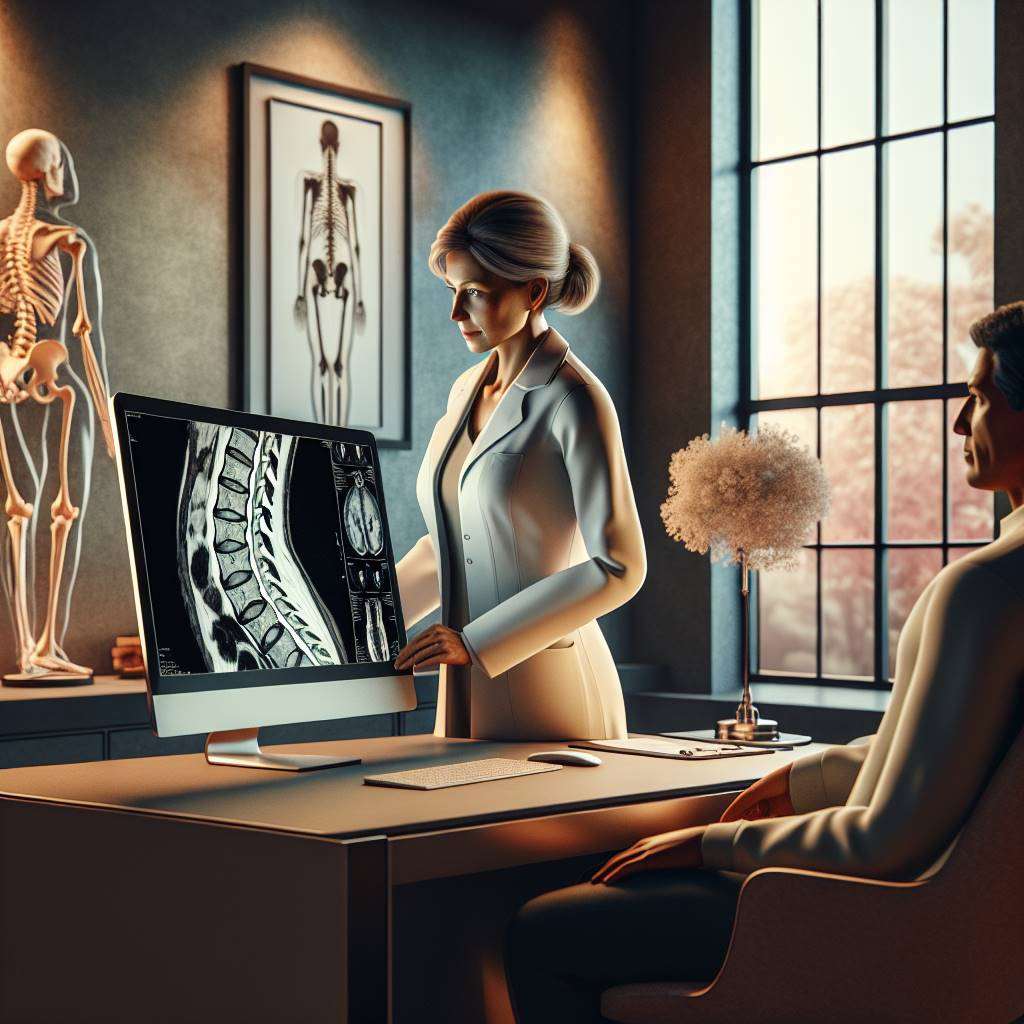
Other trends include the use of advanced imaging for precise diagnosis and intraoperative navigation, which enhances surgical accuracy. Regenerative therapies, such as platelet-rich plasma (PRP) injections, are being explored for their potential to promote disc healing. These innovations aim to improve outcomes, reduce hospital stays, and minimize complications for patients undergoing slip disc treatment in India.
| Technique |
Benefits |
Considerations |
| Microdiscectomy |
Small incision, quicker recovery |
Requires surgical expertise |
| Endoscopic Discectomy |
Minimal tissue damage |
Not for all disc types |
| Laser Discectomy |
Targeted disc removal |
Limited long-term data |
| PRP Therapy |
Potential disc healing |
Still under research |
Frequently Asked Questions About Slip Disc Treatment in India
What is the average recovery time after slip disc surgery?
The average recovery time after slip disc surgery in India is about 4 to 6 weeks for most patients. Recovery depends on the type of procedure, your overall health, and how well you follow post-surgery instructions. Some people may return to light activities sooner, but full recovery and return to normal work can take a few months.
Are non-surgical treatments effective for all slip disc cases?
Non-surgical treatments are effective for many slip disc cases, especially mild to moderate ones. These include rest, physiotherapy, pain medicines, and lifestyle changes. However, severe cases with nerve compression or loss of function may need surgery for the best outcome. Always consult a doctor to decide the right approach.
How do I know if I need surgery for a slip disc?
You may need surgery if you have severe pain, weakness, or numbness that does not improve with non-surgical care. Signs like loss of bladder or bowel control are also serious and need urgent surgery. Your doctor will assess your symptoms, MRI findings, and response to treatment before recommending an operation.
What are the risks of slip disc surgery in India?
Risks of slip disc surgery in India include infection, bleeding, nerve injury, and rare complications like blood clots. Most surgeries are safe when done by experienced surgeons, but every procedure carries some risk. Your doctor will discuss possible side effects and how they are managed before your operation.
How much does slip disc treatment cost in India?
The cost of slip disc treatment in India varies widely, ranging from about ₹30,000 for conservative care to about ₹5,80,000 for surgery. The price depends on the hospital, city, type of treatment (surgical or non-surgical), and your specific needs. Non-surgical care is usually less expensive, while advanced surgeries and private hospitals may cost more.
References
Herniated Disk
MedlinePlus, U.S. National Library of Medicine. https://medlineplus.gov/herniateddisk.html
Non-Surgical Approaches to the Management of Lumbar Disc Herniation Associated with Radiculopathy: A Narrative Review (2024)
PubMed, U.S. National Library of Medicine. https://pubmed.ncbi.nlm.nih.gov/38398287/
Slipped disc (2022)
NHS. https://www.nhs.uk/conditions/slipped-disc/
Minimally Invasive Spine Surgery (2022)
American Association of Neurological Surgeons. https://www.aans.org/en/Patients/Neurosurgical-Conditions-and-Treatments/Minimally-Invasive-Spine-Surgery
Percutaneous Endoscopic Lumbar Discectomy: Indications and Complications (2020)
PubMed, U.S. National Library of Medicine. https://pubmed.ncbi.nlm.nih.gov/32013278/
Lumbar Disc Herniation—the Significance of Symptom Duration for the Indication for Surgery (2024)
PubMed, U.S. National Library of Medicine. https://pubmed.ncbi.nlm.nih.gov/38835174/
Rehabilitation after lumbar disc surgery (2014)
PubMed, U.S. National Library of Medicine. https://pubmed.ncbi.nlm.nih.gov/24627325/
The effects of Pilates on pain, functionality, quality of life, flexibility and endurance in lumbar disc herniation (2023)
PubMed, U.S. National Library of Medicine. https://pubmed.ncbi.nlm.nih.gov/36453667/
Background, techniques, applications, current trends, and future directions of minimally invasive endoscopic spine surgery: A review of literature (2023)
PubMed, U.S. National Library of Medicine. https://pubmed.ncbi.nlm.nih.gov/37155511/
Orthopedic Care Resources in India
Explore trusted information on bone, joint, and spine care in India. Learn about common orthopedic conditions, treatment options, recovery guidance, and how to plan your care with confidence.
Start with our comprehensive Orthopedic Guide to understand procedures, costs, and care pathways for international and domestic patients.
Planning Slip Disc Treatment in India?
Share your reports and our care team will come back with suitable
hospitals, indicative costs and an outline treatment plan. No cost, no obligation.
Slip Disc Treatment Cost in India varies by hospital type and city, with prices typically ranging from ~₹3.4–5.8 lakh (≈ $3,500–6,000 USD). Slip Disc Treatment Cost in India: What to Expect