ACL reconstruction surgery in India typically costs ~₹2.9–4.3 lakh (≈ $3,000–4,500 USD), depending on factors like hospital tier and surgeon expertise. The procedure involves replacing the torn ligament, and most patients resume normal activities within 6–9 months. Understanding the cost and recovery timeline helps you make informed decisions about your treatment options.
Medical disclaimer: This content is for general awareness and does not replace a doctor’s consultation. For diagnosis or treatment decisions, consult a qualified specialist.
About these prices: all-inclusive package estimates for international patients at accredited private hospitals, compiled in September 2026 from published hospital and facilitator price lists (about ₹96 per US dollar). Indian residents are usually quoted lower domestic tariffs; your final cost is confirmed after a specialist reviews your reports.
At a Glance: Key Takeaways for ACL Reconstruction Surgery in India
ACL reconstruction is a common procedure in India that can help restore knee stability after ligament injury. Most patients regain good function with proper surgery and rehabilitation, but recovery time and costs vary. Consider your activity level, age, and expectations before deciding on surgery.
- Choose surgery when knee instability affects daily life or sports.
- Opt for non-surgical care if symptoms are mild or activity is low.
- Recovery usually takes 6–9 months with physiotherapy.
- Costs range widely; discuss with your surgeon for estimates.
- Success rates are high, but risks like stiffness or infection exist.
ACL Reconstruction Surgery in India: Cost, Procedure, Recovery and Success Rate Cost
The cost of ACL ligament reconstruction in India typically ranges from ₹2,90,000–₹4,30,000 (≈ $3,000–$4,500 USD) depending on the hospital, surgeon’s expertise, and city. This estimate usually covers surgery, hospital stay, basic implants, and immediate post-operative care. Additional expenses may arise for physiotherapy, advanced implants, or extended hospitalisation.
Private hospitals in metro cities like Mumbai or Delhi may charge towards the higher end, while government or teaching hospitals often offer lower fees. For example, Apollo Hospitals and AIIMS are two facilities where such procedures are performed, but prices and inclusions differ. Always confirm the exact package and what is covered before proceeding.
| Hospital Type | Typical Cost (INR) | Inclusions |
|---|
| Private | ₹2,90,000–₹4,30,000 | Surgery, stay, basic rehab |
| Government | Lower (limited international-patient services) | Surgery, stay |
| Metro City | Higher range | Advanced care, implants |
| Tier 2/3 City | Lower range | Standard care |
Explore a detailed breakdown of acl reconstruction surgery cost in India by visiting our in-depth guide acl reconstruction surgery cost in India.
Who Should Consider ACL Reconstruction Surgery in India?
Individuals with a torn anterior cruciate ligament who experience knee instability, frequent giving way, or difficulty returning to sports may benefit from surgical reconstruction. Active adults and athletes are often advised to consider surgery to restore joint function and prevent further knee damage.
Non-surgical management may be suitable for older adults, those with low physical demands, or patients with partial tears and minimal symptoms. The decision should be personalised, considering factors like age, activity level, associated injuries, and overall health. Consulting an orthopaedic specialist is essential to determine the best approach for your situation.
- Persistent knee instability after injury
- Desire to return to high-impact sports
- Associated meniscal or ligament injuries
- Failure of conservative treatment
Pre-operative Evaluation and Imaging Tests for ACL Surgery
Common Imaging Modalities Used Before ACL Reconstruction
Before ACL surgery, imaging is crucial to confirm the diagnosis and assess the extent of injury. MRI scans are the gold standard for visualising ligament tears, cartilage, and meniscal damage. X-rays may also be performed to rule out bone fractures or alignment issues, especially in cases of trauma. These tests help surgeons plan the procedure and anticipate any additional repairs needed[c1].

Ultrasound is less commonly used but can sometimes help assess soft tissue injuries around the knee. Accurate imaging ensures that the surgical plan is tailored to the patient’s specific anatomy and injury pattern, improving the likelihood of a successful outcome.
- MRI: Detailed ligament and cartilage assessment
- X-ray: Bone structure and alignment
- Ultrasound: Adjunct for soft tissue evaluation
Laboratory and Fitness Assessments Prior to Surgery
Pre-operative laboratory tests are performed to check for infections, anaemia, and overall health status. Common investigations include blood counts, blood sugar, kidney and liver function, and screening for hepatitis or HIV. These tests help minimise surgical risks and ensure the patient is fit for anaesthesia and recovery.
Fitness assessments may involve a physical examination, ECG, and chest X-ray, especially for older adults or those with medical conditions. The goal is to identify and address any health issues before surgery, reducing the chance of complications and supporting a smoother recovery process.
- Blood tests: Infection, anaemia, organ function
- ECG: Heart health evaluation
- Chest X-ray: Lung and cardiac assessment
Types of ACL Reconstruction Procedures and Graft Choices
Autograft vs Allograft: Pros and Cons in ACL Surgery
ACL reconstruction can use either an autograft (your own tissue) or an allograft (donor tissue). Autografts are commonly taken from the patellar tendon or hamstring and are preferred for younger, active patients due to their lower risk of graft rejection and higher long-term strength. However, harvesting your own tissue may cause additional pain or weakness at the donor site.
Allografts, sourced from a donor, reduce surgical time and avoid donor site discomfort. They are often chosen for older adults or those needing revision surgery. However, allografts may carry a slightly higher risk of graft failure and infection, especially in younger, high-demand athletes.
| Dimension | Autograft | Allograft |
| Candidacy | Young, active patients | Older, less active, revisions |
| Durability | Higher long-term strength | Good, but slightly less durable |
| Donor Site | Possible pain/weakness | No donor site issues |
| Recovery Time | May be longer | Often shorter |
| Risks | Donor site morbidity | Higher infection risk |
| Cost | Usually lower | Usually higher |
Minimally Invasive Techniques for ACL Reconstruction
Minimally invasive ACL reconstruction uses small incisions and specialized instruments to reduce tissue damage. This approach can lead to less postoperative pain, quicker recovery, and smaller scars compared to traditional open surgery. Arthroscopic techniques are now standard in most Indian hospitals, allowing surgeons to view and repair the ligament using a camera and precise tools.
Patients undergoing minimally invasive ACL repair typically experience shorter hospital stays and may return to daily activities sooner. However, the success of the procedure still depends on proper rehabilitation and the surgeon’s expertise. Not all complex cases are suitable for minimally invasive methods.
- Smaller incisions, less tissue trauma
- Faster recovery and reduced pain
- Requires skilled arthroscopic surgeons
Revision ACL Surgery: When Is It Needed?
Revision ACL surgery is considered when a previous ligament reconstruction fails, often due to reinjury, improper graft placement, or poor healing. Signs that revision may be needed include persistent knee instability, pain, or limited function despite rehabilitation. The procedure is more complex than the initial surgery and may require different graft choices or additional bone work.
Patients undergoing revision surgery may face longer recovery times and slightly lower success rates compared to first-time procedures. Careful assessment by an experienced orthopaedic surgeon is essential to determine the cause of failure and plan the best approach for a stable, functional knee[c4].
- Revision needed for failed grafts or reinjury
- More complex than primary ACL surgery
- Success depends on cause and surgical planning
How to Choose the Right Hospital or Surgeon for ACL Surgery
Key Factors in Selecting an ACL Surgeon in India
Choosing the right ACL surgeon can significantly impact your outcome. Look for a surgeon with specialized training in sports medicine or arthroscopic knee procedures. Experience with a high volume of ACL surgeries is linked to better results and fewer complications. It is also important to consider the surgeon’s communication style and willingness to discuss risks, alternatives, and expected recovery.
Ask about the surgeon’s success rates, complication rates, and approach to rehabilitation. Patient reviews and recommendations from trusted healthcare professionals can also guide your decision. Always verify the surgeon’s credentials and registration with the Medical Council of India or state medical boards.
- Specialized training in knee/arthroscopic surgery
- High volume of ACL procedures performed
- Clear communication and patient support
Accreditation and Experience of Hospitals for ACL Procedures
Hospital accreditation ensures adherence to quality and safety standards. In India, look for facilities accredited by NABH (National Accreditation Board for Hospitals) or JCI (Joint Commission International). Accredited hospitals typically have advanced operating rooms, infection control protocols, and trained support staff for orthopaedic care.
Consider hospitals with a dedicated sports injury or orthopaedic department, such as Apollo Hospitals or Fortis Healthcare, as examples. These centers often have experienced surgical teams and comprehensive rehabilitation services. Hospital experience with ACL procedures can contribute to smoother recovery and lower complication rates[c5].
- NABH or JCI accreditation
- Dedicated orthopaedic/sports injury unit
- Comprehensive rehab and support services
Risks and Potential Complications of ACL Reconstruction Surgery
Short-term Complications After ACL Surgery
Short-term risks after ACL reconstruction can include bleeding, infection, and blood clots. Some patients may experience knee stiffness, swelling, or temporary numbness around the incision site. Infection is rare but can require further treatment or even additional surgery if not addressed promptly.
Other possible complications are delayed wound healing and allergic reactions to anesthesia or medications. Early recognition and management of these issues, along with following your surgeon’s aftercare instructions, can help minimize their impact.
- Bleeding or hematoma formation
- Infection at surgical site
- Blood clots (rare)
- Knee stiffness or swelling
Long-term Risks and Graft Failure in ACL Reconstruction
Long-term complications may include graft failure, persistent knee instability, or limited range of motion. Graft failure can result from reinjury, improper healing, or technical issues during surgery. Recurrent instability may require revision surgery, especially in athletes or highly active individuals.
Other risks include the development of osteoarthritis in the knee over time, and, less commonly, chronic pain or nerve injury. Regular follow-up and adherence to rehabilitation protocols are crucial to reduce these risks and support optimal knee function.
- Graft failure or re-tear
- Chronic knee pain or stiffness
- Increased risk of osteoarthritis
What to Expect on the Day of ACL Reconstruction Surgery
On the day of surgery, you will arrive at the hospital after fasting as instructed. The care team will review your medical history, confirm consent, and prepare your knee for the procedure. Most ACL surgeries are performed under spinal or general anesthesia, and the operation typically lasts 1–2 hours.
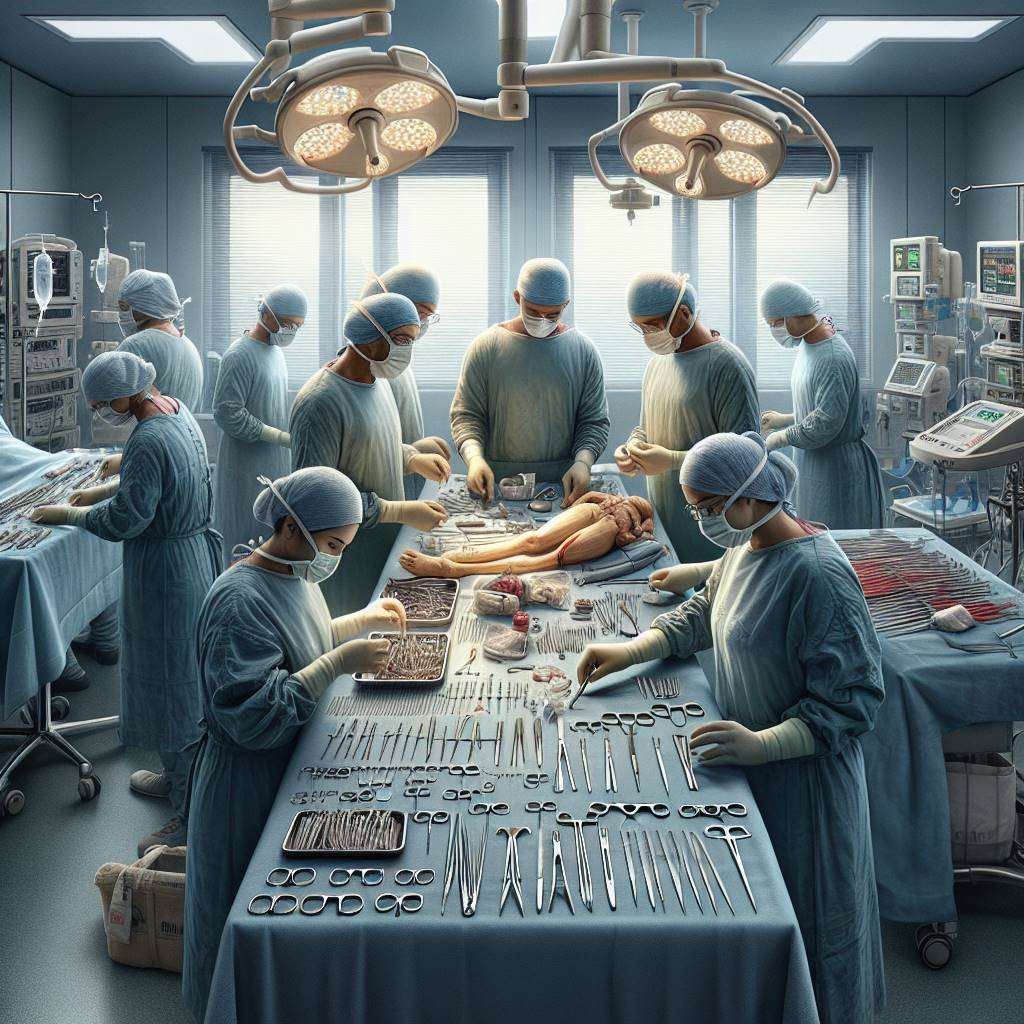
After surgery, you will be monitored in a recovery area for a few hours. Pain management and early movement are encouraged, and you may begin gentle physiotherapy soon after. Most patients can return home the same or next day, with clear instructions for wound care and follow-up visits.
- Arrive fasting; pre-surgery checks and consent
- Anesthesia and surgery (1–2 hours)
- Post-op monitoring and early physiotherapy
- Discharge with home care instructions
Anaesthesia and Pain Management During ACL Reconstruction
During ACL reconstruction, anaesthesia is essential to ensure patient comfort and safety. Most procedures are performed under either general anaesthesia, which puts you completely to sleep, or regional anaesthesia (such as spinal or epidural), which numbs the lower body while you remain awake. The choice depends on your health, surgeon’s preference, and any previous reactions to anaesthetics. Anaesthesiologists closely monitor vital signs throughout the surgery to minimise risks and adjust medications as needed.
After surgery, pain management is a priority. Doctors typically use a combination of oral painkillers, anti-inflammatory medications, and sometimes nerve blocks to control discomfort. Early pain control can help you start gentle movement and physiotherapy sooner, which is important for recovery. Most patients experience moderate pain in the first few days, but this usually improves with proper medication and care.
- General or regional anaesthesia options
- Post-surgery pain managed with medications
- Early pain control aids faster rehabilitation
Hospital Stay and Immediate Post-operative Care After ACL Surgery
After ACL surgery, patients typically stay in the hospital for 1–2 days for monitoring and initial recovery. During this period, nurses and doctors check for signs of infection, monitor pain levels, and ensure the operated leg is stable. You may receive intravenous fluids and medications to prevent blood clots and manage pain. In some cases, especially with minimally invasive techniques, discharge may occur within 24 hours if recovery is smooth.
Immediate post-operative care includes starting gentle knee movements and using a brace or support as advised. Physiotherapists may guide you through basic exercises to prevent stiffness and improve circulation. Instructions on wound care, medication schedules, and warning signs to watch for are provided before discharge. Most patients are encouraged to begin weight-bearing with crutches soon after surgery, depending on the surgeon’s advice.
| Aspect |
Typical Details |
| Hospital Stay |
1–2 days |
| Pain Control |
Medications and ice packs |
| Mobility |
Crutches, knee brace |
| Discharge Advice |
Wound care, physiotherapy |
Recovery Timeline and Return to Activity After ACL Reconstruction
Typical Milestones in ACL Surgery Recovery
Recovery after ACL surgery follows a structured timeline with key milestones. In the first two weeks, swelling and pain gradually decrease, and gentle range-of-motion exercises begin. By 4–6 weeks, most patients can walk with minimal support and start strengthening exercises. At three months, daily activities become easier, and knee stability improves. Full recovery, including return to sports, may take 6–12 months, depending on individual progress and adherence to rehabilitation protocols[c7].

It’s important to follow your surgeon’s and physiotherapist’s advice at each stage. Rushing the process can increase the risk of re-injury. Regular follow-up visits help track progress and adjust your rehabilitation plan as needed.
- 2 weeks: Pain and swelling reduce
- 6 weeks: Walking with support
- 3 months: Improved knee strength
- 6–12 months: Gradual return to sports
When Can You Resume Sports or Physical Work?
Returning to sports or physically demanding work after ACL surgery depends on your healing and rehabilitation progress. Most people can resume light activities and desk jobs within 4–6 weeks. However, high-impact sports like football or basketball usually require at least 6–9 months of recovery and physiotherapy to ensure the knee is strong and stable. Your doctor will assess your readiness based on knee strength, flexibility, and confidence in movement.
Attempting to return too soon may increase the risk of graft failure or re-injury. A gradual approach, with clearance from your healthcare team, is the safest way to resume full activity. Some individuals may need up to a year before returning to competitive sports.
- Desk work: 4–6 weeks
- Light jogging: 3–4 months
- Sports drills: 5–6 months
- Full sports: 6–12 months
Physiotherapy and Rehabilitation After ACL Reconstruction Surgery
Role of Physiotherapy in ACL Recovery
Physiotherapy is a crucial part of ACL recovery, helping restore knee strength, flexibility, and function. Early sessions focus on reducing swelling and regaining movement, while later stages emphasize muscle strengthening and balance. A structured rehabilitation plan can significantly improve outcomes and reduce the risk of future injuries. Regular physiotherapy sessions also support a safe and timely return to daily activities and sports[c9].
Working closely with a physiotherapist ensures exercises are performed correctly and progress is monitored. Adhering to the prescribed plan is essential for achieving the best possible recovery and regaining confidence in your knee.
- Reduces swelling and stiffness
- Restores knee movement and strength
- Supports safe return to activity
Common Rehabilitation Protocols and Exercises
Rehabilitation after ACL surgery typically follows a phased approach. The initial phase includes gentle range-of-motion exercises and isometric muscle contractions to prevent stiffness. As healing progresses, weight-bearing and strengthening exercises are introduced. Later stages focus on balance, agility, and sport-specific drills. Each protocol is tailored to the individual’s needs and progress, with regular assessments by the physiotherapist[c7].
Common exercises include heel slides, quadriceps sets, straight-leg raises, and stationary cycling. Advanced stages may involve resistance training, plyometrics, and running drills. Consistency and gradual progression are key to a successful recovery.
| Phase |
Focus |
Example Exercise |
| Early |
Mobility, swelling control |
Heel slides |
| Mid |
Strengthening |
Quadriceps sets |
| Late |
Agility, balance |
Single-leg balance |
| Advanced |
Sport-specific |
Running drills |
Success Rates and Long-term Outcomes of ACL Reconstruction in India
Most patients undergoing ACL reconstruction in India experience excellent outcomes, with success rates typically ranging from 80% to 95%. This means that the majority regain knee stability and can return to daily activities without significant limitations. Long-term studies show that many individuals maintain good knee function for years after surgery, especially when they follow recommended rehabilitation protocols[c7].
However, some patients may develop mild knee stiffness or discomfort over time. The risk of re-injury or graft failure is generally low but can increase with high-impact sports or inadequate rehabilitation. Overall, ACL reconstruction is considered a reliable option for restoring knee stability and function in active individuals.
| Outcome | Typical Result | Notes |
| Success Rate | 80%–95% | Most regain stable knee |
| Return to Sports | 6–12 months | Varies by sport |
| Long-term Function | Good to excellent | With proper rehab |
| Re-injury Risk | Low | Higher in contact sports |
| Complications | Rare | Includes stiffness, infection |
Factors That Affect ACL Surgery Success and Recovery
Several factors can influence the outcome of ACL surgery, including the patient’s age, activity level, and the presence of other knee injuries. Younger, active individuals may experience better results, while those with additional ligament or cartilage damage may face a longer recovery. The choice of graft (autograft or allograft) and the surgeon’s expertise also play important roles in determining surgical success[c11].
Postoperative rehabilitation is crucial for optimal recovery. Adhering to a structured physiotherapy program helps restore knee strength and flexibility, reducing the risk of complications. Patient motivation and support from family or caregivers can further enhance the healing process and improve long-term outcomes.
- Patient age and activity level
- Type of graft used
- Surgeon’s experience
- Quality of rehabilitation
- Presence of other knee injuries
Managing Pain and Swelling After ACL Reconstruction Surgery
Effective pain and swelling control is essential for a smooth recovery after ACL surgery. Patients are usually prescribed medications such as paracetamol or non-steroidal anti-inflammatory drugs (NSAIDs) to manage discomfort. Applying ice packs and elevating the leg can further help reduce swelling in the initial days following the operation.

Early movement, as advised by your physiotherapist, can prevent joint stiffness and promote healing. Compression bandages or knee braces may also be recommended to support the joint and control swelling. Always follow your doctor’s instructions regarding medication and activity levels to minimise complications.
- Use prescribed pain relievers as directed
- Apply ice packs for 15–20 minutes, several times daily
- Elevate the leg above heart level
- Begin gentle exercises as advised
Returning to Sports and Physical Activities After ACL Surgery
Most people can expect to return to sports or high-impact activities within 6 to 12 months after ACL reconstruction, depending on their progress and the type of sport. A gradual, supervised rehabilitation program is essential to restore strength, flexibility, and confidence in the knee. Rushing back too soon may increase the risk of re-injury or graft failure[c7].
Your doctor and physiotherapist will assess your readiness to resume sports based on functional tests and your ability to perform sport-specific movements without pain or instability. Wearing a knee brace may be recommended for certain activities during the initial return phase.
- Follow your rehab plan closely
- Wait for medical clearance before resuming sports
- Start with low-impact activities, progress gradually
- Use protective gear if advised
Lifestyle Adjustments and Preventing Re-injury After ACL Surgery
After ACL surgery, making certain lifestyle changes is essential to protect your new ligament and support long-term knee health. Patients are advised to gradually return to activities, with a focus on strengthening exercises and flexibility training. High-impact sports should be avoided until cleared by your doctor, as premature return can increase the risk of re-injury. Regular physiotherapy sessions play a key role in regaining strength and stability.
Maintaining a healthy weight, using proper techniques during physical activities, and wearing recommended knee supports can further reduce the chance of another injury. It is important to listen to your body and avoid pushing through pain. Consistent follow-up with your healthcare provider helps monitor progress and address any concerns early.
- Follow your physiotherapist’s exercise plan
- Gradually increase activity intensity
- Use knee braces if recommended
- Maintain a healthy body weight
- Report any new pain or swelling promptly
Alternatives to ACL Reconstruction Surgery in India
Non-surgical management is an option for some individuals with ACL injuries, especially those with partial tears, lower activity demands, or medical conditions that make surgery risky. This approach typically involves physiotherapy to strengthen surrounding muscles, improve joint stability, and restore function. Bracing and activity modification may also be recommended to prevent further injury.
However, non-surgical treatment may not fully restore knee stability in active individuals or athletes. In such cases, surgery is often advised to reduce the risk of future knee damage. The choice between surgical and non-surgical options depends on age, activity level, and personal goals, and should be made in consultation with an orthopaedic specialist.
- Non-surgical: Suitable for low-demand lifestyles
- Physiotherapy: Key for muscle strength and stability
- Bracing: May help prevent instability
- Surgery: Often preferred for athletes or active adults
When to Seek Medical Help After ACL Reconstruction Surgery
It is important to monitor your recovery closely after ACL surgery and seek medical attention if you notice warning signs. Contact your doctor immediately if you experience severe pain, excessive swelling, fever, or redness around the incision site, as these may indicate infection or other complications. Sudden loss of movement or inability to bear weight should also be reported without delay.
Other symptoms that require prompt evaluation include persistent numbness, unusual bleeding, or calf pain, which could signal a blood clot. Early intervention can prevent serious problems and support a smoother recovery. Always follow your surgeon’s instructions regarding wound care and scheduled follow-up visits.
- Severe or worsening knee pain
- High fever or chills
- Redness, warmth, or pus at incision
- Difficulty moving or bearing weight
- Sudden swelling or calf pain
Frequently Asked Questions About ACL Reconstruction Surgery in India
Is ACL reconstruction surgery always necessary for a torn ligament?
ACL reconstruction is not always required for every torn ligament. Some people with partial tears or lower activity levels may manage well with physiotherapy and lifestyle changes. However, active individuals or athletes often need surgery to restore knee stability and prevent further injury. The decision depends on age, activity demands, and knee instability symptoms.
How long does it take to fully recover from ACL surgery?
Full recovery after ACL surgery typically takes 6 to 12 months. Most patients can walk without support within a few weeks, but returning to sports or high-impact activities may take longer. Adhering to your rehabilitation plan is crucial for regaining strength and flexibility. Recovery time can vary based on age, overall health, and commitment to physiotherapy.
What are the chances of re-injury after ACL reconstruction?
The risk of re-injury after ACL reconstruction is generally low, but it can occur, especially if returning to sports too soon or not following rehabilitation advice. Studies suggest a re-injury rate of about 5–10%. Proper rehabilitation and gradual return to activity help reduce this risk. Using knee supports and avoiding high-risk movements are also important preventive steps.
Can ACL reconstruction surgery be done as a day-care procedure?
Yes, ACL reconstruction can often be performed as a day-care or same-day procedure in many hospitals. Patients are usually discharged a few hours after surgery, provided there are no complications. Follow-up care and physiotherapy are essential after discharge. Your surgeon will decide if day-care surgery is suitable based on your health and support at home.
What precautions should be taken after ACL surgery?
After ACL surgery, follow your doctor’s advice on wound care, medication, and physiotherapy. Avoid high-impact activities until cleared by your surgeon. Use crutches or knee braces as recommended, and keep the surgical site clean and dry. Attend all follow-up appointments and report any unusual symptoms promptly for best recovery outcomes.
- Physiotherapy is key for recovery
- Return to sports only after medical clearance
- Monitor for signs of infection or complications
- Use supports as advised
- Follow all post-operative instructions
What is ACL reconstruction surgery?
ACL reconstruction surgery is a procedure to replace a torn anterior cruciate ligament in the knee with a tissue graft. This operation helps restore knee stability and function, especially for people who are active or play sports. It is commonly done when the ligament is badly damaged and cannot heal on its own.
How much does ACL reconstruction surgery cost in India?
The cost of ACL reconstruction surgery in India usually ranges from ₹2,90,000 to ₹4,30,000. The price depends on the hospital, surgeon’s experience, city, and whether you choose a private or government facility. Additional charges may apply for tests, medicines, and hospital stay.
What is the procedure for ACL reconstruction?
During ACL reconstruction, the surgeon removes the damaged ligament and replaces it with a graft, often taken from the patient’s own body or a donor. The surgery is usually done using minimally invasive techniques, which means smaller cuts and faster healing. The procedure takes about 1–2 hours under anesthesia.
How long is the recovery after ACL reconstruction surgery?
Recovery after ACL reconstruction surgery typically takes 6 to 9 months. Most patients start walking with support within a few days and begin physiotherapy soon after. Full return to sports or heavy activities may take longer, depending on healing and rehabilitation progress.
What is the success rate of ACL reconstruction surgery in India?
ACL reconstruction surgery in India has a high success rate, with about 85–95% of patients regaining good knee stability and function. Success depends on factors like the surgeon’s skill, proper rehabilitation, and following post-surgery instructions. Most people can return to their normal activities after recovery.
Orthopedic Care Resources in India
Explore trusted information on bone, joint, and spine care in India. Learn about common orthopedic conditions, treatment options, recovery guidance, and how to plan your care with confidence.
Start with our comprehensive Orthopedic Guide to understand procedures, costs, and care pathways for international and domestic patients.
Planning ACL Reconstruction Surgery in India?
Share your reports and our care team will come back with suitable
hospitals, indicative costs and an outline treatment plan. No cost, no obligation.
Acl Reconstruction Surgery Cost in India varies, with approximate expenses ranging from ₹2.9–4.3 lakh (≈ $3,000–4,500 USD) depending on hospital type and city. Acl Reconstruction Surgery Cost in India