Radioembolization, also known as TARE therapy, is an advanced treatment for liver cancer that combines radiation and embolization techniques. In India, this therapy is available at leading hospitals with costs typically ranging between ₹8.6–14 lakhs, depending on factors like hospital, location, and patient needs. The procedure is minimally invasive, offering a targeted approach with reduced side effects compared to traditional treatments. Patients benefit from state-of-the-art facilities and expert oncologists, making India a preferred destination for this therapy.
Medical disclaimer: This content is for general awareness and does not replace a doctor’s consultation. For diagnosis or treatment decisions, consult a qualified specialist.
About these prices: all-inclusive package estimates for international patients at accredited private hospitals, compiled in September 2026 from published hospital and facilitator price lists (about ₹96 per US dollar). Indian residents are usually quoted lower domestic tariffs; your final cost is confirmed after a specialist reviews your reports.
At a Glance: Key Takeaways About TARE Therapy in India
Radioembolization, or TARE therapy, is a minimally invasive treatment for liver cancer that combines targeted radiation with embolization. It is particularly effective for patients with inoperable tumors or those awaiting liver transplantation.
- Choose TARE for localized liver cancer with limited spread.
- Opt for surgery if tumors are resectable and patient health permits.
- Consider systemic therapies for widespread cancer.
- Discuss with your oncologist to evaluate candidacy.
- Ideal for patients seeking a targeted, less invasive approach.
Costs & Factors: Typical Ranges for TARE Therapy
What Are the Typical Costs of TARE Therapy in India?
The cost of TARE therapy in India typically ranges from ₹8,60,000–₹14,00,000 (≈ $9,000–$15,000 USD). This includes pre-procedure imaging, the radioactive microspheres, and hospital charges. Costs may vary based on the hospital and city.
Factors That Influence the Cost of Treatment
Several factors affect the cost of TARE therapy, including the type of radioactive microspheres used, the hospital's infrastructure, and the expertise of the interventional radiologist. Additional costs may arise from pre-treatment tests and follow-up care.
How to Budget for TARE Therapy?
To budget effectively, patients should account for hospital fees, imaging tests, and post-procedure follow-ups. Many hospitals offer package deals, and health insurance may cover part of the expenses. Discuss financing options with your provider.
- Costs vary by hospital and city.
- Insurance may partially cover the procedure.
- Pre-treatment tests can add to expenses.
How It Works: Steps & Workflow of TARE Therapy
What Happens During the Initial Consultation?
During the initial consultation, the oncologist and interventional radiologist review the patient's medical history, imaging scans, and blood tests. This step determines if TARE is suitable and involves planning the procedure.
Steps Involved in the TARE Procedure
The procedure begins with mapping angiography to identify liver blood vessels. Radioactive microspheres are then injected into the liver's blood supply, delivering targeted radiation to the tumor while sparing healthy tissue.
Post-Treatment Care and Follow-Up
After TARE, patients are monitored for side effects like fatigue or mild abdominal pain. Follow-up imaging is scheduled to assess the treatment's effectiveness and ensure no complications arise.
- Initial consultation includes imaging and eligibility checks.
- Procedure involves mapping and microsphere injection.
- Post-care focuses on monitoring and follow-up scans.
Who It’s For: Eligibility & When to Choose It
TARE therapy is ideal for patients with liver cancer that cannot be surgically removed or has not spread extensively. It is often recommended for those awaiting liver transplantation or as a palliative option to improve quality of life. Patients with good liver function and no severe comorbidities are the best candidates.
It is not suitable for individuals with widespread metastases, poor liver function, or severe kidney issues. A thorough evaluation by a multidisciplinary team ensures the treatment aligns with the patient's overall health and cancer stage.
- Best for localized, inoperable liver tumors.
- Not suitable for widespread metastases.
- Requires good liver function and overall health.
Benefits & Risks: What to Expect from TARE Therapy
What Are the Key Benefits of TARE Therapy?
Radioembolization, or TARE, is a minimally invasive treatment that delivers targeted radiation directly to liver tumors. This approach spares healthy liver tissue, making it ideal for patients with limited treatment options. TARE can improve quality of life by reducing tumor size and alleviating symptoms, especially in cases where surgery is not feasible.
Another key benefit is its outpatient nature, allowing most patients to return home the same day. Additionally, TARE therapy may extend survival rates for patients with advanced liver cancer, offering a tailored and effective treatment option.
- Minimally invasive with faster recovery
- Targets tumors while sparing healthy tissue
- Potential to improve survival rates
Potential Risks and Side Effects
While TARE therapy is generally safe, it carries some risks. Common side effects include fatigue, nausea, and mild abdominal pain, which typically resolve within a few days. Rarely, patients may experience radiation-induced liver damage or ulcers in the digestive tract.
To minimize risks, the procedure is performed under strict imaging guidance by experienced interventional radiologists. Regular follow-ups are essential to monitor for complications and ensure optimal recovery.
- Common: Fatigue, nausea, mild pain
- Rare: Liver damage, digestive ulcers
- Requires close post-procedure monitoring
Timeline & Aftercare: First 4–12 Weeks After TARE
The recovery timeline after TARE therapy varies, but most patients resume normal activities within a week. During the first 4–12 weeks, patients may experience mild fatigue or discomfort, which gradually subsides. Follow-up imaging is typically scheduled within 4–6 weeks to assess treatment effectiveness and monitor tumor response.
Aftercare includes maintaining hydration, adhering to prescribed medications, and avoiding strenuous activities for the first few weeks. Patients should report any unusual symptoms, such as persistent pain or fever, to their healthcare provider promptly. Long-term monitoring ensures early detection of any complications.
- Week 1: Rest and light activities
- Weeks 4–6: Follow-up imaging
- Weeks 6–12: Gradual return to full routine
Alternatives & When They Fit Better
What Are the Alternatives to TARE Therapy?
Alternatives to TARE therapy include systemic treatments like chemotherapy, targeted therapy, and immunotherapy. These options are often used when liver tumors are widespread or when patients are not candidates for localized treatments. Surgical resection or liver transplantation may also be considered for eligible patients with limited disease.
Other localized therapies, such as radiofrequency ablation (RFA) or transarterial chemoembolization (TACE), may be suitable for smaller tumors or patients with specific medical conditions. Each alternative has unique benefits and limitations, depending on the patient's overall health and cancer stage.
- Systemic: Chemotherapy, immunotherapy
- Localized: RFA, TACE
- Surgical: Resection, transplantation
When Should You Consider Other Options?
Other options may be more appropriate if the liver function is severely compromised or if the cancer has spread extensively. Patients with small, isolated tumors may benefit more from surgical resection or ablation techniques. Additionally, systemic therapies are often preferred for managing metastatic disease or when multiple organs are involved.
Discussing your case with a multidisciplinary team can help determine the most suitable treatment plan. Factors such as tumor size, location, and overall health play a critical role in choosing the right approach.
- Severe liver dysfunction: Systemic therapies
- Small, localized tumors: Surgery or RFA
- Widespread disease: Chemotherapy or immunotherapy
How to Choose the Right Provider for TARE Therapy
Choosing the right provider for TARE therapy is crucial for optimal outcomes. Look for hospitals with advanced interventional radiology departments and a multidisciplinary team experienced in liver cancer care. Accreditation by national or international bodies ensures high standards of treatment and safety.
Consider factors such as the provider's success rates, patient reviews, and access to post-procedure care. A hospital with state-of-the-art imaging technology and experienced specialists can significantly improve treatment precision and recovery outcomes.
- Check hospital accreditation and expertise
- Review patient testimonials and success rates
- Ensure access to follow-up care
Latest Updates & What’s Changing in TARE Therapy
Recent Advances in TARE Technology
Recent advancements in TARE therapy include the development of more precise microspheres that deliver radiation directly to liver tumors. These innovations aim to improve targeting accuracy, minimizing damage to healthy tissues. Additionally, imaging technologies like PET-CT are being integrated to enhance treatment planning and monitoring.
Ongoing Research and Clinical Trials
Ongoing research focuses on combining TARE with systemic therapies such as immunotherapy and targeted drugs. Clinical trials are also exploring its effectiveness in treating non-liver cancers. Early results suggest that these combinations may improve survival rates and expand the therapy’s applications.
Key Differences: Side-by-Side Comparison
Who Is a Good Fit for TARE Therapy?
TARE therapy is typically suited for patients with inoperable liver tumors or those who cannot tolerate surgery. It is especially effective for individuals with primary liver cancer or metastatic tumors confined to the liver. Patients with good liver function and no significant extrahepatic disease are ideal candidates.
Performance & Outcomes Compared to Alternatives
TARE offers localized treatment with fewer systemic side effects compared to chemotherapy. While surgery remains the gold standard for eligible patients, TARE provides a viable option for those who are not surgical candidates. Studies show that TARE can significantly improve quality of life and extend survival in specific cases.
Cost & Ongoing Needs: TARE vs. Other Options
The cost of TARE therapy in India typically ranges from ₹8,60,000–₹14,00,000 (≈ $9,000–$15,000 USD), depending on the hospital and treatment complexity. While it may be more expensive upfront than chemotherapy, TARE often requires fewer sessions, potentially reducing long-term costs. Follow-up imaging and liver function tests are essential for monitoring.
| Dimension |
TARE Therapy |
Other Options |
| Candidacy |
Inoperable liver tumors |
Varies by treatment |
| Durability/Effectiveness |
Long-lasting for localized tumors |
Depends on modality |
| Medications/Anticoagulation |
Minimal post-procedure drugs |
Often requires ongoing meds |
| Recovery Time |
1–2 weeks |
Varies; often longer |
| Risks/Re-operation |
Low; rare complications |
Higher for invasive options |
| Cost |
₹8,60,000–₹14,00,000 |
Varies widely |
Treatment Centers and Hospitals in India for TARE
India is home to several renowned hospitals offering TARE therapy, equipped with advanced facilities and experienced specialists. Leading centers include AIIMS (Delhi), Tata Memorial Hospital (Mumbai), and Apollo Hospitals (multiple cities). These institutions are known for their multidisciplinary teams and state-of-the-art technology.
Many hospitals in India also provide cost-effective packages for international patients, making it a preferred destination for medical tourism. With a focus on patient-centric care, these centers ensure high success rates and comprehensive aftercare services.
- AIIMS, Delhi
- Tata Memorial Hospital, Mumbai
- Apollo Hospitals, Chennai, Hyderabad, and Bengaluru
- Fortis Hospitals, multiple locations
- Manipal Hospitals, Bengaluru
Success Rates and Patient Outcomes of TARE Therapy
TARE therapy has shown promising success rates, with studies reporting tumour control in a substantial proportion of cases. It is particularly effective in slowing disease progression and improving survival for patients with liver-dominant cancers. Many patients also experience significant symptom relief, enhancing their quality of life.
Outcomes can vary based on factors like tumor type, size, and liver function. Regular follow-ups and imaging are crucial to monitor progress and address any complications early. With proper patient selection, TARE can offer durable results and a better prognosis.
- Tumour control in selected liver-dominant disease
- Improved survival for liver-dominant cancers
- Significant symptom relief
- Minimal systemic side effects
- Requires regular follow-up imaging
Preparing for TARE Therapy: What to Know
Before undergoing TARE therapy, patients typically undergo a series of diagnostic tests, including imaging scans and blood work, to assess liver function and tumor characteristics. These tests help determine if the therapy is suitable for the patient. Additionally, a pre-procedure consultation with the interventional radiologist is essential to discuss the process, potential risks, and expected outcomes.
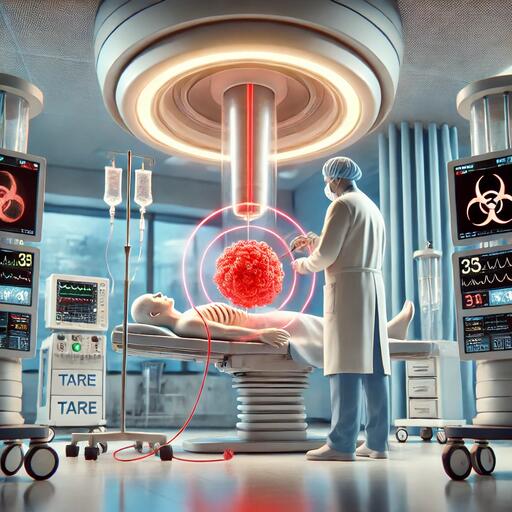
Patients may need to follow specific dietary restrictions or stop certain medications before the procedure. It is also common to undergo a mapping angiogram to evaluate blood flow to the liver and ensure the radioactive beads are delivered accurately. Proper preparation can significantly enhance the success of the treatment.
- Complete all prescribed diagnostic tests.
- Discuss medical history with your doctor.
- Follow pre-procedure dietary and medication guidelines.
Long-Term Effects and Monitoring After TARE
Post-TARE therapy, patients may experience mild side effects such as fatigue, nausea, or abdominal discomfort, which typically subside within a few weeks. Long-term monitoring is crucial to evaluate the therapy's effectiveness and detect any potential complications. Regular follow-ups with imaging scans and blood tests are part of the aftercare plan.
In some cases, patients may require additional treatments or supportive care to manage liver function and overall health. The therapy can provide significant tumor control, but ongoing monitoring ensures timely intervention if new issues arise. Staying in touch with your healthcare team is vital for long-term success.
- Schedule regular imaging scans to track progress.
- Report any persistent side effects to your doctor.
- Maintain a healthy lifestyle to support recovery.
Insurance and Financial Assistance for TARE Therapy
TARE therapy can be expensive, with costs in India typically ranging from ₹8,60,000–₹14,00,000 (≈ $9,000–$15,000 USD). Many health insurance plans in India cover part or all of the treatment costs, but it is essential to confirm coverage with your provider. Patients should also inquire about pre-authorization requirements to avoid unexpected expenses.
For those without insurance or facing financial challenges, several hospitals and NGOs offer financial assistance programs. Some institutions also provide payment plans to make the treatment more accessible. Exploring these options early can help ease the financial burden of the procedure.
- Check insurance coverage for TARE therapy.
- Explore hospital-based financial aid programs.
- Consider payment plans if needed.
Patient Stories and Testimonials About TARE Therapy
Many patients who have undergone TARE therapy report positive outcomes, including improved quality of life and better tumor control. For instance, a 55-year-old patient with liver cancer shared how the therapy helped reduce tumor size significantly, allowing them to resume daily activities with minimal discomfort.
Another patient highlighted the compassionate care they received during the treatment process, which eased their anxiety. These stories underscore the potential benefits of TARE therapy and the importance of choosing experienced healthcare providers for optimal results.
- “I regained my energy and confidence post-treatment.”
- “The hospital staff made the entire process seamless.”
- “TARE therapy gave me a second chance at life.”
Common Misconceptions About TARE Therapy
Radioembolization, or TARE therapy, is often misunderstood as a painful or invasive procedure. In reality, it is a minimally invasive treatment that delivers radiation directly to liver tumors through the bloodstream, causing minimal discomfort. Many also assume it is a last-resort option, but it can be part of a planned treatment strategy for liver cancer, depending on the patient's condition and medical advice.
Discover the Best Oncologists and Cancer Hospitals in India
When it comes to cancer treatment, finding the right specialist and hospital can make a significant difference in the outcome. In this blog, we have compiled a list of the top oncologists and cancer hospitals across major cities in India, ensuring that you have access to the best care available.
Top Oncologists in Major Cities
For those seeking expert oncologists, we have identified the best specialists in key cities:
Leading Cancer Hospitals
In addition to finding the right specialist, choosing the right hospital is crucial for comprehensive cancer care. Here are the top hospitals in major cities:
Get more indepth information on Cancer treatments and their costs
Conclusion
Finding the right oncologist and hospital is the first step in your cancer treatment journey. Explore the links above to learn more about the top specialists and hospitals in your area.
Planning Radioembolization (TARE) Therapy in India?
Share your reports and our care team will come back with suitable
hospitals, indicative costs and an outline treatment plan. No cost, no obligation.
Explore top hospitals offering Radioembolization (TARE) Therapy in India, its treatment costs, and its effectiveness in managing liver cancer. Radioembolization (tare) Therapy Cost in India