Microvascular Decompression (MVD) surgery in India is a specialized procedure often used to treat conditions like trigeminal neuralgia. The cost generally ranges between ₹3,50,000 and ₹6,00,000, depending on factors such as the hospital, surgeon's expertise, and location. This price typically includes hospital stay, surgical fees, and basic post-operative care, but additional charges may apply for diagnostic tests or extended recovery needs. Patients benefit from India's advanced medical facilities and skilled neurosurgeons, making it a preferred destination for this procedure.
Medical disclaimer: This content is for general awareness and does not replace a doctor’s consultation. For diagnosis or treatment decisions, consult a qualified specialist.
At a Glance: Key Takeaways About MVD Surgery Costs
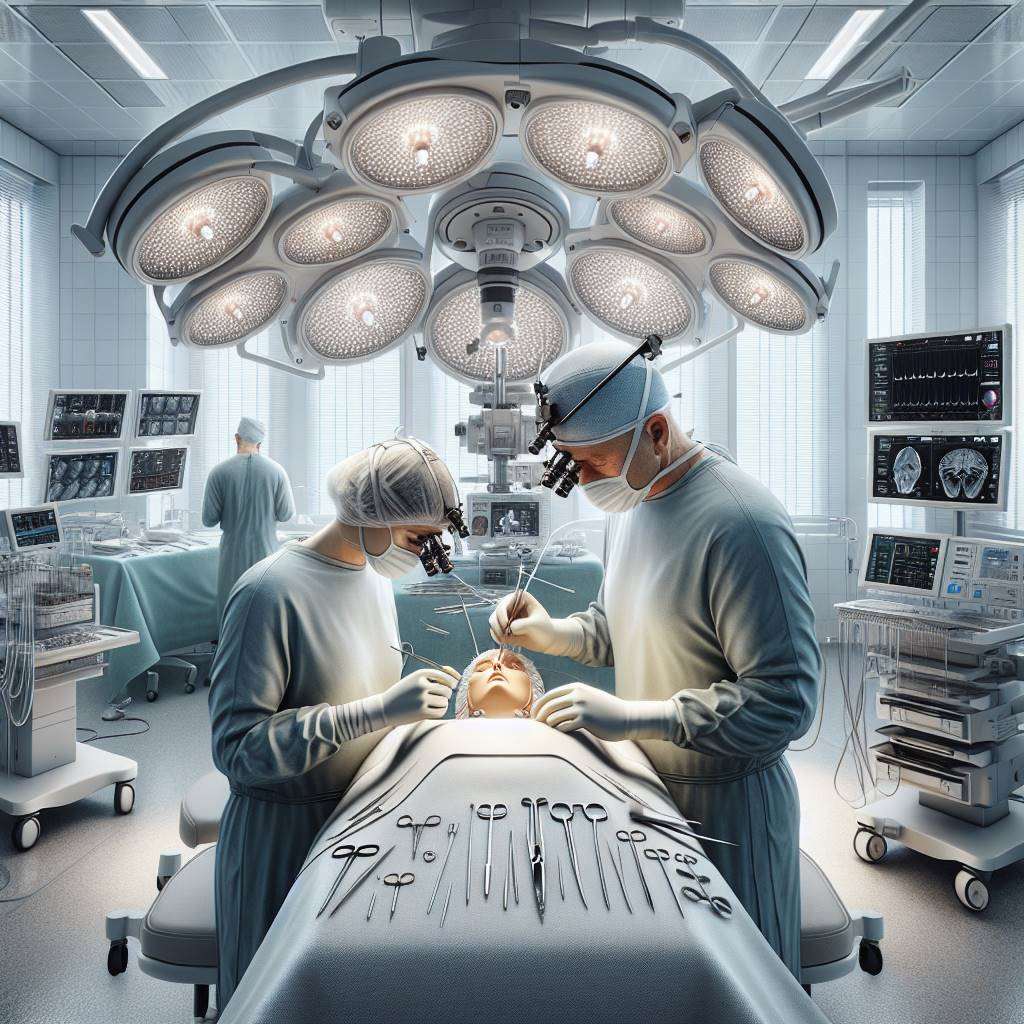
Microvascular decompression (MVD) surgery is a specialized procedure to relieve nerve compression, often used for conditions like trigeminal neuralgia. In India, the cost is significantly lower compared to Western countries, typically ranging from ₹1,80,000–₹3,60,000 (≈ $2,150–$4,350 USD), depending on factors like hospital and surgeon expertise.
- Choose India for affordable, high-quality care.
- Choose top-tier hospitals for advanced facilities.
- Consider surgeon experience for better outcomes.
- Factor in travel and post-surgery costs.
- Discuss risks and recovery with your doctor.
Costs & Factors: Typical Ranges
What Influences the Cost of MVD Surgery?
The cost of MVD surgery in India depends on several factors. The hospital's location and reputation play a major role, with metropolitan hospitals generally charging more. The surgeon's expertise and experience also impact the price. Additional factors include the complexity of the procedure, the type of diagnostic tests required, and the duration of hospital stay.
Average Price Range Across India
In India, the cost of MVD surgery typically ranges from ₹1,80,000 to ₹3,60,000 (≈ $2,150–$4,350 USD). This variation depends on whether the surgery is performed in a government hospital, private hospital, or a premium facility. While government hospitals offer lower costs, private hospitals provide advanced care and shorter waiting times.
Hidden or Additional Costs to Consider
Patients should be aware of potential additional costs beyond the surgery itself. These may include pre-surgery diagnostic tests, post-operative medications, follow-up consultations, and rehabilitation therapies. Travel and accommodation expenses for out-of-town patients can also add to the overall cost. Always discuss a detailed cost breakdown with your healthcare provider.
How It Works: Steps & Workflow
MVD surgery involves a precise and carefully planned workflow. First, the patient undergoes diagnostic imaging, such as an MRI, to identify the nerve compression. During the surgery, the surgeon makes a small incision behind the ear and uses advanced tools to relieve the pressure on the affected nerve by placing a tiny cushion between the nerve and the blood vessel causing compression.
The procedure is performed under general anesthesia and typically lasts 2–3 hours. Post-surgery, patients are monitored in the hospital for 2–5 days to ensure proper recovery. This minimally invasive approach aims to provide long-term relief from nerve pain while preserving nerve function.
- Step 1: Diagnostic imaging and evaluation.
- Step 2: Surgical preparation and anesthesia.
- Step 3: Nerve decompression procedure.
- Step 4: Post-operative monitoring and care.
- Step 5: Follow-up consultations for recovery.
Benefits & Risks: What to Expect
Key Benefits of MVD Surgery
MVD surgery offers significant benefits for patients suffering from nerve compression-related conditions like trigeminal neuralgia. It provides long-term relief from chronic pain without causing nerve damage. Unlike other treatments, MVD surgery directly addresses the root cause of the problem, often eliminating the need for ongoing medications. Many patients experience improved quality of life and a return to normal activities.
Potential Risks and Complications
While MVD surgery is generally safe, it carries some risks, as with any surgical procedure. Potential complications include infection, bleeding, or cerebrospinal fluid leakage. Rarely, patients may experience hearing loss or facial weakness. Discussing these risks with your surgeon and following post-operative care instructions can help minimize complications and ensure a smoother recovery.
Timeline & Aftercare: First 4–12 Weeks
Recovery after microvascular decompression (MVD) surgery typically spans 4–12 weeks. During the initial weeks, patients may experience mild discomfort or fatigue, which gradually improves. Adhering to prescribed medications and avoiding strenuous activities is crucial for optimal healing.
By the 6th to 8th week, most individuals notice significant improvement in symptoms and can resume light activities. Regular follow-ups with your surgeon ensure that recovery is on track and any complications are addressed promptly.
- Rest adequately during the first 2 weeks.
- Avoid heavy lifting or bending for 6 weeks.
- Report any persistent headaches or dizziness to your doctor.
Alternatives & When They Fit Better
Non-Surgical Options for Trigeminal Neuralgia
Non-surgical treatments for trigeminal neuralgia include medications like carbamazepine or gabapentin, which help manage nerve pain. These options are often the first line of treatment and work well for patients with mild to moderate symptoms. However, they may cause side effects such as drowsiness or dizziness.
Other alternatives include nerve blocks or radiofrequency ablation, which provide temporary relief by targeting the affected nerve. These methods are less invasive but may need to be repeated periodically for sustained results.
When to Consider Other Surgical Procedures
Other surgical options, such as gamma knife radiosurgery or percutaneous rhizotomy, may be suitable for patients who cannot undergo MVD due to health conditions. These procedures are minimally invasive and involve less recovery time but may not offer the same long-term relief as MVD.
Patients with recurrent symptoms after MVD or those with atypical facial pain may also benefit from exploring these alternatives. Discussing your medical history with a specialist can help determine the best course of action.
Who It’s For: Eligibility & When to Choose It
MVD surgery is typically recommended for patients with severe trigeminal neuralgia who have not responded to medications or other non-invasive treatments. It is most effective for individuals with clear nerve compression identified through imaging tests like MRI.
Ideal candidates are generally in good overall health and able to tolerate general anesthesia. This procedure may not be suitable for elderly patients with significant comorbidities or those with atypical facial pain, as outcomes can vary in such cases.
- Choose MVD if nerve compression is confirmed via imaging.
- Opt for this surgery when medications fail to control symptoms.
- Avoid MVD if you have severe health risks or atypical pain.
Key Differences: Side-by-Side
Who Is a Good Fit?
MVD is ideal for younger, healthy patients with confirmed nerve compression causing trigeminal neuralgia. In contrast, minimally invasive options like gamma knife radiosurgery may suit older patients or those with higher surgical risks.
Cost & Ongoing Needs
The cost of MVD surgery in India ranges from ₹1,80,000–₹3,60,000 (≈ $2,150–$4,350 USD), including hospital stay and surgeon fees. Non-surgical options are generally less expensive but may require repeated sessions, increasing long-term costs.
Risks & Trade-offs
MVD offers long-lasting relief but carries risks like infection or cerebrospinal fluid leakage. Minimally invasive methods have fewer immediate risks but may not provide permanent results, requiring additional treatments over time.
| Dimension |
MVD Surgery |
Minimally Invasive Options |
| Candidacy |
Healthy, younger patients |
Older or high-risk patients |
| Durability |
Long-lasting relief |
Temporary relief |
| Medications |
Often reduced post-surgery |
May still be required |
| Recovery Time |
4–12 weeks |
1–2 weeks |
| Risks |
Infection, CSF leakage |
Minimal risks |
| Cost |
₹1,80,000–₹3,60,000 |
Lower upfront cost |
Latest Updates & What’s Changing
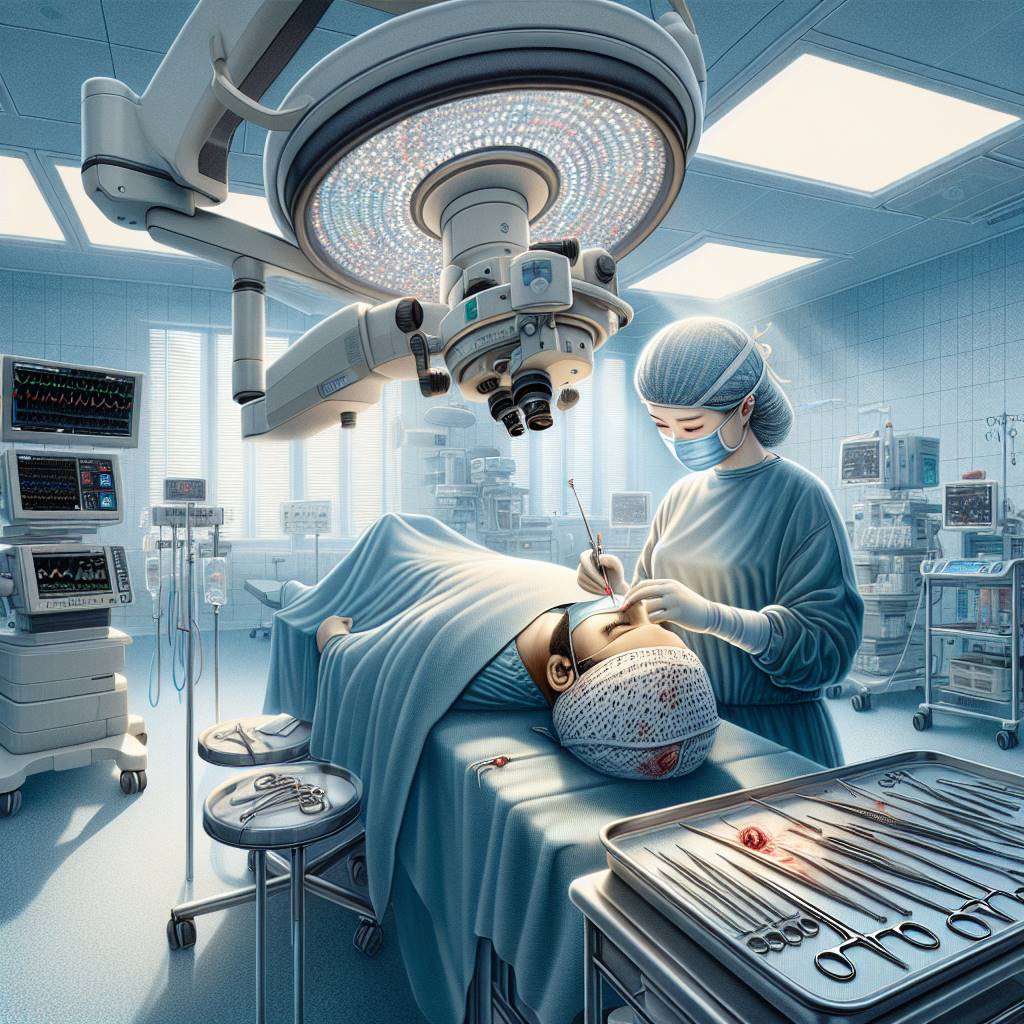
Microvascular decompression (MVD) surgery has seen advancements in surgical techniques and tools, improving its safety and success rates. The use of high-resolution imaging and minimally invasive approaches has reduced complications and recovery time for patients.
- Enhanced imaging for precise nerve identification
- Minimally invasive techniques reducing tissue damage
- Improved post-operative care protocols
- Higher success rates in pain relief
- Shorter hospital stays for patients
How to Choose the Right Provider
Choosing the right provider for MVD surgery involves evaluating their expertise, hospital facilities, and patient outcomes. Look for a neurosurgeon with extensive experience in cranial nerve surgeries and a track record of successful procedures.
- Verify the surgeon’s specialization in MVD procedures
- Check hospital accreditation and advanced surgical equipment
- Review patient testimonials and success rates
- Ensure comprehensive pre- and post-operative care
- Consider proximity and ease of follow-up visits
Top 5 Factors to Consider Before Surgery
Before undergoing MVD surgery, it’s essential to evaluate your overall health, the surgeon’s expertise, and the potential risks. Understanding the procedure and setting realistic expectations can help you make an informed decision.
- Your overall health and suitability for surgery
- Experience and credentials of the neurosurgeon
- Hospital facilities and post-operative care
- Potential risks and complications
- Expected recovery time and lifestyle adjustments
Frequently Asked Questions About Microvascular Decompression (mvd) Surgery Cost in India
What is the typical cost of MVD surgery in India?
The cost of Microvascular Decompression (MVD) surgery in India typically ranges from ₹2,50,000 to ₹5,00,000. The exact amount depends on factors like the hospital, surgeon's expertise, and the complexity of the procedure. This makes India a more affordable option compared to many other countries for this surgery.
Does insurance cover MVD surgery in India?
Yes, many health insurance policies in India cover MVD surgery, but it depends on your specific plan. It is important to check with your insurer about coverage details, including pre-authorization requirements and any exclusions, to avoid unexpected expenses.
How do hospital facilities impact the cost?
The cost of MVD surgery can vary significantly based on the hospital's facilities. Premium hospitals with advanced technology and private rooms may charge more, while smaller or government hospitals may offer lower rates. Choose a facility that balances quality and affordability.
Are there financing options for MVD surgery?
Yes, many hospitals and financial institutions in India offer financing options for MVD surgery. These may include medical loans, EMI plans, or payment through health cards, making the procedure more accessible for patients with financial constraints.
What factors affect recovery costs post-surgery?
Recovery costs after MVD surgery depend on factors like hospital stay duration, medications, follow-up visits, and physiotherapy. Choosing a hospital with comprehensive post-operative care can help manage these expenses effectively.
How do surgeon qualifications influence pricing?
Surgeons with higher qualifications and extensive experience often charge more for MVD surgery. Their expertise can improve outcomes and reduce risks, making it a worthwhile investment for many patients.
What are the risks of choosing low-cost providers?
Opting for low-cost providers may increase the risk of complications due to inadequate facilities or less experienced surgeons. It is crucial to prioritize quality care over cost to ensure a safe and successful surgery.
Is MVD surgery cost-effective compared to alternatives?
MVD surgery is considered cost-effective for treating conditions like trigeminal neuralgia, as it offers long-term relief. While alternatives like medications or injections may be cheaper initially, they often require repeated treatments, increasing overall costs over time.
Discover the Best Neurosurgery Hospitals and Neurosurgeons in India
When it comes to brain and spine care, choosing the right hospital and specialist is essential. We�ve highlighted the top neurosurgery hospitals and neurosurgeons across India to ensure you receive the best care available.
Top Neurosurgery Hospitals in India
Find the leading centers for brain and spine care:
Best Neurosurgeons in India
Meet the top specialists in brain and spine surgery:
Get more indepth information on Neurology treatments and their costs.
Conclusion
Your brain and spine health deserve the best care. Explore the links above to learn more about the top neurosurgery hospitals and neurosurgeons in India.
Microvascular decompression in India: how MVD relieves trigeminal neuralgia and hemifacial spasm, which centres perform it, and recovery expectations. Microvascular Decompression (MVD) Surgery in India
Discover what to expect during recovery after Microvascular Decompression (MVD) surgery. From managing post-surgery pain to long-term recovery, get insights into post-operative care, potential complications, and the timeline for resuming normal activities. Learn about essential tips for a smooth recovery. What to Expect During Recovery After Microvascular Decompression Surgery
Explore the potential risks and complications associated with Microvascular Decompression (MVD) surgery. Are There Risks with MVD Surgery? Understanding the Potential Complications
Planning Microvascular Decompression (mvd) Surgery in India?
Share your reports and our care team will come back with suitable
hospitals, indicative costs and an outline treatment plan. No cost, no obligation.