The cost of aneurysm repair surgery in India typically ranges between ₹5,80,000 and ₹12,00,000. This variation depends on factors such as the type of procedure (open surgery or endovascular repair), the hospital's location, and the surgeon's expertise. Recovery time usually spans 4 to 6 weeks, though it may vary based on individual health conditions. Patients often choose India for its advanced medical facilities and cost-effective treatment options.
Medical disclaimer: This content is for general awareness and does not replace a doctor’s consultation. For diagnosis or treatment decisions, consult a qualified specialist.
How these prices were compiled: the ranges on this page are all-inclusive package estimates for international patients at accredited private hospitals in India, compiled in September 2026 from published hospital and facilitator price lists and converted at about ₹96 to the US dollar. Indian residents are usually quoted lower domestic tariffs. Your final cost is confirmed only after a specialist reviews your medical reports.
At a Glance: Key Takeaways About Aneurysm Repair Surgery Cost
Aneurysm repair surgery in India is a cost-effective option compared to many other countries. The cost typically ranges from ₹5,80,000–₹12,00,000 (≈ $6,000–$13,000 USD), depending on factors like hospital location and procedure type.
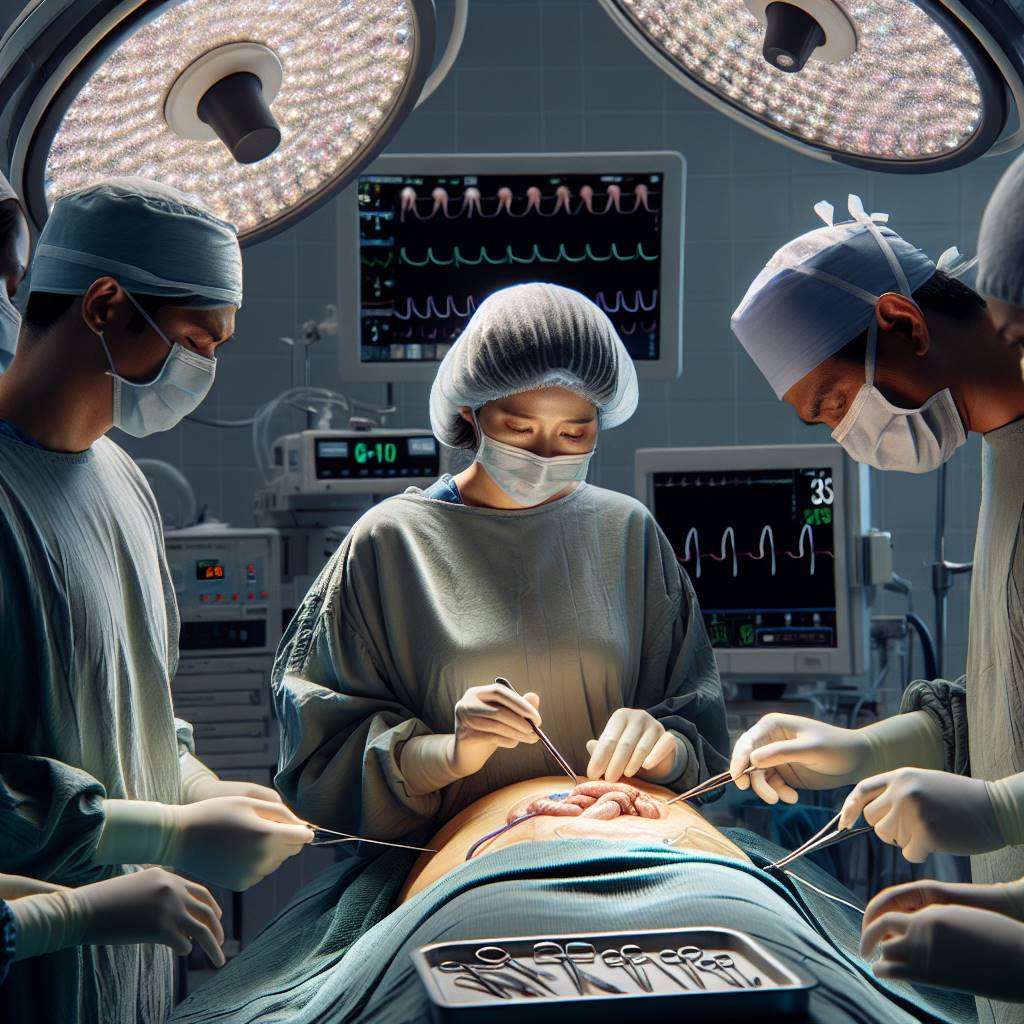
- Choose open surgery for larger or complex aneurysms.
- Choose endovascular repair for minimally invasive needs.
- Costs vary by city and hospital tier.
- Additional expenses may include diagnostics and follow-ups.
- Recovery time depends on the procedure type.
Costs & Factors: Typical Ranges in India
What Influences the Surgery Cost?
The cost of aneurysm repair surgery in India depends on several factors, including the type of procedure (open surgery or endovascular repair), hospital location, and surgeon expertise. Advanced facilities and experienced surgeons may charge higher fees, but they often provide better outcomes. Additionally, the complexity of the aneurysm and the need for specialized equipment can increase costs.
Average Price Range Across Cities
In metropolitan cities like Delhi, Mumbai, and Bangalore, the cost for aneurysm repair surgery typically ranges from ₹7,50,000 to ₹12,00,000. In smaller cities, the cost may be lower, ranging from ₹5,80,000 to ₹11,00,000. However, patients should consider travel and accommodation expenses if opting for treatment in another city.
Additional Expenses to Consider
Beyond the surgery itself, patients should budget for pre-surgery diagnostics, such as CT scans or MRIs, which can cost ₹10,000–₹20,000. Post-surgery care, including medications and follow-up consultations, may add ₹20,000–₹50,000 to the total expense. Insurance coverage can significantly reduce out-of-pocket costs, so it’s advisable to check policy details beforehand.
How It Works: Steps & Workflow
Pre-Surgery Preparations
Before aneurysm repair surgery, patients undergo detailed diagnostic tests, such as angiograms or CT scans, to assess the aneurysm’s size and location. Doctors may advise stopping certain medications, like blood thinners, a few days before the procedure. Patients are also required to fast for 6–8 hours prior to surgery.
The Procedure: What Happens During Surgery?
During open surgery, the surgeon makes an incision to access the aneurysm and places a graft to reinforce the weakened artery. In endovascular repair, a catheter is inserted through a small incision, and a stent graft is guided to the aneurysm site. Both methods aim to restore normal blood flow and prevent rupture.
Post-Surgery Recovery Process
Recovery varies by procedure type. Open surgery may require a hospital stay of 7–10 days, while endovascular repair typically involves 2–3 days. Patients are advised to avoid heavy lifting and strenuous activities for 4–6 weeks. Regular follow-ups are crucial to monitor healing and ensure the graft is functioning properly.
Who It’s For: Eligibility & When to Choose It
Aneurysm repair surgery is recommended for individuals with large or rapidly growing aneurysms, as these pose a high risk of rupture. Patients with symptoms like severe headaches, chest pain, or difficulty breathing may also require immediate intervention. Endovascular repair is often suitable for older patients or those with underlying health conditions, as it is less invasive.
- Open surgery: Best for complex or large aneurysms.
- Endovascular repair: Ideal for minimally invasive needs.
- Emergency cases: Surgery is critical for ruptured aneurysms.
- Asymptomatic cases: Surgery may be elective for smaller aneurysms.
Benefits & Risks: What to Expect
Key Benefits of Aneurysm Repair Surgery
Aneurysm repair surgery can significantly reduce the risk of life-threatening complications, such as rupture or internal bleeding. It helps restore normal blood flow and prevents further damage to the affected artery. For many patients, this procedure improves overall quality of life by alleviating symptoms like pain or pressure caused by the aneurysm.

Potential Risks and Complications
While aneurysm repair surgery is generally safe, it carries some risks, including infection, bleeding, or blood clots. In rare cases, complications like kidney damage or issues related to anesthesia may occur. Patients with pre-existing conditions, such as diabetes or heart disease, may face a slightly higher risk of complications.
Timeline & Aftercare: First 4–12 Weeks
Recovery after aneurysm repair surgery typically spans 4–12 weeks, depending on the type of procedure and the patient’s overall health. During the first few weeks, patients may experience mild discomfort and fatigue, which gradually improve with rest and light activity. Follow-up appointments are crucial to monitor healing and ensure the graft or repair is functioning well.
Patients are advised to avoid heavy lifting and strenuous activities during this period. A balanced diet, proper hydration, and adherence to prescribed medications can support recovery. Physical therapy may also be recommended to regain strength and mobility.
- Attend all follow-up visits.
- Monitor for signs of infection or unusual symptoms.
- Gradually resume daily activities as advised by your doctor.
Alternatives & When They Fit Better
For some patients, less-invasive options like endovascular aneurysm repair (EVAR) may be more suitable. EVAR involves inserting a stent graft through a small incision, avoiding the need for open surgery. This option is typically recommended for patients with smaller aneurysms or those at higher surgical risk due to age or medical conditions.
However, EVAR may not be ideal for all cases, particularly when the aneurysm is in a location that is difficult to access with a stent. Open surgery remains the gold standard for larger or more complex aneurysms, offering long-term durability and effectiveness.
- Choose EVAR for smaller aneurysms or high-risk patients.
- Opt for open surgery for larger or complex aneurysms.
Key Differences: Side-by-Side Comparison
Who Is a Good Fit?
Open surgery is better suited for younger, healthier patients or those with large, complex aneurysms. Endovascular repair is often recommended for older patients or those with underlying health conditions, as it is less invasive and has a shorter recovery time.
Cost & Ongoing Needs
Surgical clipping typically costs ₹5,80,000–₹11,00,000 (≈ $6,000–$11,000 USD), while endovascular coiling usually ranges from ₹8,60,000–₹12,00,000 (≈ $9,000–$13,000 USD) because of the cost of platinum coils and stents; flow-diverter cases cost more. Coiled aneurysms need periodic follow-up imaging, which adds to long-term costs.
Risks & Trade-offs
Open surgery has a higher initial risk due to its invasive nature but offers long-term durability. EVAR has fewer immediate risks but may require additional procedures if the stent shifts or leaks over time.
| Dimension |
Open Surgery |
Endovascular Repair |
| Candidacy |
Healthy, younger patients |
Older, high-risk patients |
| Durability/Effectiveness |
Highly durable |
May require re-intervention |
| Medications/Anticoagulation |
Minimal post-surgery |
Regular monitoring needed |
| Recovery Time |
6–12 weeks |
2–4 weeks |
| Risks/Re-operation |
Higher initial risk |
Risk of stent migration |
| Cost |
₹5,80,000–₹11,00,000 |
₹8,60,000–₹12,00,000 |
How to Choose the Right Provider for Surgery
Choosing the right provider for aneurysm repair surgery is critical for a successful outcome. Look for hospitals with experienced vascular surgeons and advanced facilities for diagnostics and post-operative care. Accreditation by NABH or JCI indicates high-quality standards.

- Check surgeon’s expertise in aneurysm repair.
- Ensure the hospital has modern imaging technology.
- Read patient reviews for insights on care quality.
- Verify insurance tie-ups for cost coverage.
- Consider proximity for follow-up visits.
Latest Updates & What’s Changing in Treatment
Advancements in aneurysm repair now include minimally invasive techniques like endovascular aneurysm repair (EVAR), which reduces recovery time and risks. Innovations in imaging technology also allow for precise diagnosis and planning.
Additionally, newer graft materials and stents are enhancing the durability of repairs, while robotic-assisted surgeries are emerging as a promising option for complex cases. These developments aim to improve outcomes and patient safety.
- EVAR for reduced recovery time.
- Improved graft and stent materials.
- Robotic-assisted surgical options.
- Advanced imaging for better planning.
Top Factors Affecting Surgery Outcomes
Several factors influence the success of aneurysm repair surgery. The patient’s overall health, including conditions like diabetes or hypertension, plays a significant role. Early diagnosis and timely intervention are also critical for better outcomes.
Additionally, the expertise of the surgical team and the quality of post-operative care significantly impact recovery. Choosing a hospital with advanced facilities and a multidisciplinary team can further enhance success rates.
- Patient’s age and overall health.
- Timeliness of diagnosis and treatment.
- Surgeon’s experience and skill.
- Quality of post-operative care.
- Availability of advanced medical technology.
Frequently Asked Questions About Aneurysm Repair Surgery Cost in India
What is the average cost of aneurysm repair surgery in India?
The cost of aneurysm repair surgery in India typically ranges from ₹5,80,000–₹12,00,000 (≈ $6,000–$13,000 USD). The final amount depends on the type of procedure, hospital, and location.
Does insurance cover aneurysm repair surgery in India?
Yes, most health insurance policies in India cover aneurysm repair surgery. However, coverage may vary based on the insurer and policy terms. It’s advisable to confirm with your provider beforehand.
How long is the recovery period after surgery?
Recovery time varies by procedure. Open surgery may require 6–8 weeks, while minimally invasive options like EVAR typically allow recovery within 2–3 weeks. Follow your doctor’s advice for optimal healing.
What factors influence the cost of the surgery?
Key factors include the type of procedure (open or minimally invasive), hospital location, surgeon’s expertise, and additional services like ICU care or diagnostics. Private hospitals in metro cities may charge more.
Are there any risks associated with aneurysm repair surgery?
Risks may include bleeding, infection, or complications like graft leakage. Minimally invasive procedures generally have fewer risks compared to open surgery. Discuss potential risks with your surgeon.
What are the alternatives to aneurysm repair surgery?
For small or stable aneurysms, regular monitoring with imaging tests may be an alternative. Lifestyle changes and medications to control blood pressure can also help manage the condition without surgery.
How do I choose the best hospital for this procedure?
Look for hospitals with experienced vascular surgeons, advanced imaging facilities, and a strong track record in aneurysm repair. Accreditation by NABH or JCI is a good indicator of quality care.
What is the success rate of aneurysm repair surgery in India?
Outcomes after aneurysm repair differ substantially between a planned repair and one done after a rupture, and between clipping and endovascular coiling. Factors like patient health, timely intervention, and surgeon expertise contribute to these outcomes.
What is the average cost of aneurysm repair surgery in India?
The average cost of aneurysm repair surgery in India ranges from ₹5,80,000 to ₹12,00,000. The exact cost depends on factors like the type of procedure, hospital location, and the patient's overall health condition. This makes India a cost-effective option for high-quality medical care compared to many other countries.
Why is aneurysm repair surgery more affordable in India?
Aneurysm repair surgery is more affordable in India due to lower healthcare infrastructure costs and competitive pricing. Despite the lower cost, hospitals in India maintain high standards of care with skilled surgeons and advanced technology, making it a preferred destination for medical treatments.
Does insurance cover aneurysm repair surgery in India?
Yes, many health insurance plans in India cover aneurysm repair surgery. However, the extent of coverage depends on your specific policy, including terms, conditions, and waiting periods. It is important to check with your insurance provider to understand the details of your coverage.
What factors influence the cost of aneurysm repair surgery in India?
The cost of aneurysm repair surgery in India is influenced by factors such as the type of surgery (open or endovascular), hospital location, surgeon's expertise, and the patient's medical condition. Additional costs may include diagnostic tests, hospital stay, and post-surgery care.
How does the cost of aneurysm repair surgery in India compare to other countries?
The cost of aneurysm repair surgery in India is significantly lower compared to countries like the US, UK, or Australia. Despite the lower cost, Indian hospitals offer advanced medical facilities and experienced surgeons, making it a popular choice for international patients seeking affordable treatment.
Discover the Best Neurosurgery Hospitals and Neurosurgeons in India
When it comes to brain and spine care, choosing the right hospital and specialist is essential. We�ve highlighted the top neurosurgery hospitals and neurosurgeons across India to ensure you receive the best care available.
Top Neurosurgery Hospitals in India
Find the leading centers for brain and spine care:
Best Neurosurgeons in India
Meet the top specialists in brain and spine surgery:
Get more indepth information on Neurology treatments and their costs.
Conclusion
Your brain and spine health deserve the best care. Explore the links above to learn more about the top neurosurgery hospitals and neurosurgeons in India.
Discover non-surgical alternatives for aneurysm treatment, including medication management, lifestyle changes, and advanced imaging techniques for monitoring aneurysm growth and reducing risks. Exploring Non-Surgical Options for Aneurysm Treatment
Aneurysm repair surgery in India: clipping compared with endovascular coiling, how centres are chosen, and what recovery and follow-up imaging involve. Aneurysm Repair Surgery in India
Discover the success rates of aneurysm repair surgery in India. Learn how advanced surgical techniques, experienced surgeons, and specialized care contribute to favorable outcomes for patients undergoing aneurysm repair procedures. Evaluating the Success Rates of Aneurysm Repair Surgery in India
Planning Aneurysm Repair Surgery in India?
Share your reports and our care team will come back with suitable
hospitals, indicative costs and an outline treatment plan. No cost, no obligation.