Limb lengthening surgery in India typically costs ~₹5.8–12 lakh (≈ $6,000–12,000 USD), depending on factors such as hospital type and city tier. This advanced orthopedic procedure involves gradual bone extension and requires a recovery period of several months. Success rates are generally high when performed by experienced specialists, with most patients achieving their targeted height increase.
Medical disclaimer: This content is for general awareness and does not replace a doctor’s consultation. For diagnosis or treatment decisions, consult a qualified specialist.
About these prices: all-inclusive package estimates for international patients at accredited private hospitals, compiled in September 2026 from published hospital and facilitator price lists (about ₹96 per US dollar). Indian residents are usually quoted lower domestic tariffs; your final cost is confirmed after a specialist reviews your reports.
At a Glance: Key Takeaways for Limb Lengthening Surgery in India
Limb lengthening is a specialized orthopedic procedure that can help individuals with limb discrepancies or short stature. In India, this surgery is typically more affordable than in many other countries, but it requires careful patient selection and a lengthy recovery process.

- Choose surgery when non-surgical options fail or for significant limb difference.
- Choose India for cost savings and experienced orthopedic surgeons.
- Consider if you are healthy and have realistic expectations.
- Avoid if you have uncontrolled medical conditions or poor bone health.
- Expect a long recovery and need for physiotherapy post-surgery.
Limb Lengthening Surgery in India: Cost, Procedure, Recovery and Success Rate Cost
The typical cost of limb lengthening surgery in India ranges from ₹5,80,000–₹12,00,000 (≈ $6,000–$12,000 USD), depending on the city, hospital type, and complexity of the case. This estimate usually covers the surgical procedure, hospital stay, and basic post-operative care. Additional expenses may arise for physiotherapy, medications, or extended hospitalisation.
Private hospitals in metro cities such as Mumbai or Delhi may charge higher fees, while smaller cities or government hospitals can offer lower costs. For example, a procedure at a private hospital like Apollo Hospitals may be at the upper end of the range, while a government facility such as AIIMS New Delhi typically offers more affordable options. Always confirm the inclusions and exclusions in the quoted price before proceeding.
| Hospital Type |
Estimated Cost (INR) |
Estimated Cost (USD) |
| Private (Metro) |
₹7,20,000–₹12,00,000 |
$7,500–$12,000 |
| Private (Non-Metro) |
₹5,80,000–₹10,00,000 |
$6,000–$10,500 |
| Government |
Lower (limited international-patient services) |
— |
Explore a detailed breakdown of limb lengthening surgery cost in India by visiting our in-depth guide limb lengthening surgery cost in India.
Who Should Consider Limb Lengthening Surgery: Eligibility and Candidacy
Eligibility Criteria for Limb Lengthening Surgery in India
Patients considered for limb lengthening are typically adults or children with a significant limb length discrepancy (usually more than 2 cm) or those with conditions causing short stature. Candidates should be in good general health, have healthy bones, and be able to follow post-operative instructions. Psychological readiness and realistic expectations are also important for a successful outcome[c1].
Medical Conditions and Indications for Limb Lengthening
Limb lengthening is indicated for congenital limb deficiencies, post-traumatic bone loss, growth plate injuries, or certain genetic conditions like achondroplasia. It may also be considered for cosmetic height increase in select cases, but medical necessity is prioritized. The procedure can help restore function, improve gait, and enhance quality of life for those with significant limb differences[c2].
Contraindications and Factors Affecting Suitability
Contraindications include active infection, severe osteoporosis, uncontrolled diabetes, or poor vascular supply to the limb. Patients with psychological instability, unrealistic expectations, or inability to commit to rehabilitation may not be suitable. Smoking and certain medications can also negatively impact bone healing and overall surgical success[c1].
- Significant limb length difference >2 cm
- Healthy bone and soft tissue
- No active infection or severe chronic illness
- Commitment to long-term follow-up
Pre-Operative Evaluation and Preparation for Limb Lengthening Surgery
Essential Imaging and Laboratory Tests Before Surgery
Before limb lengthening, patients undergo X-rays to assess bone structure and measure discrepancies. Advanced imaging like CT scans may be used for complex cases. Blood tests check for anemia, infection, and overall health. Additional tests such as ECG or chest X-ray may be required for older adults or those with underlying medical conditions.
Physical and Psychological Assessment for Patients
A thorough physical examination evaluates joint mobility, muscle strength, and skin condition. Psychological assessment ensures the patient understands the process, risks, and commitment needed for recovery. Support from family and a positive mindset can improve outcomes and help patients cope with the lengthy rehabilitation[c2].
- X-rays and CT scans for bone assessment
- Blood tests for infection and general health
- ECG/chest X-ray for select patients
- Physical and psychological readiness evaluation
Limb Lengthening Surgery Procedure: Options and Techniques Used in India
Overview of Surgical Techniques: External vs Internal Devices
Limb lengthening procedures in India typically use either external fixators or internal devices. External fixators, such as the Ilizarov frame, are attached outside the limb and gradually adjusted to encourage bone growth. Internal devices, like motorized intramedullary nails, are implanted inside the bone and lengthen the limb with less visible hardware. The choice between these techniques depends on the patient’s age, bone condition, and specific lengthening goals[c4].
External devices may be more suitable for complex deformities, while internal devices often offer greater comfort and a lower risk of pin-site infections. However, internal methods can be costlier and may not be appropriate for all patients. Both approaches require careful monitoring by orthopedic specialists throughout the process.
- External fixators: visible frames, gradual adjustments
- Internal nails: hidden inside bone, motorized lengthening
- Choice depends on patient needs and bone health
Step-by-Step Process of Limb Lengthening Surgery
The procedure begins with a surgical cut (osteotomy) to separate the bone, followed by the placement of the chosen device. After a short healing period, the device is adjusted daily to slowly increase the gap between bone segments, allowing new bone to form in the space. This phase, called distraction, typically lasts several weeks, depending on the desired length gain.
Once the target length is reached, the bone enters the consolidation phase, where it hardens and strengthens. Regular X-rays and clinic visits are needed to monitor progress. The device remains in place until the bone is fully healed, after which it is removed in a minor procedure or, in the case of internal nails, may be left in place if safe.
- Osteotomy (bone cut) and device placement
- Distraction phase: gradual lengthening
- Consolidation: bone hardening and healing
Duration of Surgery and Hospital Stay Expectations
The initial limb lengthening surgery usually takes between 2 to 4 hours, depending on the technique and complexity. Most patients can expect a hospital stay of 3 to 7 days for post-operative monitoring and pain control. Early physiotherapy often begins during this period to maintain joint mobility and prevent stiffness.
After discharge, patients continue the lengthening process at home or in outpatient settings, with regular follow-ups. The total time from surgery to device removal can range from several months to a year, depending on the amount of lengthening required and individual healing rates[c1].
| Phase | Typical Duration | Setting |
|---|
| Surgery | 2–4 hours | Hospital |
| Hospital Stay | 3–7 days | Hospital |
| Distraction | 6–12 weeks | Home/Outpatient |
| Consolidation | 3–6 months | Home/Outpatient |
Risks and Potential Complications of Limb Lengthening Surgery
Limb lengthening is a complex procedure that carries certain risks. The most common complications include infection at pin or wire sites, delayed bone healing, and joint stiffness. Nerve or blood vessel injury, although rare, can occur during surgery or the lengthening process. Some patients may also experience muscle contractures or uneven bone growth, which can require additional interventions.
Serious complications such as deep infection, bone non-union, or device failure are less frequent but may prolong recovery or necessitate further surgery. Early detection and prompt management of these issues are crucial for a successful outcome. Regular follow-up with the surgical team helps minimize risks and address any concerns quickly[c6].
- Pin-site infection
- Delayed bone healing
- Joint stiffness or contractures
- Nerve or vessel injury
- Device-related problems
Pain Management and Post-Operative Care After Limb Lengthening Surgery
Pain Control Strategies and Medications Used
Pain after limb lengthening surgery is managed using a combination of medications and non-drug approaches. Doctors may prescribe oral painkillers such as paracetamol, nonsteroidal anti-inflammatory drugs (NSAIDs), or, in some cases, short-term opioids for severe discomfort. Nerve blocks or local anesthetic infusions can also be used immediately after surgery to reduce pain intensity.
Non-pharmacological methods, including ice packs, limb elevation, and relaxation techniques, can further help control pain. Early movement and physiotherapy are encouraged to prevent stiffness and support recovery. The pain typically decreases as healing progresses and the body adapts to the lengthening process.
- Paracetamol and NSAIDs for mild pain
- Short-term opioids for severe pain
- Local anesthesia or nerve blocks post-surgery
Wound Care and Infection Prevention Measures
Proper wound care is essential to prevent infection after limb lengthening. Pin or wire sites should be cleaned daily with antiseptic solutions as advised by the healthcare team. Dressings must be changed regularly, and any signs of redness, swelling, or discharge should be reported immediately. Good hand hygiene is crucial during all wound care activities.
Patients are taught to recognize early symptoms of infection and are given instructions for home care before discharge. In some cases, antibiotics may be prescribed as a preventive measure. Regular follow-up visits allow the surgical team to monitor healing and address any complications promptly.
- Daily cleaning of pin/wire sites
- Regular dressing changes
- Prompt reporting of infection signs
Physical Therapy and Rehabilitation Process Following Limb Lengthening
Role of Physiotherapy in Recovery and Mobility
Physiotherapy plays a vital role in recovery after limb lengthening. Regular sessions help maintain joint flexibility, strengthen muscles, and improve walking ability. Therapists design individualized exercise programs to address each patient’s needs, aiming to prevent stiffness and muscle weakness during the lengthening process[c1].
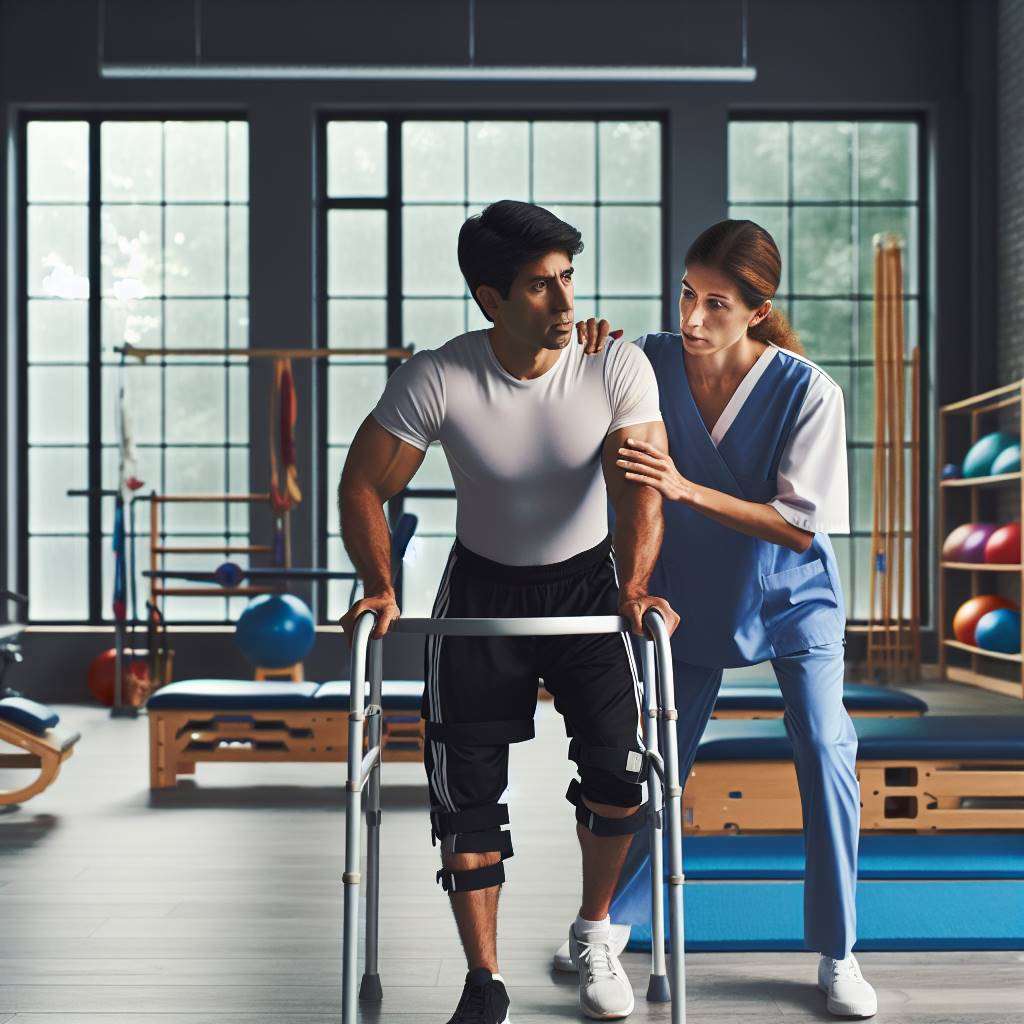
Early mobilization, often with assistive devices like crutches or walkers, is encouraged to promote circulation and reduce the risk of blood clots. Consistent physiotherapy can significantly enhance functional outcomes and support a smoother transition back to daily activities.
- Maintains joint movement
- Strengthens muscles
- Improves walking and balance
Timeline for Regaining Strength and Function
The timeline for regaining strength and function after limb lengthening varies by individual and the amount of lengthening achieved. Most patients begin gentle exercises within days of surgery and continue physiotherapy throughout the distraction and consolidation phases. Noticeable improvements in mobility are often seen within a few weeks, but full recovery may take several months.
By the end of the consolidation phase, many patients can walk independently and resume most daily activities. However, ongoing exercises may be needed to restore full strength and flexibility. Close follow-up with the rehabilitation team ensures steady progress and addresses any setbacks promptly.
| Phase | Typical Activities | Expected Progress |
|---|
| Early Post-op | Gentle movement, assisted walking | Prevent stiffness |
| Distraction | Active exercises, gradual weight bearing | Maintain mobility |
| Consolidation | Strength training, balance work | Regain function |
| Post-device removal | Advanced rehab, return to activities | Full recovery |
Expected Recovery Timeline and Milestones After Surgery
Recovery after limb lengthening surgery is a gradual process that typically spans several months. Most patients remain in the hospital for a few days post-surgery, followed by a period of close monitoring and physiotherapy. The bone is slowly lengthened over weeks using an external or internal device, and patients may need regular X-rays to track progress.
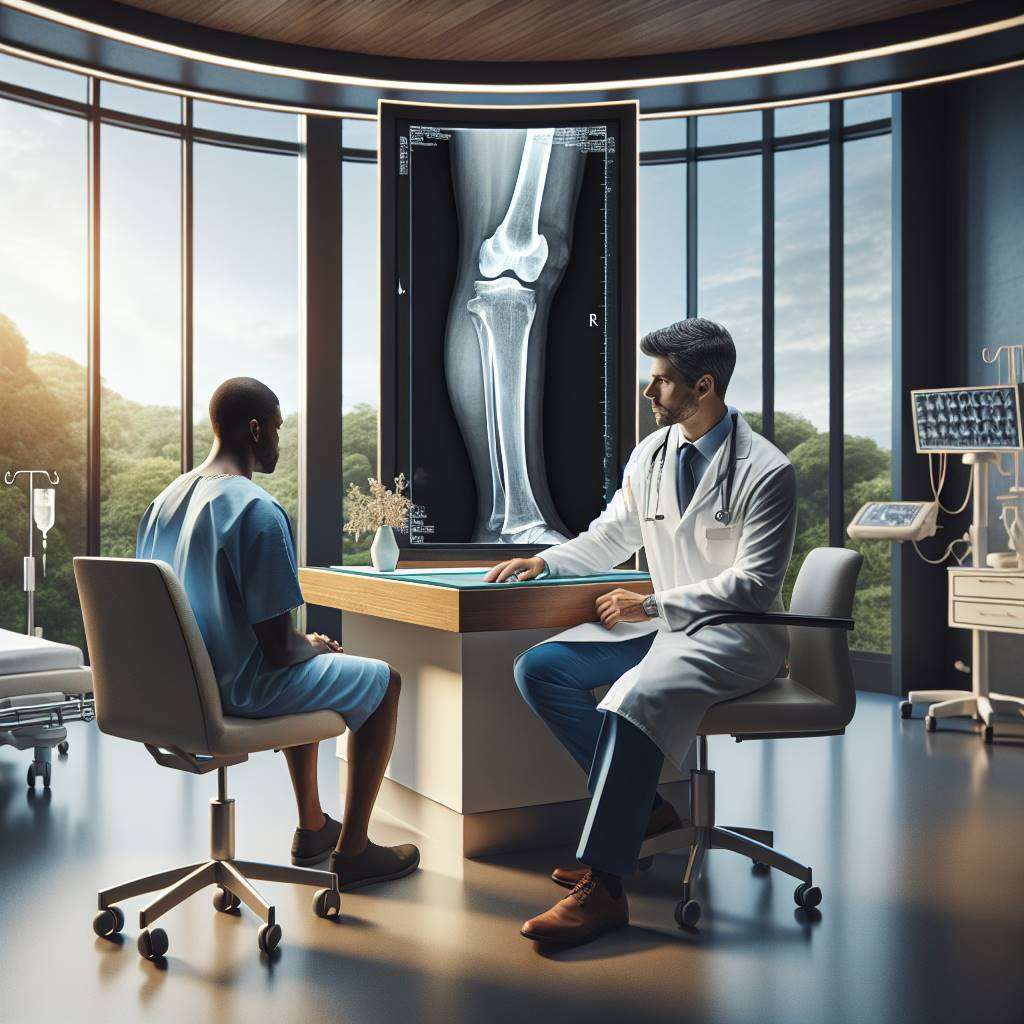
Full bone consolidation and return to normal activities can take 6–12 months, depending on the amount of lengthening and individual healing rates. Key milestones include initial wound healing, gradual bone distraction, and eventual device removal. Adherence to physiotherapy is crucial for regaining strength and mobility during this period[c9].
- Hospital stay: 3–7 days
- Bone distraction phase: 6–12 weeks
- Device removal: after bone healing (usually 6–12 months)
- Full mobility: 9–12 months post-surgery
Success Rates and Long-Term Outcomes of Limb Lengthening in India
Limb lengthening procedures in India generally report high success rates, with most patients achieving their targeted increase in limb length. Most cases result in satisfactory bone healing and functional improvement. Complications such as infection or joint stiffness may occur but are typically manageable with prompt care[c1].
Long-term outcomes are favorable for individuals who follow post-operative instructions and attend regular follow-ups. Many patients experience lasting improvements in limb alignment, walking ability, and overall function. However, some may require additional procedures or extended rehabilitation to address minor issues that arise during recovery.
| Outcome |
Typical Rate |
Notes |
| Bone Healing | Usually successful |
Majority achieve full union |
| Functional Gain | Improved for most |
Improved mobility |
| Complications | Uncommon |
Usually minor/manageable |
| Re-operation | Occasionally needed |
Rarely needed |
| Patient Satisfaction | High for most |
High for most |
Factors Influencing Surgical Outcomes and Durability of Results
Several factors can affect the success and long-term durability of limb lengthening results. Patient age, overall health, and the presence of underlying conditions such as diabetes or osteoporosis may influence bone healing. The experience of the surgical team and adherence to post-operative care also play a significant role in minimizing complications and ensuring optimal outcomes[c9].
Proper physiotherapy, nutrition, and regular follow-up visits are essential for maintaining the gains achieved through surgery. Smoking, poor compliance with rehabilitation, or premature weight-bearing can increase the risk of delayed healing or device-related issues. Long-term durability is typically excellent when patients follow medical advice and maintain a healthy lifestyle.
- Patient age and bone quality
- Underlying health conditions
- Surgical technique and expertise
- Adherence to physiotherapy
- Regular follow-up care
Quality of Life Improvements and Patient Satisfaction After Limb Lengthening
Many individuals report significant improvements in self-esteem, mobility, and daily functioning after undergoing limb lengthening. Enhanced limb symmetry and the ability to participate in activities previously limited by limb discrepancy contribute to higher satisfaction rates. Most patients feel that the benefits outweigh the challenges of the recovery process[c11].
Patient satisfaction is closely linked to realistic expectations, support from healthcare providers, and successful rehabilitation. While some may experience temporary discomfort or adjustment issues, the majority adapt well and enjoy a better quality of life in the long term. Emotional and psychological support can further enhance the overall experience.
- Improved self-confidence
- Better mobility and independence
- Ability to engage in sports or work
- Reduced pain or discomfort
- High satisfaction with cosmetic results
How to Choose the Right Hospital and Surgeon for Limb Lengthening in India
Choosing the right hospital and surgeon is crucial for a safe and successful limb lengthening experience. Look for facilities that are NABH-accredited and have a dedicated orthopedic department with experience in complex bone procedures. Surgeons should be board-certified, have specialized training in limb reconstruction, and be able to discuss both benefits and risks clearly.

Consider hospitals such as Apollo Hospitals and Kokilaben Dhirubhai Ambani Hospital as examples of centers that offer advanced orthopedic care. Evaluate the hospital’s infection control standards, rehabilitation services, and patient support systems. It is also important to review patient testimonials and ask about the surgeon’s complication rates and follow-up protocols.
- Check NABH accreditation status
- Review surgeon’s limb lengthening experience
- Ask about rehabilitation and aftercare
- Consider hospital’s infection control record
- Seek patient feedback and outcomes
Alternatives to Limb Lengthening Surgery: Non-Surgical and Surgical Options
For individuals who are not ideal candidates for limb lengthening surgery, several alternatives exist. Non-surgical options include shoe lifts or orthotic devices, which can help correct minor limb length discrepancies and improve walking comfort. These are typically recommended for differences less than 2 cm and carry minimal risk, but do not address the underlying bone length.
Surgical alternatives may involve bone shortening procedures or epiphysiodesis, which slows growth in the longer limb for children who are still growing. These methods are less invasive than full limb lengthening and may be suitable for select patients. However, they may not provide the same degree of correction or cosmetic improvement as lengthening procedures.
- Shoe lifts: For minor discrepancies, non-invasive
- Epiphysiodesis: For growing children, growth modulation
- Bone shortening: Surgical, for larger differences
- Physical therapy: Improves function, not length
Age and Gender Considerations in Limb Lengthening Surgery
Age plays a significant role in determining eligibility and outcomes for limb lengthening. Children and adolescents with open growth plates may have faster bone healing and better adaptability, but require careful monitoring to avoid growth disturbances. Adults can also undergo the procedure, though healing may be slower and the risk of complications slightly higher.
Gender does not typically affect the technical aspects of limb lengthening, but women may have unique concerns regarding bone density and cosmetic outcomes. Both men and women should have a thorough preoperative assessment to identify any underlying health issues that could impact recovery or bone healing.
| Factor |
Children/Adolescents |
Adults |
| Bone Healing |
Faster, more adaptable |
Slower, more cautious |
| Growth Plate Status |
Open, needs monitoring |
Closed, stable |
| Complication Risk |
Lower, if monitored |
Higher with age |
| Gender Concerns |
Minimal |
Bone density in women |
| Cosmetic Goals |
Growth correction |
Height/cosmetic focus |
Psychological Support and Counseling for Patients Undergoing Limb Lengthening
Limb lengthening is a physically and emotionally demanding process, so psychological support is essential throughout the journey. Patients may experience anxiety, frustration, or body image concerns during the lengthy recovery period. Access to counseling can help manage expectations, improve coping skills, and reduce the risk of depression or emotional distress.
Family involvement and peer support groups can also play a valuable role in recovery. Regular sessions with a psychologist or counselor familiar with orthopedic procedures may help patients set realistic goals and maintain motivation. Open communication with the care team ensures that emotional needs are addressed alongside physical healing.
- Pre-surgery counseling for expectation setting
- Ongoing support during recovery
- Peer groups for shared experiences
- Family involvement encouraged
Lifestyle Adjustments During and After Recovery from Limb Lengthening
After limb lengthening, patients must adapt their daily routines to support bone healing and maintain joint mobility. This often includes following a structured physical therapy plan, using assistive devices for walking, and making home modifications to prevent falls. Nutrition plays a key role; a diet rich in protein, calcium, and vitamin D can help promote bone growth and recovery.
Emotional well-being is also important, as the recovery process may be lengthy and sometimes challenging. Patients are encouraged to seek support from family, friends, or counseling services if needed. Adhering to medical advice and attending regular follow-up appointments can significantly improve outcomes and reduce the risk of complications.
- Follow prescribed physiotherapy exercises daily
- Use mobility aids as recommended
- Maintain a balanced, nutrient-rich diet
- Monitor for signs of infection or pain
- Attend all scheduled check-ups
Returning to Work and Physical Activities After Limb Lengthening
Resuming work and physical activities after limb lengthening depends on the individual’s healing progress and job demands. Most people can return to desk-based work within a few weeks, while physically demanding jobs may require a longer break. It is essential to follow the surgeon’s advice to avoid undue stress on the healing bone and prevent setbacks.

Gradual reintroduction of activities, such as walking, swimming, or cycling, is typically recommended. High-impact sports or heavy lifting should be avoided until the bone has fully consolidated, which can take several months. Regular physiotherapy and monitoring help ensure a safe and effective return to normal activities.
- Desk jobs: return in 2–6 weeks
- Manual work: may need 3–6 months
- Light exercise: start after medical clearance
- High-impact sports: only after full healing
Latest Advances and Trends in Limb Lengthening Surgery in India
Recent years have seen significant progress in limb lengthening techniques in India. Innovations such as motorized internal lengthening nails allow for more precise and less painful bone distraction, reducing the need for external frames. These devices can be adjusted externally using a remote control, offering greater comfort and fewer complications compared to traditional methods[c15].
Other trends include the use of computer-assisted planning and minimally invasive surgical approaches, which may decrease recovery time and improve alignment. Indian centers are increasingly adopting these technologies, making advanced limb reconstruction accessible to more patients seeking improved outcomes and shorter hospital stays.
| Advance |
Benefit |
Availability |
| Motorized nails |
Less pain, fewer infections |
Major Indian hospitals |
| Computer planning |
Better accuracy |
Specialized centers |
| Minimally invasive |
Smaller scars, faster recovery |
Growing adoption |
| Remote adjustments |
Convenient for patients |
Urban hospitals |
Preparing for Travel and Stay in India for Limb Lengthening Surgery
Planning for limb lengthening abroad requires careful preparation. Patients should consult with their chosen medical team in advance to understand the expected duration of stay, preoperative requirements, and necessary documentation. It is important to arrange for a companion, as mobility will be limited after surgery and assistance will be needed for daily activities.
Accommodation near the hospital is recommended for easy access to follow-up care. Many Indian hospitals offer international patient services to help with airport transfers, translators, and local logistics. Patients should also consider travel insurance that covers medical procedures and potential complications during their stay.
- Book accommodation close to the hospital
- Arrange for a support person
- Prepare medical and travel documents
- Check visa and insurance requirements
Frequently Asked Questions About Limb Lengthening Surgery in India
What is the typical duration of limb lengthening surgery recovery?
The recovery period after limb lengthening surgery usually takes 6 to 12 months. Most patients spend several weeks in the hospital, followed by months of physiotherapy and gradual bone healing. The exact time depends on the amount of lengthening, the technique used, and individual health factors.
Are there any permanent side effects or risks after limb lengthening?
Permanent side effects are rare, but risks include nerve or blood vessel injury, joint stiffness, and uneven bone growth. Most complications can be managed with proper care and follow-up. Choosing an experienced surgeon reduces the chance of long-term problems.
How much height can be safely gained with limb lengthening?
Generally, 5 to 8 centimeters of height can be safely achieved through limb lengthening. Attempting to gain more height increases the risk of complications. The safe amount depends on bone health, age, and the specific surgical method used.
Is limb lengthening surgery covered by insurance in India?
Limb lengthening surgery is usually not covered by insurance in India if done for cosmetic reasons. However, if the procedure is medically necessary, such as for correcting deformities, some insurance plans may provide partial coverage. It is important to check with your insurer beforehand.
What are the main differences between external and internal devices?
External devices are attached outside the limb and adjusted manually, while internal devices are implanted inside the bone and lengthen gradually. Internal devices are less visible and may offer more comfort, but both types require careful monitoring during recovery.
Can international patients undergo limb lengthening in India?
Yes, international patients can have limb lengthening surgery in India. Many hospitals offer specialized services for overseas patients, including visa assistance, language support, and post-surgery care. India is a popular destination due to skilled surgeons and affordable costs.
Orthopedic Care Resources in India
Explore trusted information on bone, joint, and spine care in India. Learn about common orthopedic conditions, treatment options, recovery guidance, and how to plan your care with confidence.
Start with our comprehensive Orthopedic Guide to understand procedures, costs, and care pathways for international and domestic patients.
Planning Limb Lengthening Surgery in India?
Share your reports and our care team will come back with suitable
hospitals, indicative costs and an outline treatment plan. No cost, no obligation.
Limb Lengthening Surgery Cost in India varies by city and hospital, with approximate charges ranging from ₹5.8–12 lakh (≈ $6,000–12,000 USD). Limb Lengthening Surgery Cost in India